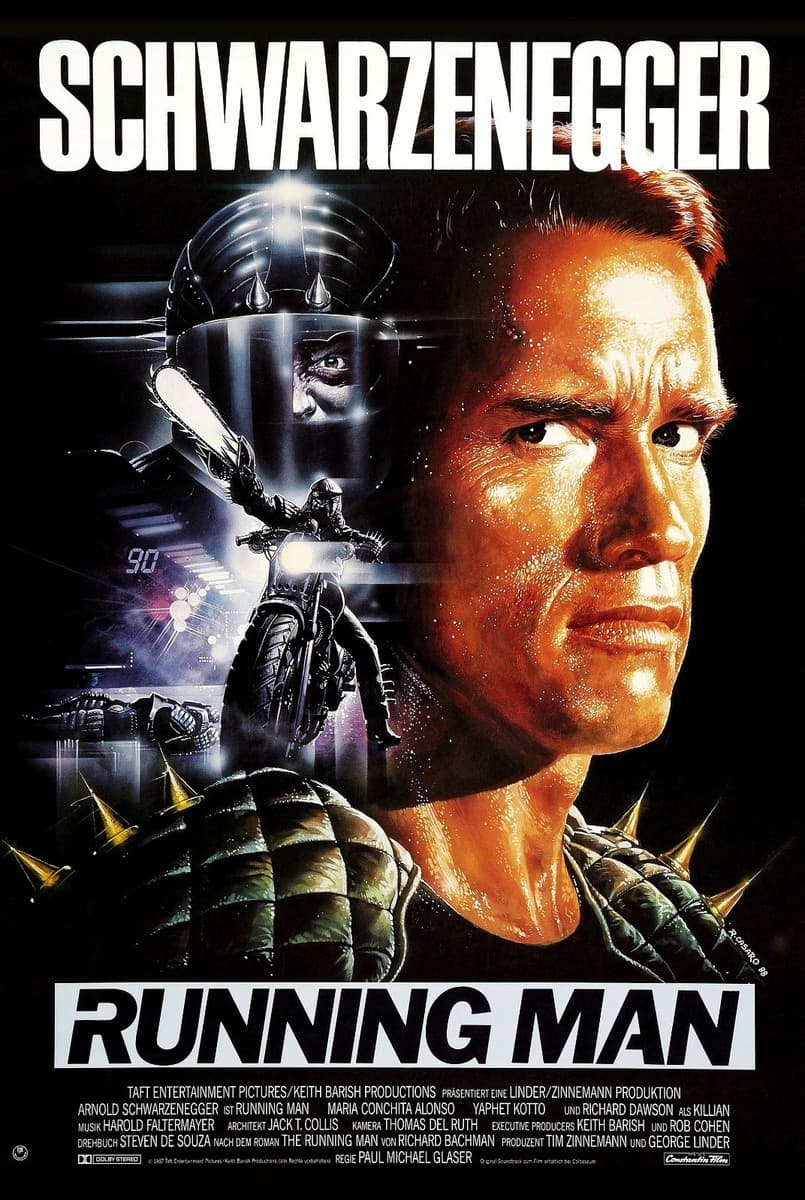
The setup
The Running Man is the kind of 1980s action movie that doubles as a nasty little think-piece about television and power. It straps Arnold Schwarzenegger into a near-future gladiatorial game and asks who we cheer for when the showrunners decide the truth is inconvenient.
THE MOVIE
Ben Richards is still the reason this movie works
Start with the obvious: this is a film about a country that has become a spectacle. On-screen it’s a near-future, totalitarian United States whose favourite pastime is a lethal game show — and that spectacle is the film’s motor, not just its backdrop.
What pulls you through the stunt sequences is a very small, stubborn thing: Ben Richards refusing an order. He’s a helicopter pilot who says no to firing on unarmed civilians during a food riot; that refusal gets him framed, arrested and shoved into the running machine. It’s a simple moral pivot, but it gives the film something to chase beyond explosions.
Paul Michael Glaser directed the finished movie and Arnold Schwarzenegger plays Richards, which means you get a tight, under-two-hour action movie that nevertheless keeps stopping to make a point about televised violence and manufactured consent. It’s not subtle — it doesn’t need to be — but it’s smart enough to keep the needle pointed at the television set.
THE SETUP
The idea that sets The Running Man in motion
The Running Man rests on a punchy, high-concept premise: a near-future economic collapse has produced a police state where the biggest show on television is deadly. The rules are blunt and televised cruelty is treated as entertainment.
Against that backdrop Ben Richards stands out because he refuses to be part of the machine. His career as a helicopter pilot collapses after he will not fire on unarmed rioters; being framed for that refusal is the engine that propels him into the game.
The movie keeps Stephen King’s central idea — a lethal televised contest — but strips and reshapes other parts of the novel. What you get on screen is less King’s particular tone and more a late-80s action thriller wearing a mask of satire.
That balance — straight-up action grafted onto a satire of television — is what makes the setup work: the world is recognisably brutal, the moral inciting incident is plain, and the game-show conceit gives the plot a series of staged dangers to move through without bogging the story down.
THE CHARACTER
Why Ben Richards matters
Ben Richards is memorable because he’s defined by a refusal rather than a catchphrase. His initial choice — to spare unarmed civilians — makes everything that follows feel like the fallout from one clear, ethical decision.
Once he’s framed, Richards’ urgency is practical: clear his name, protect friends, survive. Those are straightforward stakes and they keep the movie moving without pretending to be more complicated than it is.
Arnold Schwarzenegger carries the part in the sense that the casting locks the film into a certain late-80s action register, but the character itself is a useful counterpoint to the televised world around him: he’s not there to perform, he’s there to survive and to expose the lie.
That moral through-line — refusal, framing, the attempt to unmask a lie — is what makes Richards matter. He turns the spectacle back on the people running it, and the film needs that clear centre to give its satire any bite.
THE PERFORMANCE
Why Richard Dawson's performance matters
The game-show host Damon Killian is the film’s on-camera face of manufactured truth, and contemporary reviewers flagged Richard Dawson’s casting as an unusually fitting choice for that role.
Dawson brings a particular kind of familiarity — the kind you find in long-running TV personalities — which the film uses to its advantage: the host isn’t just a villain, he’s a figure the public already recognises and trusts.
That recognition makes Killian’s manipulation of images and ratings feel nastier; the host isn’t hiding behind the system, he’s the system’s smiling front. Contemporary critics noticed that, and flagged Dawson’s turn as a standout precisely because the casting feeds the satire.
So while the movie shoots and carves out set-piece fights, it keeps coming back to a host who embodies how easily media can reshape events — and contemporary commentary singled out Dawson for doing that work well within the film’s tone.
UNDER THE SURFACE
The Running Man has more on its mind than the plot suggests
On the surface it’s an action movie. Underneath, it’s busy mocking television and the way spectacle flattens truth. The show within the film turns violence into a product and the public into consumers — that’s the sharp edge.
The state plays along. The film places state propaganda and manufactured news images at the heart of the story, which makes the televised contest less a diversion and more an instrument of control.
There’s also a basic resistance-versus-authoritarianism story: Richards’ one human choice bumps up against a system that prefers spectacle to justice. It’s a simple conflict, but it keeps the stakes recognisable and immediate.
Finally, the movie toys with the idea that celebrity and commodified violence are interchangeable. The stalkers and the host are part of a market for entertainment that profits from brutality; the satire is blunt, occasionally ham-fisted, but it lands because the film never lets you forget who is selling the violence.
THE FILMMAKING
How The Running Man was put together
The film’s behind-the-scenes credits hint at how it was assembled: Thomas Del Ruth is the cinematographer, and the finished cut lists multiple editors. Those names matter because they point to a production that was stitched together from a lot of moving parts.
There was director turnover during shooting — the final film is credited to Paul Michael Glaser — and the editorial credits suggest a film shaped in the cutting room as much as on the set.
What you see on screen — a lean, roughly 100-minute action rhythm — reflects that production shape: a film that keeps its tempo, slices between set pieces and satire, and trusts the editing to make the spectacle readable.
In short, the filmmaking here is pragmatic. The crew assembled the usual late-80s action toolkit and then used editing to balance the satire with the action so the movie never stalls for philosophy when the chase is on.
PRACTICAL EFFECTS
The effects work that gives The Running Man its physical personality
One sequence the movie leans on is the rocket-sled launch. For that, the production built a very large half-scale miniature — a 260-foot tunnel — and shot it at six frames per second to generate the sense of a high-speed launch.
That miniature work was handled by a special-effects division credited on the film, which supplied the launch-through-tunnel footage that the camera shots required.
Away from miniatures, the film uses a roster of stunt performers for the arena-style battles between Richards and the themed stalkers. Those confrontations feel mechanical by design — the stalkers are set-piece opponents — and that’s partly a result of using practical stunt choreography.
All of this gives the movie a physical personality: there’s tangible craft behind the spectacle rather than everything being suggested off-camera. The practical approach keeps the fights and the launch sequence physically specific, which suits a film that trades on showmanship.
PURE 80S
The Running Man could not belong to any other decade
This movie is squarely a late-80s product: produced as an Arnold Schwarzenegger action vehicle and released in November 1987, it sits in a specific moment when star-driven genre films dominated the multiplex.
It also belongs to a mid/late-80s conversation about televised spectacle and corporatised violence — films like RoboCop shared that satirical thread, and those comparisons help place The Running Man culturally.
Contemporary press noticed the film’s engagement with television culture and the rise of spectacle-based programming; it wasn’t made in a vacuum, it was part of a broader set of questions the decade was asking about who controls information.
That combination — star-driven action plus media satire — is what roots the film in its decade. Lose the Schwarzenegger casting or the television obsession and you lose the film’s late-80s personality.
THE LEGACY
Why The Running Man still matters
The film is often described as a loose adaptation of Stephen King’s 1982 novel: it keeps the central idea of a lethal televised contest but alters tone and many plot particulars. That looseness is part of why the movie has remained talkable — it borrowed the germ of an idea and then turned it into a late-80s action statement.
It still turns up in genre retrospectives, usually for its media-satire and as part of Arnold Schwarzenegger’s stretch of 1980s action films. People point to it when discussing how Hollywood of the era packaged social critique inside star vehicles.
Paramount’s continued marking of the film with anniversary home-video releases, including 4K editions, shows the studio keeps it in circulation — not as a forgotten oddity, but as a title worth preserving in the catalogue.
So the legacy is simple: it’s remembered as a curious hybrid — part satire, part star vehicle — that sits comfortably in conversations about 1980s screen culture and televised spectacle.
THE VERDICT
Does The Running Man still hold up?
Yes — but with a rider. If you want a tight, late-80s action movie that knows how to mix spectacle with a pointed little political jab, The Running Man still does the job. It’s set in a near-future police state where the most popular show broadcasts a lethal contest across a vast urban ‘game zone’; that conceit still reads as a clever, simple satire of how media can weaponise images.
The film’s centre remains Ben Richards: his refusal to gun down civilians is the moral spark that gets him framed and then thrown into the contest. The stakes — survive three hours across game quadrants while themed stalkers hunt you — are clear and visceral, and they keep the story moving without pretending to be anything other than what it is.
Richard Dawson’s Damon Killian still functions as the public face of manufactured truth; contemporary reviewers singled out Dawson as an apt casting choice for that satirical role, and the film uses his character to show how ratings and edited footage can reshape reality.
So if you’re after modern subtlety, this isn’t the film. But if you want a brisk, R-rated action picture that also gives you a recognisably mean little satire about television, state propaganda and commodified violence — and includes Amber Mendez as a network composer with a key piece of knowledge that helps unmask the frame against Richards — it’s worth a watch. It’s an energetic late-80s curio that still has enough bite to sting.
Share this movie
Keep watching
More movies from the 80s
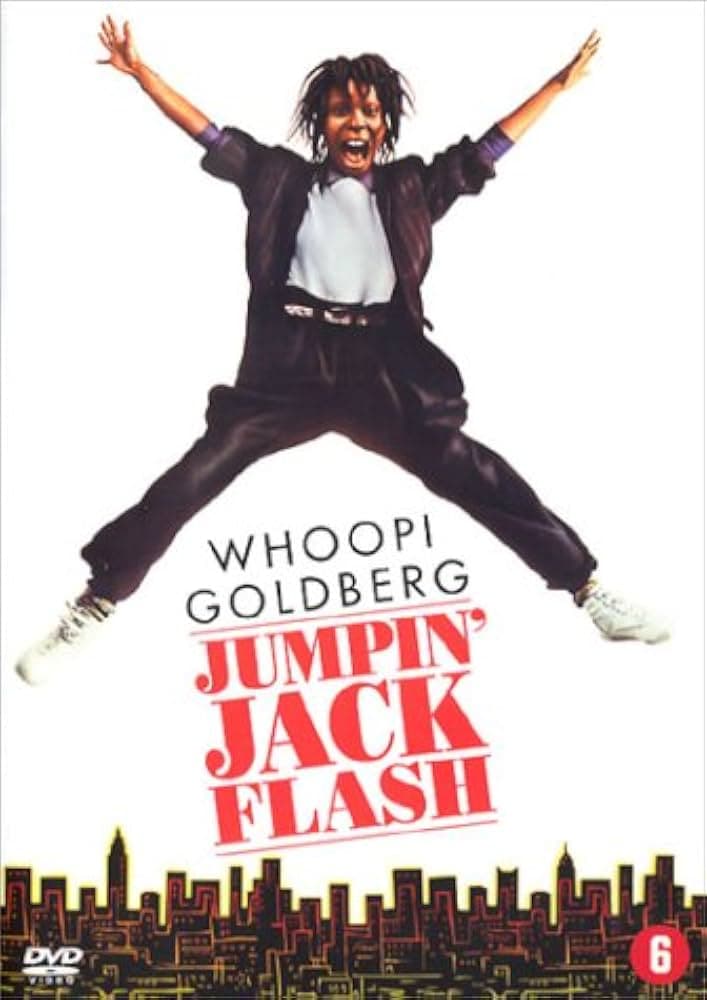
1986
Jumpin' Jack Flash
Jumpin' Jack Flash: our relationship with technology and freedom, and why this 1986 movie still matters.
Read our take →
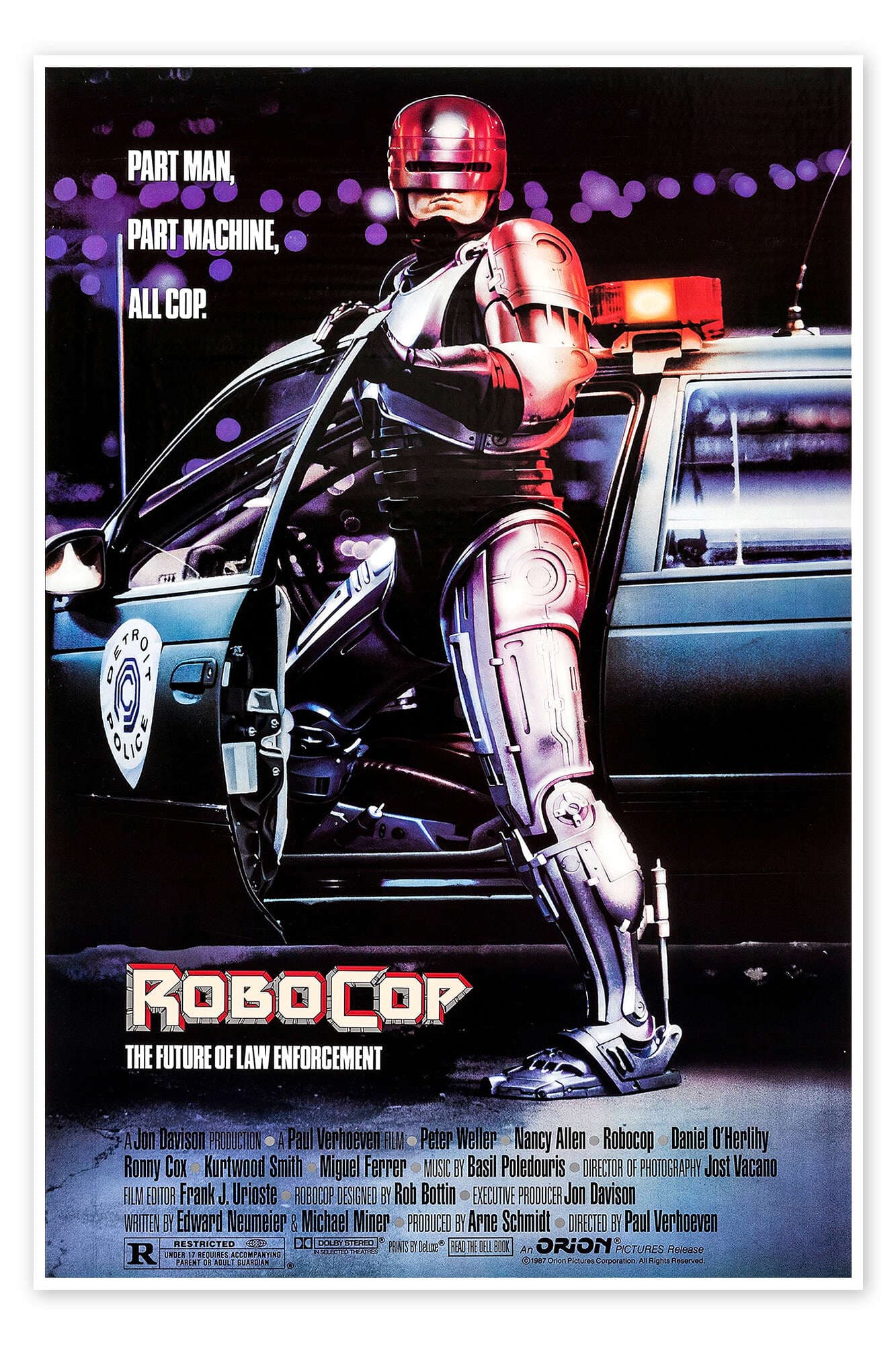
1987
RoboCop
A murdered cop rebuilt as a product — RoboCop still asks who gets to sell justice.
Read our take →
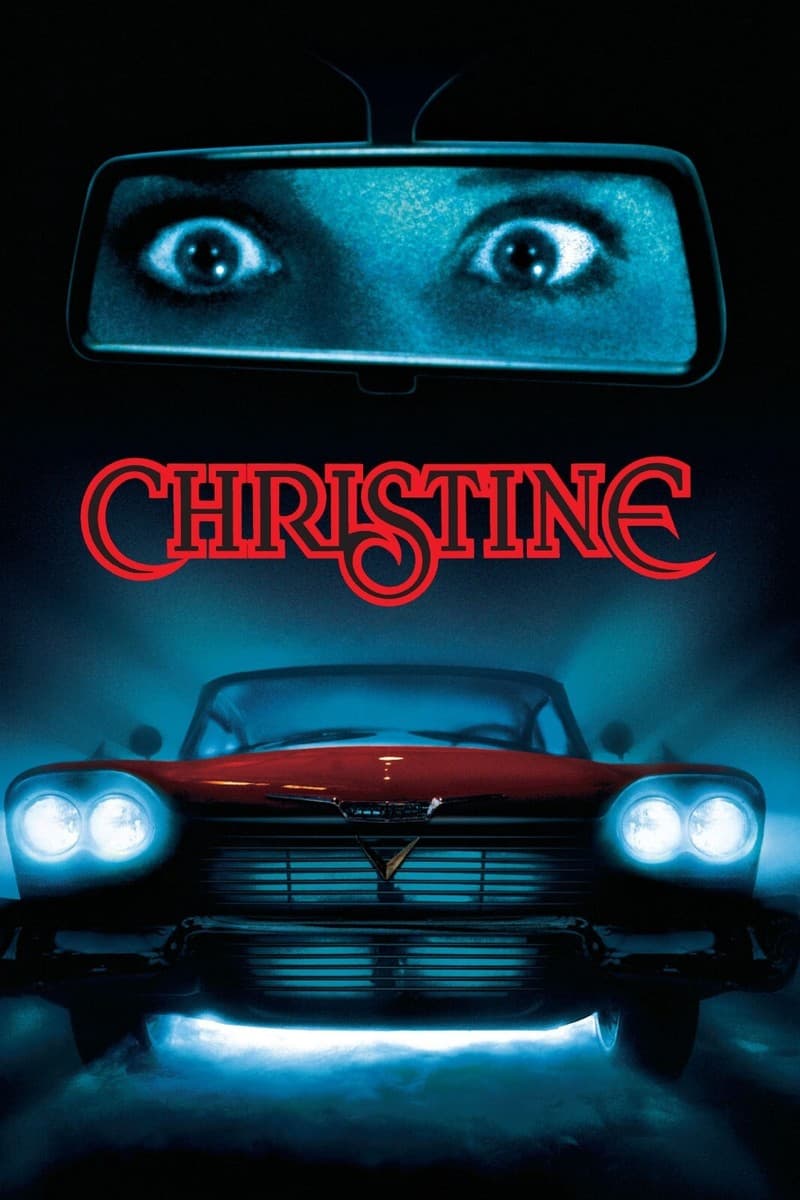
1983
Christine
Obsession, adolescence and a car that won't let go.
Read our take →