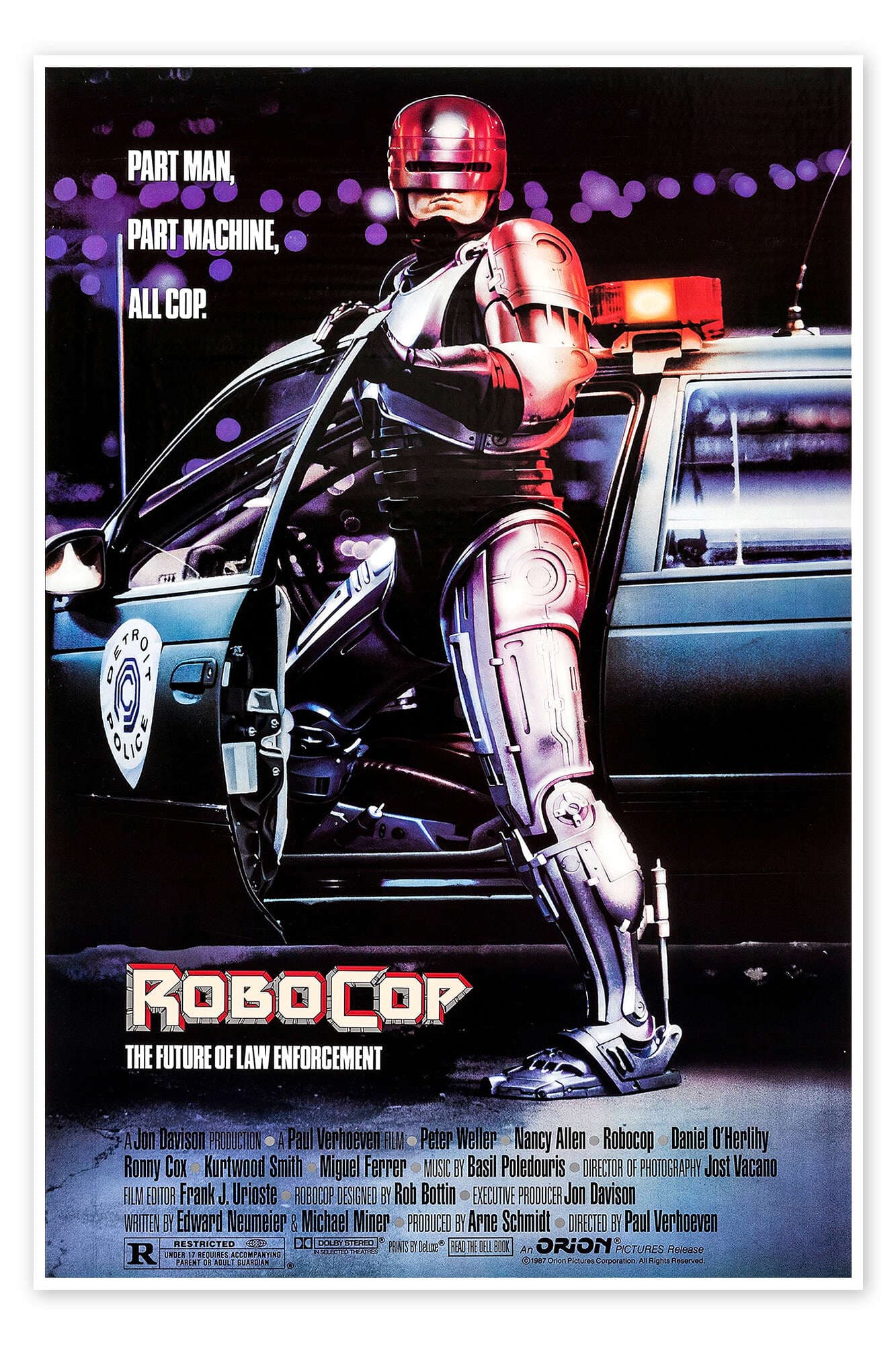
The setup
RoboCop hooks you on a very simple, unsettling promise: this is a movie about a man turned into a machine and the people who decide what he should be. Set in a near-future Detroit where the city’s policing has been handed to a corporation, Paul Verhoeven’s film turns that premise into something grimly comic, occasionally shocking and frequently clever. At its centre is Alex Murphy — or whatever’s left of him — and the slow return of memory that turns a corporate experiment into a moral problem.
THE MOVIE
Alex Murphy / RoboCop is still the reason this movie works
There are a hundred flashy things about RoboCop — corporate PR, grotesque gadgetry, TV breaks that feel like acid — but what keeps the film honest is the stubborn, stubborn person at its mechanical heart. This is a story that starts with a city outsourcing its police to a multinational corporation and ends with that corporation trying to treat a human being like a product.
That human being is Alex Murphy, killed on duty and rebuilt by Omni Consumer Products as a cyborg law-enforcement unit called RoboCop. The film turns Murphy’s recovering memories and moral instincts into its emotional engine: RoboCop is interesting because he remembers enough to make the company uncomfortable.
Paul Verhoeven directs with a wink and a knife; the whole package — the screenplay from Edward Neumeier and Michael Miner, Peter Weller in the half-seen face of the title character, Basil Poledouris’s score — makes a compact, 102-minute movie that still has opinions.
THE SETUP
The idea that sets RoboCop in motion
RoboCop’s central premise is economical and ruthless: a patrolman is killed, a corporation rebuilds him as a policing product, and everyone agrees this is a sensible public-safety solution. That tidy first move gives the film an immediate moral tug — what has been lost in the transaction, and what might come back?
The story’s tension comes less from exotic futurism than from the mismatch between machine efficiency and human memory. As RoboCop’s old life bubbles up, clashes with OCP’s priorities — profit, control, neat corporate timelines — become inevitable.
It helps that the setup is clear. The film doesn’t bog you down in gadgets; it asks a single question loudly enough for a 102-minute action picture: if you can make a cop, should you?
THE CHARACTER
Why Alex Murphy / RoboCop matters
What makes RoboCop memorable isn’t the chrome or the guns. It’s that Alex Murphy survives in some partial, stubborn form inside the machine. The film keeps returning to the uncomfortable idea that this is not a blank robot — it’s a reanimated human with fragments of memory and a moral impulse that won’t be filed away.
Peter Weller plays the role; the production even gave him mime coaching so the movement of the suit could feel controlled and particular rather than cartoonish. That single decision — to treat the body-language of RoboCop as specific to a person who used to be human — means the character reads as something watchable, not just symbolic.
Because the movie treats Murphy’s recovery of memory as the emotional through-line, every corporate meeting, every PR shot and every violent set-piece has a human counterweight. You’re watching a machine do its job while a man keeps nudging it toward remembering who he was.
UNDER THE SURFACE
RoboCop has more on its mind than the plot suggests
On the surface RoboCop is a high-concept sci-fi action film. Below that surface it’s quietly preoccupied with who gets to run public life. The city of Detroit in the film has effectively outsourced policing to Omni Consumer Products, and that transaction — turning a public duty into something to be managed and marketed — is the movie’s favourite target.
Another obvious thread is identity. RoboCop is technically a reanimated law-enforcement construct, but the film keeps pulling human traces back into the machine. That tension — memory against programming, flesh against firmware — is what turns punch-and-gun cinema into an ethical problem.
Verhoeven also uses media and advertising inside the film to make a point about desensitization. The movie interrupts itself with in-universe television segments and mock ads that normalise violence and consumerism in the world it’s created.
Finally there’s the notion of technological resurrection: the idea that death can be turned into a product. RoboCop treats that possibility as both scary and absurd, which is why the film swings between satire and straight-up action so comfortably.
THE FILMMAKING
How RoboCop was put together
A large part of RoboCop’s personality is built, not written. The production deliberately created a corporate world for OCP and then punctured it with ‘Media Break’ television segments and mock advertising — small editorial devices that let the film satirise its own setting without preaching.
That approach required a team who could make corporate gloss look both plausible and ridiculous. The film’s credits point to collaborators who handled those tasks: Jost Vacano on cinematography, Frank J. Urioste editing and William Sandell in production design. Together they help the movie feel like a functioning, persuasive world.
Those production choices matter because RoboCop isn’t a glossy future fantasy; it’s a near-future courtroom between profit-manners and human mess. The filmmaking keeps one foot in genre spectacle and the other in satirical observation.
PRACTICAL EFFECTS
The effects work that gives RoboCop its physical personality
RoboCop’s physicality is the work of a sizable practical-effects effort. The suit itself was designed and constructed under the supervision of Rob Bottin and operated as a substantial, labour-intensive prop on set — a thing that the actors and camera had to negotiate rather than an afterthought.
ED-209, the Enforcement Droid that provides one of the film’s most memorably grotesque moments, was realised in two forms: a full-size puppeteered prop and a miniature used for stop-motion shots. Crediting Phil Tippett’s team for that work underlines how much of the movie’s menace comes from hands-on fabrication.
Makeup, prosthetic and on-set construction teams also contributed multiple practical components and the stunt and props support necessary to sell the physical sequences. The film’s tactile nature is part of why its world still reads as lived-in rather than purely schematic.
PURE 80S
RoboCop could not belong to any other decade
RoboCop lands where it does because of the political and cultural weather of the mid-1980s. The film was produced in that decade and is repeatedly read as a satirical response to Reagan-era policies and the era’s enthusiasm for privatisation and corporate reach.
It’s also very much a late-80s genre movie: a blend of ultraviolence, hands-on effects and pointed satire. That mix — high-concept spectacle with a mean satirical edge — felt very of its time and helped the film stand out among contemporary science-fiction action pictures.
The dates are plain: principal photography began in 1986 and the film premiered in North America in July 1987. That timing put RoboCop right in the thick of conversations about what corporate power was doing to public life.
THE LEGACY
Why RoboCop still matters
Part of RoboCop’s afterlife is simply practical: the character and concept moved into sequels, a remake and a broad franchise that kept the idea in circulation. But there’s a critical side to the legacy as well.
The film’s blend of social satire and genre filmmaking is frequently discussed in histories of late-1980s science-fiction because it manages to be entertaining and argumentative at once — a studio-park action movie that is also making a point about commodification and media.
Those two tracks — the franchise engine and the film’s argumentative structure — explain why RoboCop keeps getting returned to, reinterpreted and sometimes remade.
THE VERDICT
Does RoboCop still hold up?
Short answer: yes — but not because it’s a nostalgia machine. RoboCop still works because its central idea is sharp and because the film keeps a human question anchored to its spectacle. You’ve got a near-future Detroit that has outsourced policing to OCP and a single inciting event: Alex Murphy’s murder, which allows the company to recreate him as a cyborg product.
From that pivot the movie does two clever things at once. It makes the corporate frame of reference visible — with in-universe media breaks and mock advertising that normalise violence and consumer messaging — and it lets RoboCop’s recovering memories complicate every neat corporate plan. That tension between memory and commodification is still interesting.
The film is also compact: 102 minutes that balance satirical jabs with action, and it keeps Anne Lewis as a human link to Murphy’s life rather than letting the picture become all gadgetry. There are practical-effect choices and production decisions that give the world weight, but the real reason to watch is the idea that a man’s past can unsettle a product launch.
If you’ve never seen it, go in knowing it’s both a punchy sci-fi action film and a sharp little satire about who gets to decide what public life looks like. If you return to it, you’ll probably notice how often the movie pulls you back to the same question: who owns a life?
Share this movie
Keep watching
More movies from the 80s
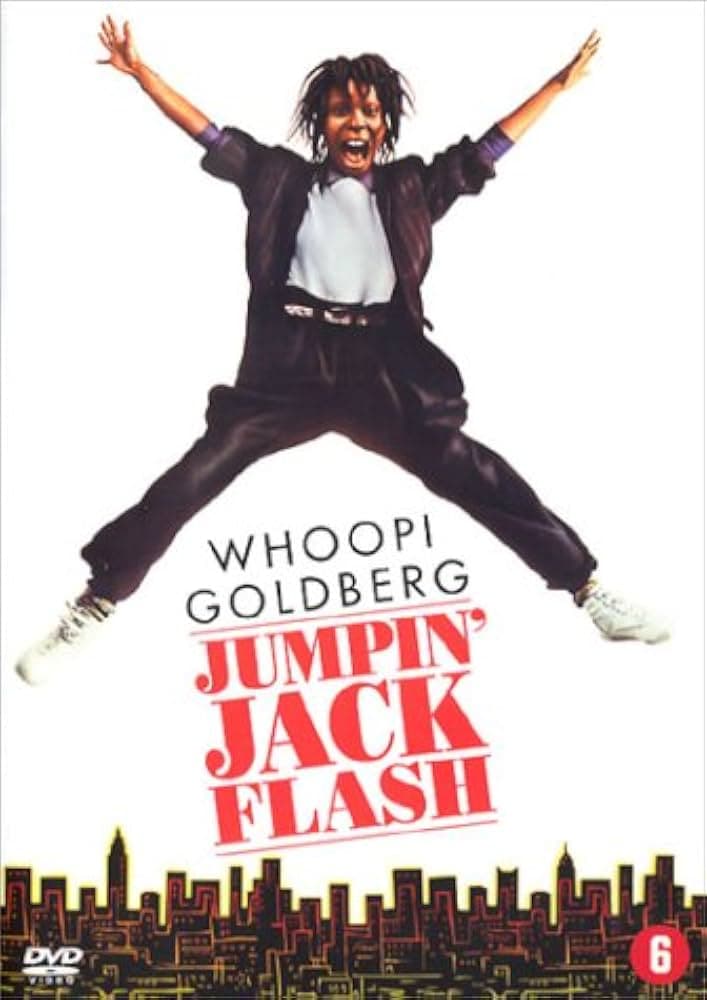
1986
Jumpin' Jack Flash
Jumpin' Jack Flash: our relationship with technology and freedom, and why this 1986 movie still matters.
Read our take →
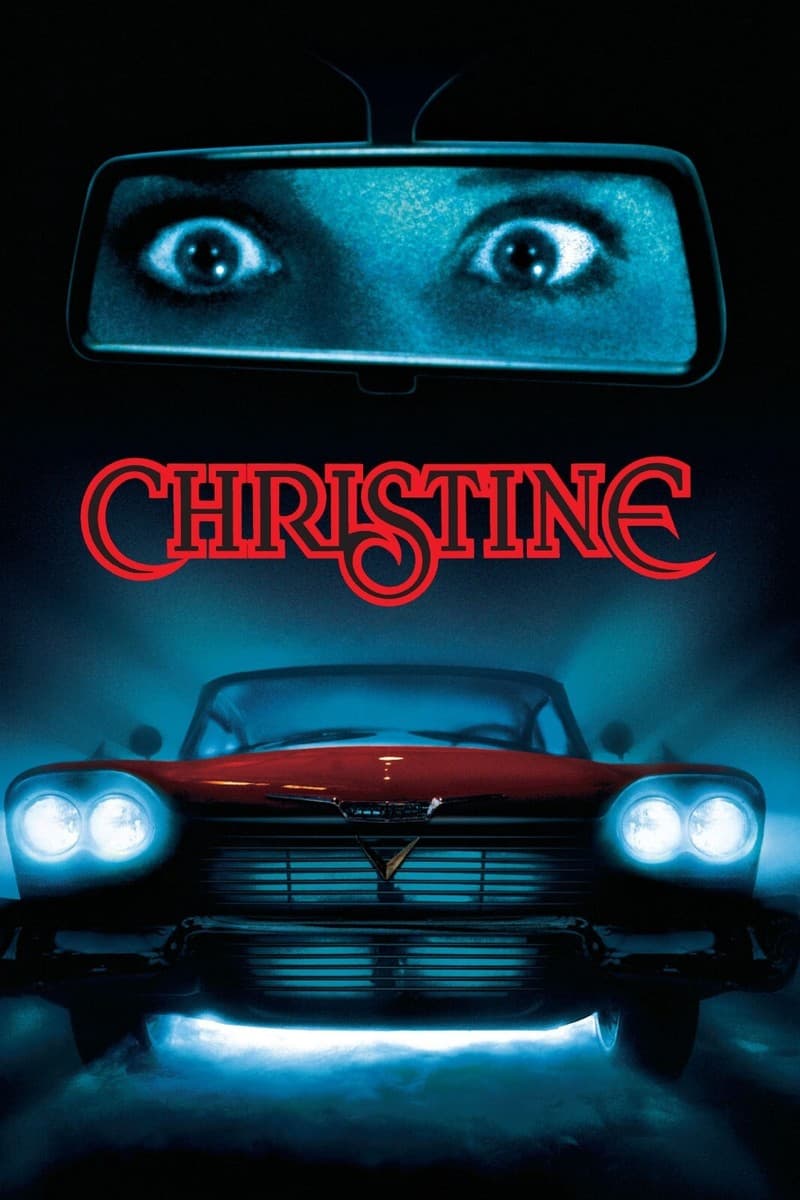
1983
Christine
Obsession, adolescence and a car that won't let go.
Read our take →
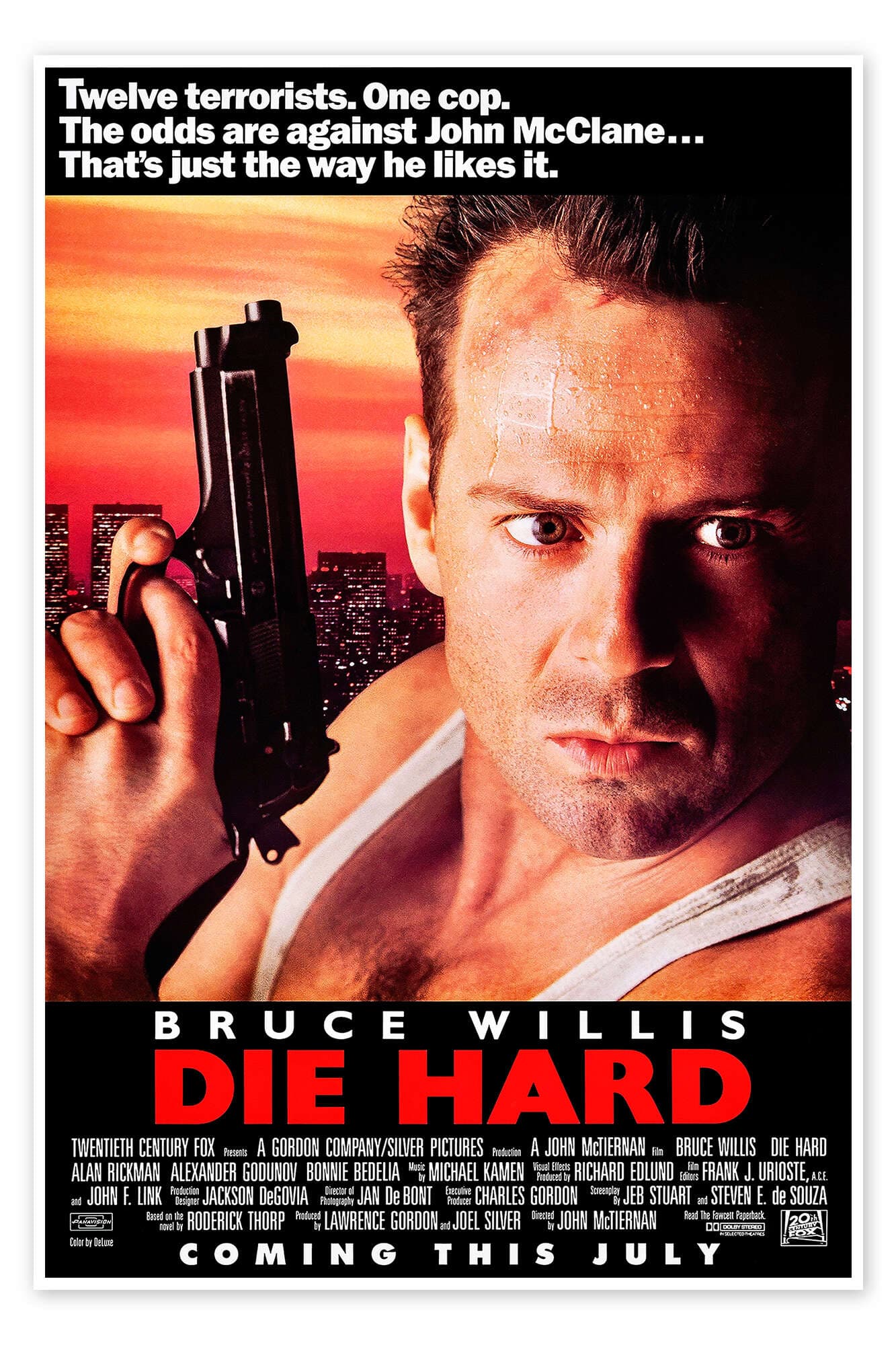
1988
Die Hard
One cop, a Christmas party gone wrong and a marriage he can't ignore.
Read our take →