The setup
The Name of the Rose is the sort of film that hooks you not with spectacle but with a pair of sensible eyes and a slow-burning question: who gets to read, and who gets to decide? Jean-Jacques Annaud’s 1986 adaptation turns Umberto Eco’s medieval whodunnit into a tight, intelligent thriller built around a deductive monk called William of Baskerville.
THE MOVIE
William of Baskerville is still the reason this movie works
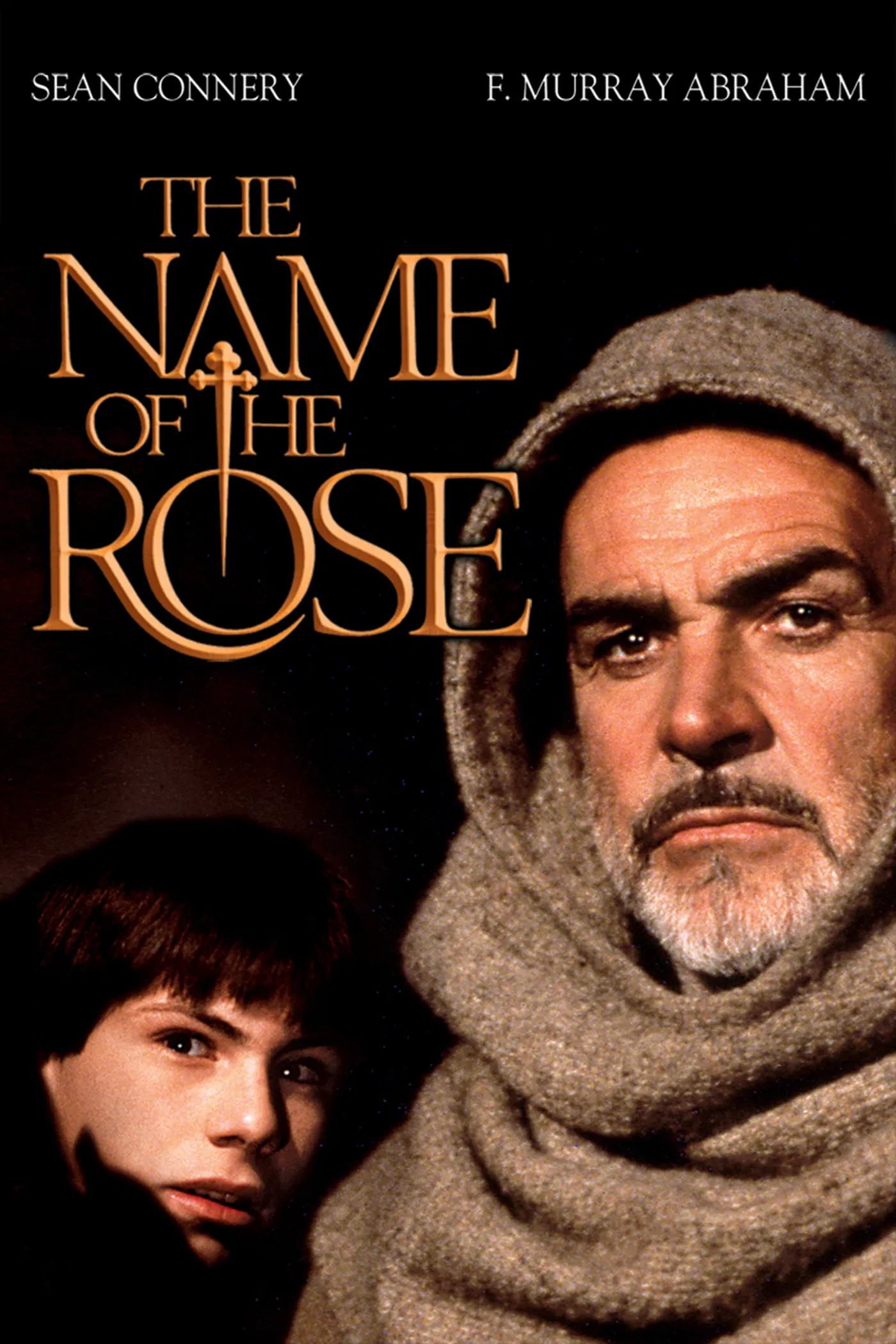
There are films you remember for a moment — a shot, a scream — and films you remember for a presence. William of Baskerville is the latter. The movie frames everything as the older Adso’s memory, but it’s William’s patient logic and unflappable methods that steer the story from scene to scene.
The plot is ignited when a young illuminator’s apparent suicide forces William and his novice Adso to pry into an abbey that prefers its secrets tightly shut. That simple investigative engine — an outsider using observation and argument to poke at a closed community — gives the film its forward motion.
Annaud’s 1986 film is careful about what it wants to be: a mystery and a moral fable about suppression and the control of knowledge, told on a scale that favours atmosphere and argument over spectacle.
THE SETUP
The idea that sets The Name of the Rose in motion
At surface level it’s elegant and economical: an older Adso looks back as the younger Adso and his mentor William arrive at a remote Benedictine abbey in 1327 to attend a theological conference — and to look into a troubling death. That frame keeps the plot anchored even as the abbey’s walls start to close in.
What the story quickly becomes is a duel of approaches. William treats questions like experiments — he talks, watches, draws conclusions. The abbey, and later the inquisitorial presence of Bernardo Gui, answer with secrecy, ritual and coercion. The clash is intellectual and urgent.
Crucially, the investigation is not merely who killed whom. It’s about a locked, labyrinthine library: the forbidden repository whose missing contents form the central puzzle. The search for the book is also a search for why knowledge is policed.
THE CHARACTER
Why William of Baskerville matters
Sean Connery plays William of Baskerville, and the film arranges itself around him. William is the kind of investigator who trusts questions more than proclamations — he privileges careful observation, conversation and a steady process of inference.
That temperament transforms the movie. Instead of shouting theology or piling up melodrama, the film chooses the slow work of close reading — of manuscripts, of gestures, of inconsistencies. William’s methods make the abbey feel like a puzzle to be slowly, stubbornly solved.
He’s also the film’s pivot: mentor to Adso, interlocutor to rivals, and the steady centre the audience can follow when the plot darkens and the abbey’s secrecy bites back.
THE PERFORMANCE
Why Sean Connery's performance matters
Contemporary coverage and later notices singled out Sean Connery’s work in the role, and that recognition translated into awards — Connery received the BAFTA for Best Actor for his portrayal of William.
That kind of formal recognition matters because this is not a background part for a star. The film gives Connery the space to carry argument and interrogation rather than stunt or swagger, and industry and awards attention treated the role accordingly.
It’s fair to say the movie leans on its central casting choice; the credit line of Connery’s name is part of how the film sells itself as both a serious literary adaptation and a mainstream historical thriller.
UNDER THE SURFACE
The Name of the Rose has more on its mind than the plot suggests
Under the murder mystery is a steady worry about who controls words. The film repeatedly stages censorship and institutional control against curiosity and open inquiry, so the detective story doubles as an argument about access to knowledge.
That argument becomes concrete in the film’s physical and symbolic attention to books and libraries. The library is fragile — both materially and politically — and the screenplay treats the book as an object that can be hidden, weaponised or destroyed.
There’s also a clear, repeated contrast between reason and dogma. William’s empirical approach — question, observe, infer — sits uneasily next to the abbey’s deference to authority. The friction produces much of the film’s dramatic heat.
Finally, the movie is a moral education as much as a mystery: the relationship between William and Adso is a mentorship in curiosity and doubt, a passing of methods and questions rather than doctrine.
THE FILMMAKING
How The Name of the Rose was put together
Annaud’s film is concrete about its world-building. Interiors were filmed in real abbeys such as Eberbach, while large exterior sets were built near Rome, and the production even commissioned hand-illustrated manuscript pages to give the library an authentic, tactile life.
Those choices fed the film’s personality: it doesn’t simply say ‘medieval’ — it assembles a material past you can almost touch. Production design and the clear involvement of historians and liturgical advisors keep the behaviour and objects feeling specific rather than generic.
Tonino Delli Colli’s cinematography and Jane Seitz’s editing contribute to the film’s tone. The movie frequently leans into dim, high-contrast lighting and composed, sometimes claustrophobic framings that underline the abbey’s maze-like spaces and the sense that knowledge is being buried in shadows.
PRACTICAL EFFECTS
The effects work that gives The Name of the Rose its physical personality
A lot of the film’s texture comes from hands-on craftsmanship: set elements built to look period-accurate, manuscript pages painstakingly hand-illuminated, and practical lighting rigs designed to read like medieval lanterns.
Those tangible choices stop the movie from feeling theatrical in the wrong way; the props act like evidence, and that makes both the investigation and the symbolic value of the books feel earned.
PURE 80S
The Name of the Rose could not belong to any other decade
There’s an 80s logic to this production: mid-decade European co-financing, a big-name international star, and an appetite for adapting serious bestselling novels for wider audiences. The film sits squarely in that moment when art-house ambitions and commercial strategies met.
It’s also typical of how 1980s European cinema attempted to make literary work into cinema on a larger scale — multinational money, careful production design and the kind of casting that would catch attention across territories.
Annaud’s crediting of the film as ‘a palimpsest of Umberto Eco’s novel’ feels of its time too: an era that courted prestige by translating complex books into accessible, visually assured films.
Filming itself was a season-long undertaking, shot between late 1985 and early 1986 across German abbeys and constructed sets near Rome, which helped the movie present a convincing medieval world without softening the intellectual edges of the story.
THE LEGACY
Why The Name of the Rose still matters
The film earned national awards — including the César for Best Foreign Film — and it established itself as the high-profile screen version of Eco’s novel. That attention helped secure the movie a continuing place in conversations about literary adaptations.
Sean Connery’s BAFTA win for the role also marked a visible moment in his career, one that reviewers and career summaries link to renewed commercial interest in him at the time.
Finally, the fact the story was adapted again in 2019 underlines the novel’s continuing appeal and confirms the 1986 film’s place as the go-to cinematic reference point for Eco’s work.
THE VERDICT
Does The Name of the Rose still hold up?
Short answer: yes — for viewers who enjoy a mystery that prefers ideas to explosions. The film’s frame (older Adso looking back) gives it a wistful, elegiac tone, while the central detective engine — William following clues around a closed abbey after the illuminator’s death — keeps the narrative taut.
What makes it worth revisiting today is a combination of things the movie actually does well: a central performance that attracted awards attention; a clear thematic spine pitting empirical enquiry against institutional secrecy; and a tangible production that treats books and the library as objects worth defending.
If you want a medieval thriller that still feels purposeful rather than merely atmospheric, you’ll find it here. The movie’s 131-minute running time and deliberate pace demand patience, but they also allow the argument — about who controls knowledge and what happens when laughter or a book is forbidden — to register.
In short: watch it for William, stay for the questions. It’s a murder mystery that never forgets it’s also a case about why we read in the first place.
Share this movie
Keep watching
More movies from the 80s
1986
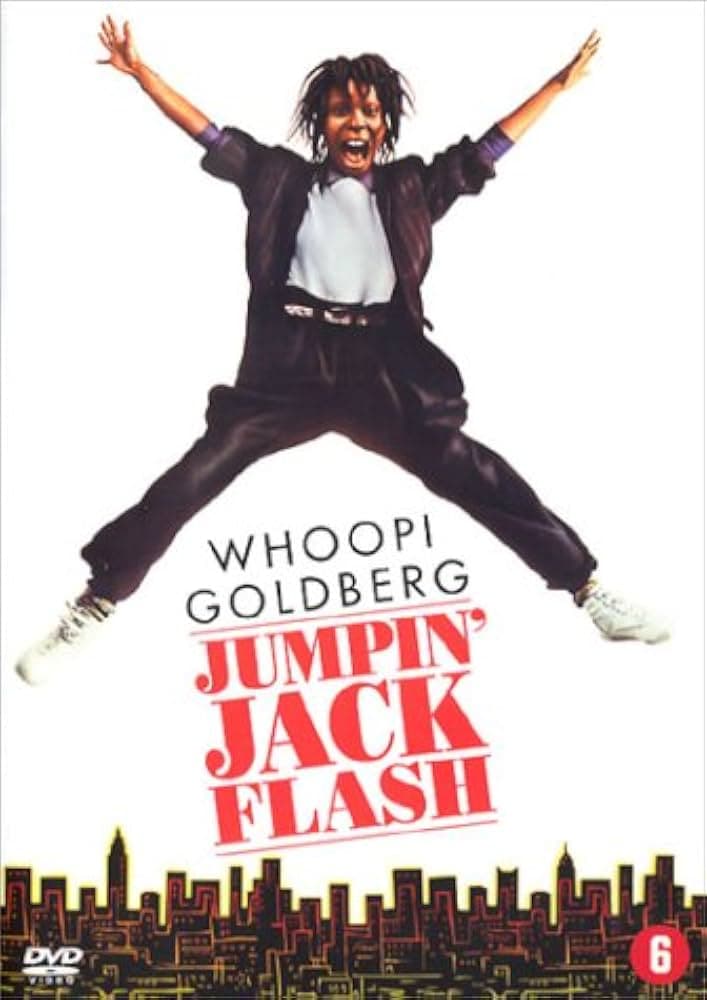
Jumpin' Jack Flash
Jumpin' Jack Flash: our relationship with technology and freedom, and why this 1986 movie still matters.
Read our take →
1987
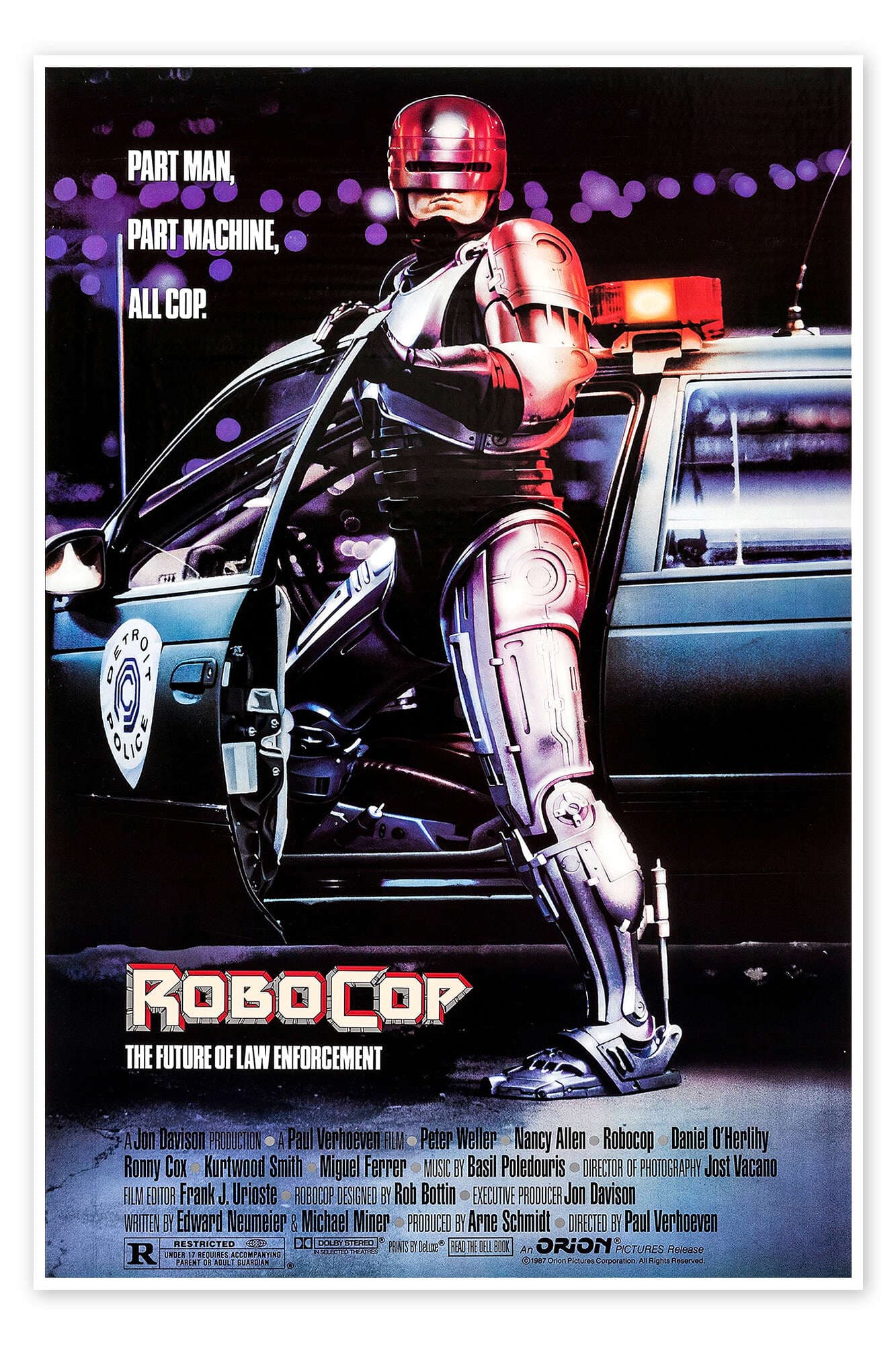
RoboCop
A murdered cop rebuilt as a product — RoboCop still asks who gets to sell justice.
Read our take →
1983
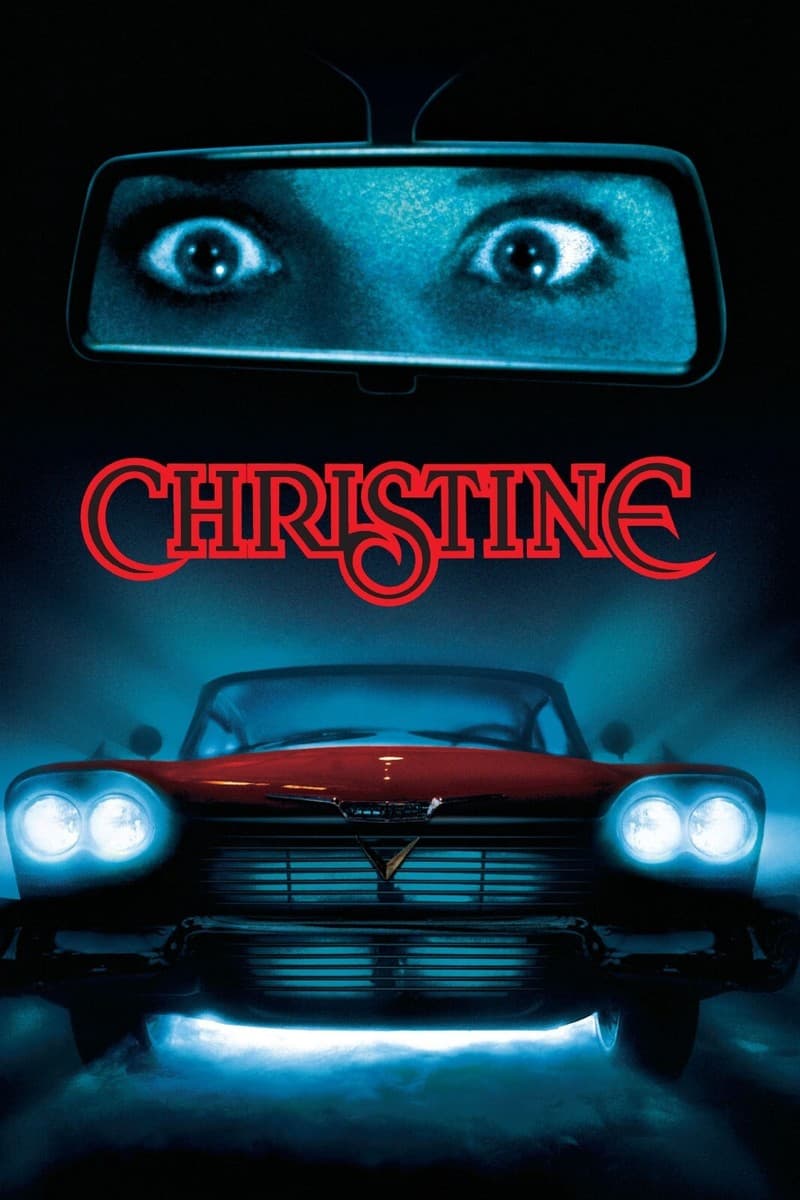
Christine
Obsession, adolescence and a car that won't let go.
Read our take →