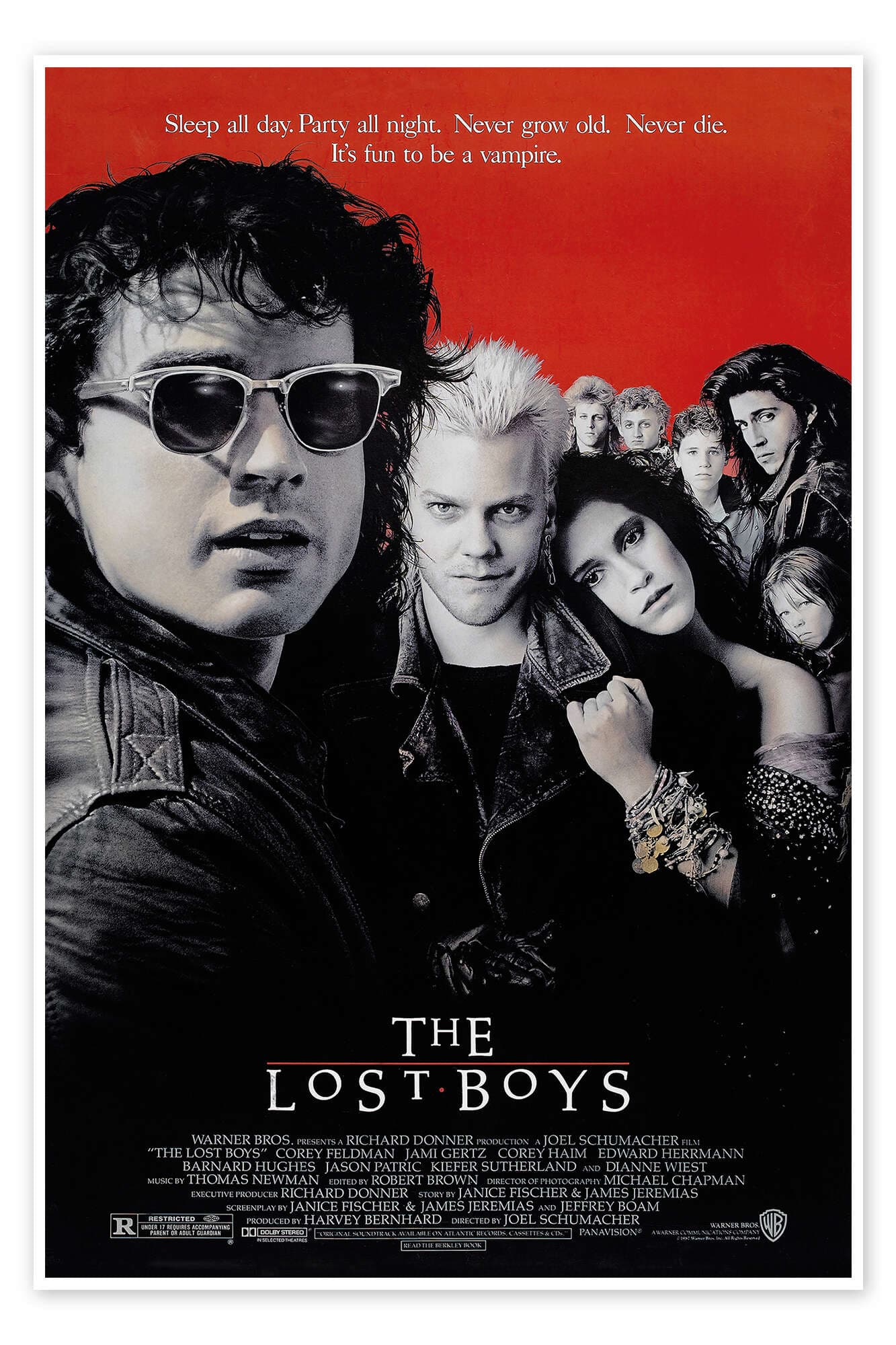
The setup
The Lost Boys still feels like a film that turned adolescent trouble into spectacle — equal parts seduction and sibling rescue. Joel Schumacher’s summer horror-comedy centres on Michael Emerson, a young man whose wish to belong plunges him into danger, and a little brother who refuses to accept that fate.
THE MOVIE
Michael Emerson is still the reason this movie works
The Lost Boys begins with a simple domestic move — a recently separated mother and her two sons arriving in Santa Carla — and from that small family germ grows the movie’s electrical charge. Santa Carla isn’t presented as sleepy; it’s a beach town with teeth, and that sense of danger flips the usual post-move teen drama into something sharper.
What pulls the story forward is Michael Emerson’s particular ache: he wants acceptance and romance, and that yearning makes him vulnerable to David and his crew. That vulnerability is the engine; the seduction into the gang is less about supernatural destiny than about a young man being given the attention he craves.
Meanwhile, Sam finds the Frog brothers and their pop-culture-flavoured vampire lore, which gives the film its investigative heartbeat and stops it from becoming just a series of scary set pieces. Joel Schumacher directs the whole thing with a mix of horror and comic timing, and at 97 minutes it rarely wastes a beat.
THE SETUP
The idea that sets The Lost Boys in motion
The image you need in your head is straightforward: a family uproots to a Californian boardwalk town, and the boys get pulled in different directions. Michael drifts toward Star and a charismatic motorcycle gang led by David, which is how the supernatural threat wedges itself into a domestic story.
Sam, by contrast, becomes the curious younger brother — the one who spots oddness, tracks down the Frog brothers and turns vampire lore into a plan. That pairing of the worried sibling and the eager investigator keeps the plot moving without grinding into a full-scale detective movie.
The central conflict grows from those personal stakes: protecting family from a predatory presence while trying to salvage a brother who’s slipping away. The Frog brothers’ comic‑informed tests for vampirism, the daylight raids on the gang’s lair and the late escalation that turns the Emerson home into a battleground provide the film’s set-piece rhythm.
It works because the supernatural elements are never purely showy — they’re woven into ordinary anxieties about growing up, belonging and who you can trust.
THE CHARACTER
Why Michael Emerson matters
Jason Patric’s Michael is the film’s hinge. He’s not simply a victim; he’s a conflicted teenager whose need to be seen and wanted makes the rest of the plot plausible. The tragedy of his arc is recognisable: a young man on the brink of adulthood who mistakes danger for acceptance.
That choice gives the movie emotional weight. Sam’s role as the inquisitive, pop-culture savvy younger brother contrasts with Michael’s blindness — it makes the family dynamic believable and urgent, rather than just background colour.
Lucy’s attempts to rebuild a safe household, and her adult life running alongside the boys’ troubles, raise the stakes. When the supernatural invades, it’s not only about rescuing Michael; it’s about saving a family’s fragile attempt at normality.
Put simply: Michael matters because his need drives decisions that force everyone else to act. Without that vulnerability, the vampire plot would have little dramatic purchase.
THE PERFORMANCE
Why Kiefer Sutherland's performance matters
David needs to feel like a force you could follow — and contemporary reviewers noticed that Kiefer Sutherland supplied a strongly identifiable, menacing presence. That quality matters because the gang’s charisma is the lure that pulls Michael in.
If David were anonymous or flat, the film’s seduction beats would collapse. Instead, his presence provides a believable alternative life for Michael: excitement, belonging, danger all wrapped together.
So the performance functions narratively as well as atmospherically. It’s the switch that flips Michael from bored teenager into something more reckless and exposed.
Even in a movie that juggles humour and horror, a menacing centre like David keeps the stakes real.
UNDER THE SURFACE
The Lost Boys has more on its mind than the plot suggests
On the surface it’s a vampire romp; underneath, it’s very much a coming‑of‑age story. Michael’s initiation into adulthood is framed via seduction and peer pressure — he’s not tempted by abstract evil so much as by the intoxicating attention of people who make him feel older.
Family and protection are threaded through the film. The brothers’ relationship and Lucy’s attempts to keep the household together make the threat personal: the danger isn’t an anonymous town problem but something that could undo a family.
There’s also a wink to youth’s appetite for spectacle. The movie treats its young antagonists as part public image, part menace — a reflection of how pop culture packages danger as desirable.
Taken together, those ideas keep The Lost Boys from being a one-note genre picture; it’s a film about choices teenagers make when longing and peer pressure collide.
THE FILMMAKING
How The Lost Boys was put together
Joel Schumacher staged the movie with a glossy, pop-infused sensibility that lets the horror sit alongside moments of stylised fun. That tonal mix is a deliberate choice — it keeps the film lively without undermining genuine danger.
Michael Chapman’s work behind the camera supported that approach; the nighttime boardwalk sequences and the film’s nocturnal photography earned praise when the movie came out, giving the seaside setting an almost electric feel.
Bo Welch’s production design also matters: the boardwalk and beachfront world feel designed to support a story about public spectacle and private peril, which helps the movie balance teen-pop charisma with threat.
Together those choices give The Lost Boys a distinctive identity: slick but with a lived-in seam of menace running through it.
PRACTICAL EFFECTS
The effects work that gives The Lost Boys its physical personality
The film relies on practical makeup to sell its creatures, with Greg Cannom credited for prosthetic and makeup effects that help realise the vampires on screen.
There are also practical contact-lens and makeup techniques in play — specialists, including a contact-lens consultant, were employed to alter performers’ appearances in ways that read on camera.
Those hands-on approaches keep the film tactile: the vampires feel physical and present rather than the result of optical trickery alone.
When a movie mixes practical prosthetics with wardrobe and location work, it gives the supernatural a sense of weight — and The Lost Boys uses that to keep its threats grounded in the body.
PURE 80S
The Lost Boys could not belong to any other decade
Premiering in the summer of 1987, The Lost Boys sits squarely within a late‑80s moment when vampire stories were being reframed for contemporary teen audiences. It’s part of a wave that turned bloodsuckers into pop figures as much as monsters.
The film’s soundtrack and its emphasis on young, stylish antagonists reflect the decade’s commercial fusion of pop music, youth marketing and genre filmmaking — a deliberate alignment with what sold cinema audiences then.
Production dates in mid‑1986 and a studio summer release in 1987 place it among other youth-oriented commercial pictures of the period, which explains why it looks and sounds so of its time in terms of energy and marketing.
All of this is why The Lost Boys feels like a product of the 1980s era — not because of nostalgia, but because its forms and aims are rooted in that moment’s ideas about youth and spectacle.
WATCHING IT NOW
What has aged — and what hasn't
Genre and themes remain the film’s durable core: it’s still recognisably a vampire movie that tries to say something about family and protection while leaning into youth spectacle.
The family drama — siblings protecting each other, a mother trying to hold things together — still gives the supernatural material emotional purchase, which helps the film avoid being mere pastiche.
The pop-culture spectacle of youth, which once felt contemporary, now reads as a clear register for the film’s energy: some viewers will find that dated, others will enjoy the way it captures late‑80s attitudes toward teenage identity.
The existence of later continuations and direct-to-video follow-ups suggests the story kept enough of a following to be revisited, which is its own kind of afterlife even if those projects live in a different register from the original.
THE LEGACY
Why The Lost Boys still matters
The Lost Boys built a steady cult profile after its release, and that continued attention helped spawn later direct-to-video sequels which returned at least one Frog-brothers character to the story.
Beyond films, the story has been expanded in comic-book miniseries and licensed extensions that revisit characters and storylines, showing that the world Schumacher and his writers sketched had more life in it than a single movie.
Anniversary re-releases and special editions have circulated, and the film continues to appear in pop-culture retrospectives and reunion events — signs that it occupies a lively, if specialised, place in the public memory.
That legacy isn’t the same as blanket cultural dominance; it’s a steady afterlife built from devoted fans, follow-ups and the story’s adaptability to other formats.
THE VERDICT
Does The Lost Boys still hold up?
Yes — but with asterisks. The Lost Boys still works as a compact horror-comedy because its central stakes are human: a family trying to stay intact, an eager younger brother who won’t let things slide, and a teen who mistakes danger for belonging. Those are tidy, clear reasons to care.
Jason Patric’s Michael is the story’s nerve, and Sam’s discovery of the Frog brothers gives the film comic machinery and investigative momentum. The vampire gang led by David supplies the seductive threat that propels Michael’s arc, and contemporary reactions singled out that menacing presence for good reason.
Joel Schumacher’s direction, the 97‑minute trim runtime and the film’s balance of humour and horror keep it brisk. If you approach it as a product of 1987 — a film that mixes youth spectacle, genre thrills and family stakes — it still delivers.
If you want a neat answer: watch it for the energy and the central brother-sibling fight for one another. It remains a picture where adolescent longing gets dressed up as doom, and where family refuses to let you fall without trying to pull you back.
Featured in
Explore more about The Lost Boys
The Lost Boys vs Fright Night: Which Is Better?
Two beloved 80s vampire pictures, very different beats: Joel Schumacher’s teen-family fable versus Tom Holland’s suburban vampire thriller. We pit their story, cast and staying power head-to-head to find out which still bites.
Read the feature →
The 9 Best Vampire Movies of the 1980s, Ranked
From teenage bloodsuckers and vampire next-door neighbours to stylish immortals and completely bonkers cult classics, we rank the 9 best vampire movies of the 1980s.
Read the feature →
Share this movie
Keep watching
More movies from the 80s
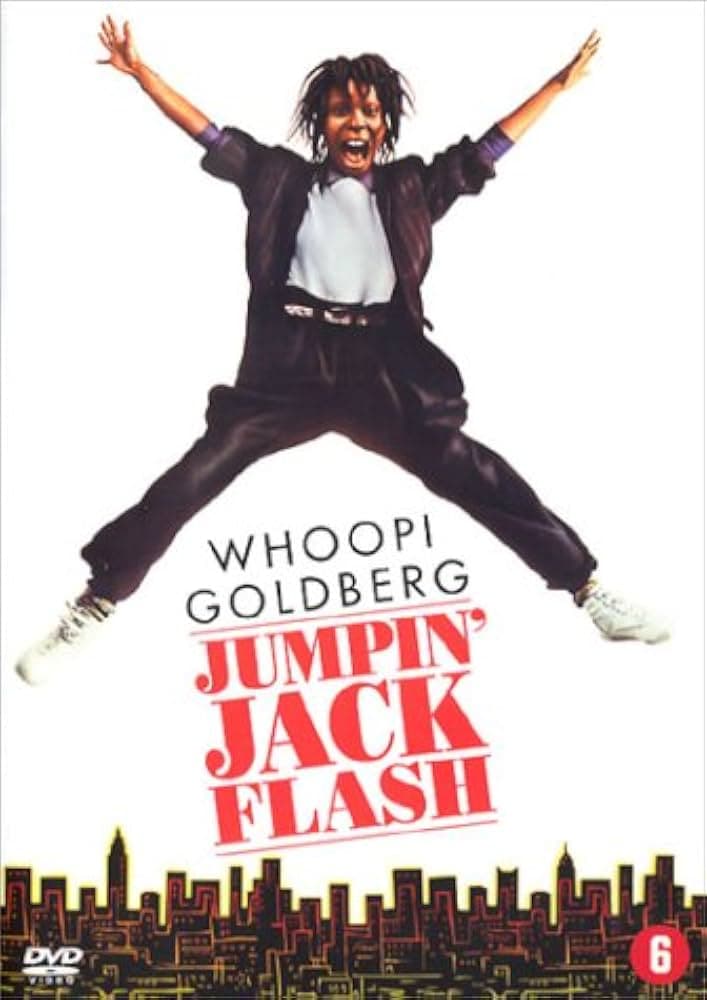
1986
Jumpin' Jack Flash
Jumpin' Jack Flash: our relationship with technology and freedom, and why this 1986 movie still matters.
Read our take →
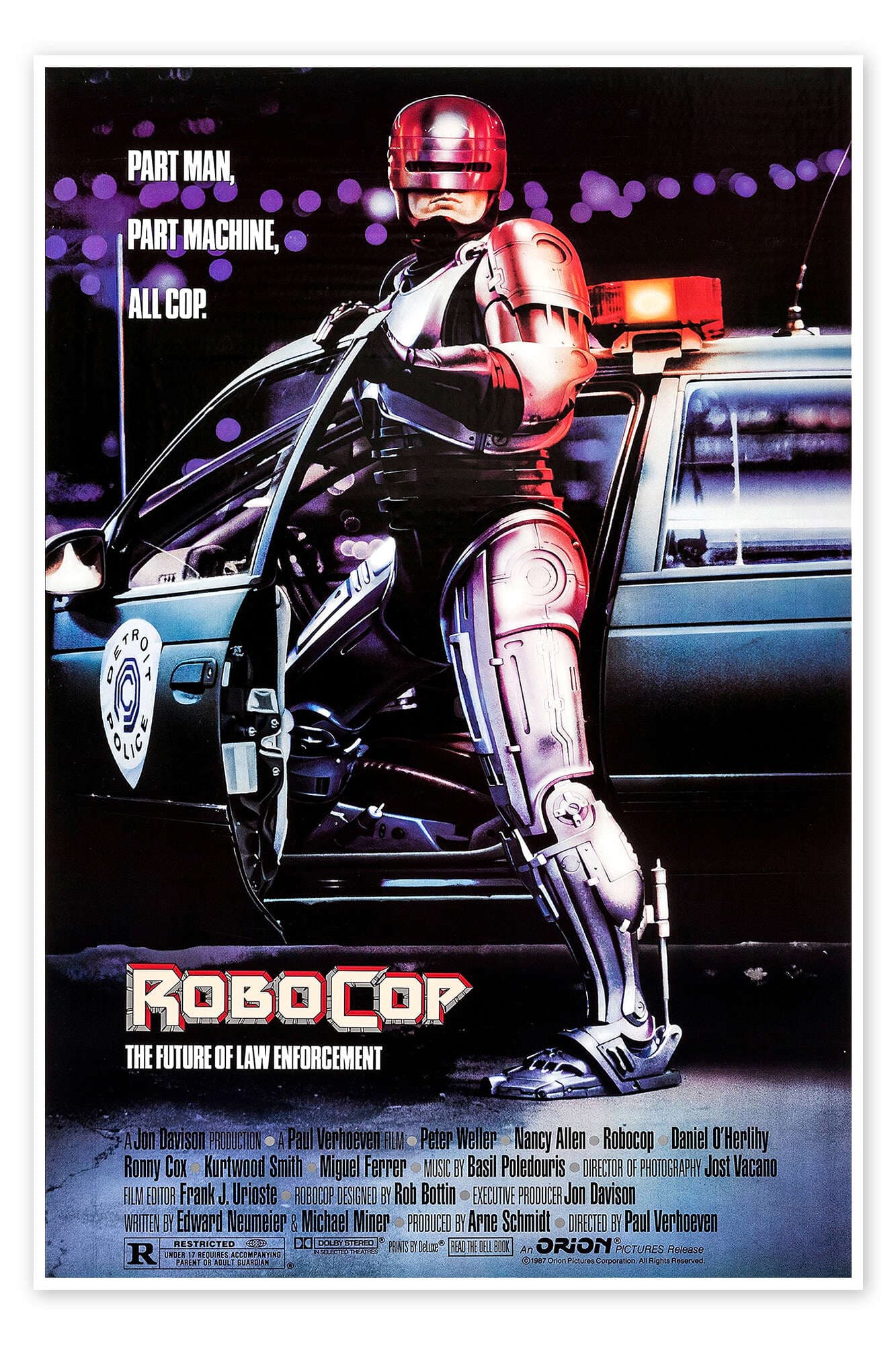
1987
RoboCop
A murdered cop rebuilt as a product — RoboCop still asks who gets to sell justice.
Read our take →
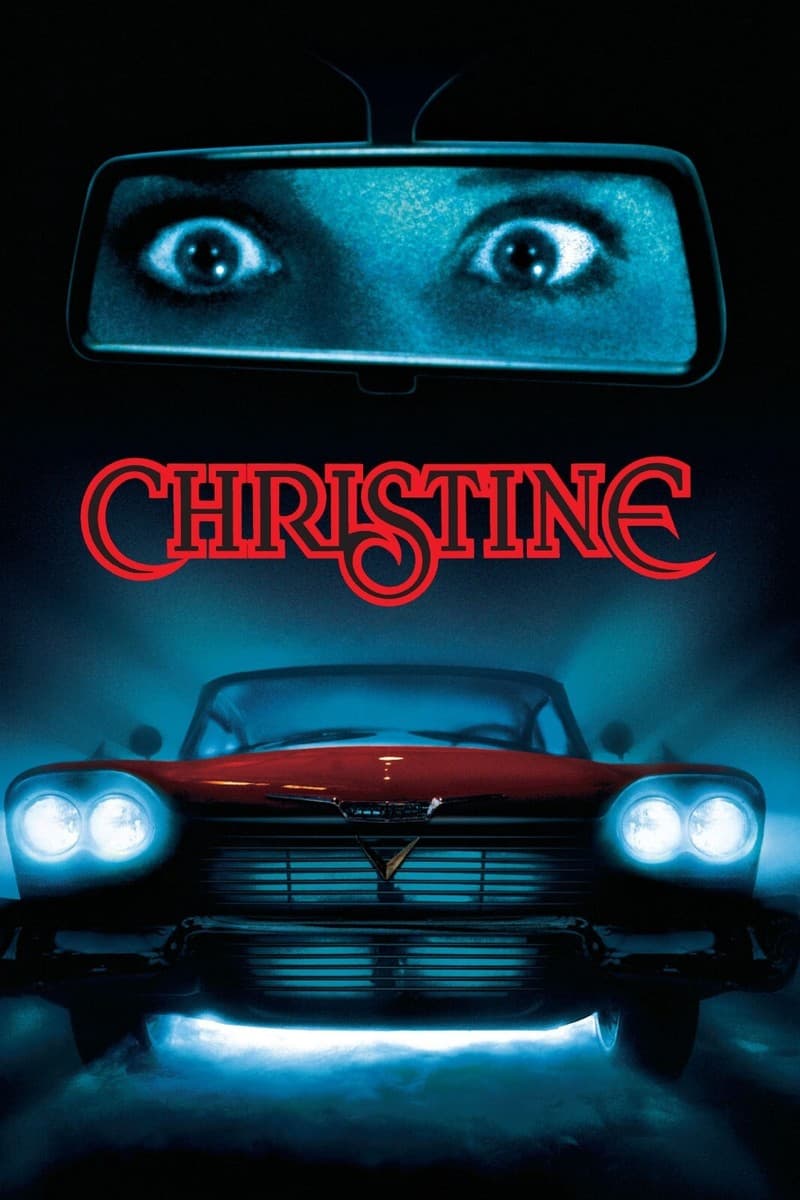
1983
Christine
Obsession, adolescence and a car that won't let go.
Read our take →