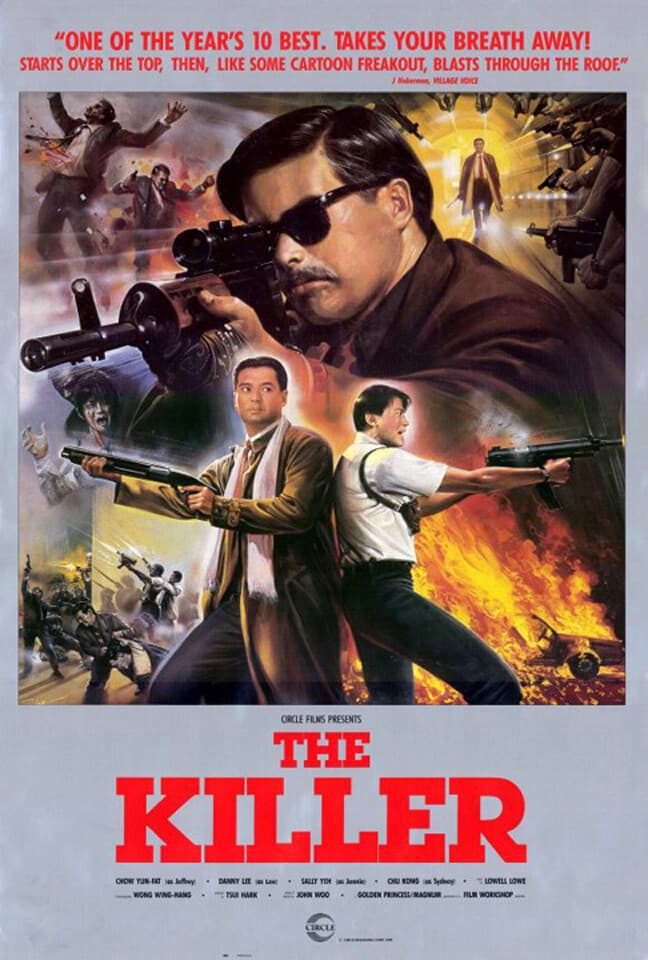
The setup
The Killer is the kind of action film that insists on being sentimental and lethal at the same time. John Woo’s 1989 thriller sets a professional assassin against a moral obligation: he has to fix what he broke. That tension — guilt made practical, duty made personal — is still what makes the film interesting.
THE MOVIE
Ah Jong (called "John" or "Jeff" in some English prints) is still the reason this movie works
Start with the obvious: The Killer is about a professional hitman who, after accidentally blinding a nightclub singer in a shootout, sets out to do one last job so he can pay for her operation. That practical, almost humiliatingly simple motive gives the whole film its moral spine.
John Woo directs. Chow Yun-fat plays the hitman, Ah Jong (credited as John or Jeff in some English prints). The film turns this tidy premise — guilt plus a deadline — into a series of choices that feel human rather than schematic.
It’s an action picture, sure. Buddy and crime elements thread through it, too. But at the centre is a man trying to atone. Guilt and the need for redemption are what keep the violence from being only spectacle.
THE SETUP
The idea that sets The Killer in motion
The engine of the story is straightforward: Ah Jong accidentally maims a nightclub singer during a job, and that accident becomes a debt he must repay. The need to raise money for her surgery turns the usual 'one last job' trope into something with real human stakes.
That nightclub shootout is the inciting incident — it’s not a stylish throwaway but the moral obligation that shapes Ah Jong’s decisions. Everything that follows spins out of that single mistake.
Complicating matters are the people who hired him and then betray him, plus a police detective whose pursuit doesn’t stay purely professional. Detectives and criminals are trapped in the same story of loyalties and betrayals.
So the plot gives us action mechanics — ambushes, escalating betrayals and the familiar 'final job' setup — while keeping the focus tight: Ah Jong looks after the blinded singer as he lines up one last hit, and Detective Li Ying becomes fascinated by the assassin’s personal code.
THE CHARACTER
Why Ah Jong (called "John" or "Jeff" in some English prints) matters
Ah Jong could easily have been a two-dimensional 'professional with a heart,' but the film keeps him oddly particular. He’s a professional assassin with a strict personal code; when that code is broken — by his own mistake — the story becomes about repair rather than escape.
That sense of honour pushes the film into quieter places. A man who lives by rules now has to answer for breaking them. It makes decisions personal instead of plot-driven.
Ah Jong’s relationships matter too. He isn’t a lone wolf: Fung Sei, his old friend and manager, sits in the background as the kind of loyalty that complicates plans and raises the stakes.
Put bluntly: the movie works because Ah Jong’s guilt is believable in the way it alters his behaviour. Honour and brotherhood, the film’s thematic bones, hinge on that stubborn personal code.
THE PERFORMANCE
Why Chow Yun-fat's performance matters
Contemporary and later critics pointed to Chow Yun-fat’s charisma and star presence as central to the film’s emotional pull and its reach beyond Hong Kong. That presence helps make Ah Jong feel like a person, not an archetype.
The chemistry between the leads is part of the package: reviews and essays have highlighted Danny Lee’s portrayal of the morally driven detective and how his dynamic with Chow shapes the film’s unofficial 'bromance' thread.
Those responses matter because this film trades in relationships as much as gunplay. Critics’ attention to the leads’ rapport is evidence that the human material registers amid the action.
In short: Chow’s magnetism and the interplay with Danny Lee are commonly credited as central to the film’s emotional core and wider appeal.
UNDER THE SURFACE
The Killer has more on its mind than the plot suggests
On the surface, it’s a revenge-and-ambush action movie. Underneath that surface are clearer moral preoccupations: guilt and the possibility of redemption. Ah Jong’s mission is atonement dressed as business.
There’s a steady current of brotherhood and honour running through the story. The connection that grows between assassin and detective upends the usual good-versus-evil breakdown — loyalty travels in strange directions here.
The film refuses to make violence a mere thrill. It asks, quietly, whether honour can exist in a life built on killing, and whether moral debt can be repaid by violence itself.
Put together, these themes — guilt and redemption, brotherhood and honour, and the moral ambiguity of violence — are what lift The Killer above a simple genre exercise.
THE FILMMAKING
How The Killer was put together
The Killer’s look and rhythm are, in part, a product of who was behind the camera and on the cutting room floor. Cinematography is credited to Peter Pau and Wong Wing‑Hang, and Fan Kung‑Ming handled the editing — credit lines that matter because the film’s operatic action depends on disciplined visuals and timing.
Editing in particular does heavy lifting. The film’s pacing, the punctuation of moments and the way action rides emotion are all shaped by the cut — an aspect recognised at the time with awards.
John Woo’s direction pulled these elements into a recognisable style: operatic, precise, and willing to linger where other action directors would move on.
Those craft decisions are why the film feels like an auteur piece of action cinema rather than a run‑of‑the‑mill genre entry.
PRACTICAL EFFECTS
The effects work that gives The Killer its physical personality
The film’s action relies on staged gunplay, coordinated stunts and a lot of slow‑motion photography rather than digital trickery. That approach gives the firefights a tactile, deliberate feel.
You’ll also notice repeated blood effects and visible stunt work in the climactic shootouts. The physicality of those sequences keeps the violence grounded — brutal and material rather than glossy.
PURE 80S
The Killer could not belong to any other decade
The Killer sits squarely in late‑1980s Hong Kong 'heroic bloodshed' cinema. It’s part of a wave of films from that period where questions of honour and brotherhood were played out through violent, stylised crime stories.
Made within Hong Kong’s studio-and-star system, the film is a product of that industrious moment — a local cinema confident enough to spin tidy moral dramas out of genre mechanics.
That timing mattered. The movie helped deepen the international visibility of Hong Kong action filmmaking at the end of the decade, arriving as global audiences began to notice the region’s distinct approach to crime cinema.
So the film’s themes and production context make it very much of its moment, even as the human core lets it travel beyond the era.
WATCHING IT NOW
What has aged — and what hasn't
If you watch The Killer today, its strongest elements are the themes rather than novelty tricks. Brotherhood and honour are still resonant; the emotional logic that ties Ah Jong to his obligation remains clear and persuasive.
The film’s standing in the late‑1980s Hong Kong crime tradition also gives it a kind of historical weight: it reads as part of a conversation about loyalty and redemption that still matters.
What doesn’t rely on nostalgia is the human problem at the film’s heart: a man who wants to fix what he broke. That premise is simple and, crucially, portable across eras.
So while certain stylistic flourishes might shout '1989' to some viewers, the film’s thematic heft is what keeps it watchable now.
THE LEGACY
Why The Killer still matters
The Killer earned industry recognition at home — the film won Best Director for John Woo and Best Film Editing at the 9th Hong Kong Film Awards — which speaks to the craft behind the spectacle.
Critics and filmmakers have long pointed to the movie as a touchstone in late‑20th century action cinema, crediting it with expanding John Woo’s profile beyond Hong Kong and influencing discussions about cinematic violence and loyalty.
The existence of a 2024 reimagining only underlines that the story still has legs: the original remains a reference point for how to mix emotional stakes with set‑piece action.
That combination — a tightly focused moral premise married to technical confidence — is why the film continues to be talked about among cinephiles and practitioners alike.
THE VERDICT
Does The Killer still hold up?
Yes — with a caveat. If you want clever plot twists or moral simplicity, this isn’t the film for you. But if you appreciate an action film that gives its violence a reason, The Killer remains compelling.
At its core is a small, honest engine: Ah Jong’s accidental blinding of Jennie forces him into a last job to pay for her surgery, and that obligation keeps the stakes human rather than schematic.
The odd friendship that grows between Ah Jong and Detective Li Ying reframes the usual cops‑and‑crooks storytelling; it’s the moral push and pull — the code, the debt, the loyalty — that still holds emotional weight.
So watch it for the way a simple premise is allowed to ripple through character and action. The Killer still works because it treats guilt and honour as more than set dressing — they’re what drive every decision.
Share this movie
Keep watching
More movies from the 80s
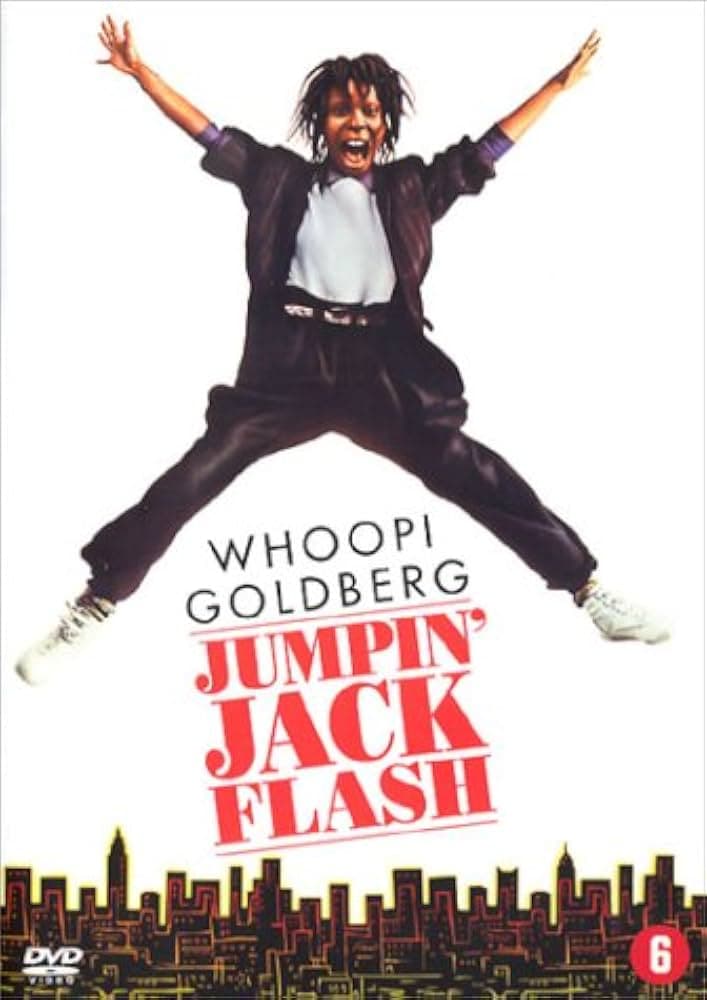
1986
Jumpin' Jack Flash
Jumpin' Jack Flash: our relationship with technology and freedom, and why this 1986 movie still matters.
Read our take →
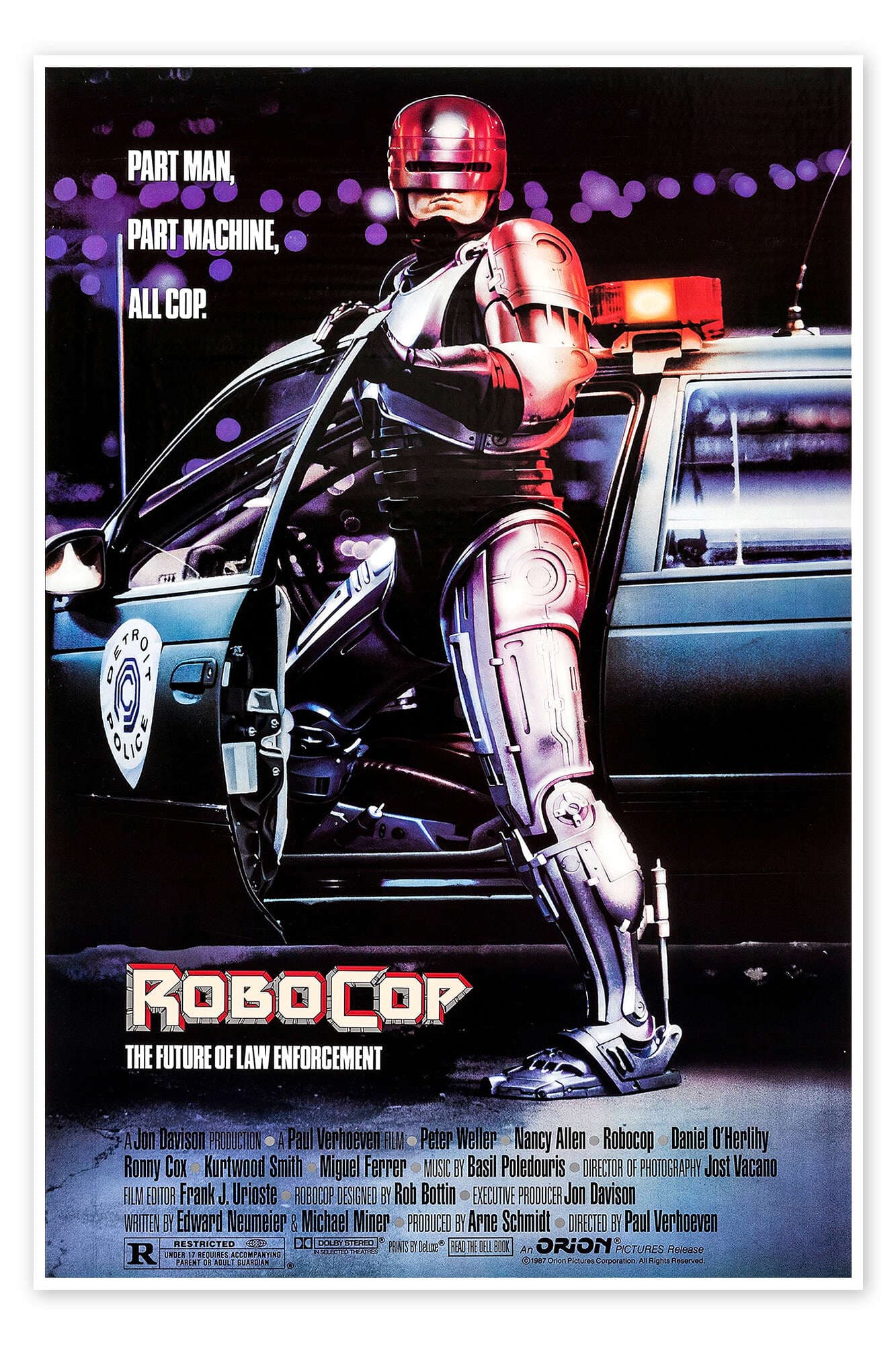
1987
RoboCop
A murdered cop rebuilt as a product — RoboCop still asks who gets to sell justice.
Read our take →
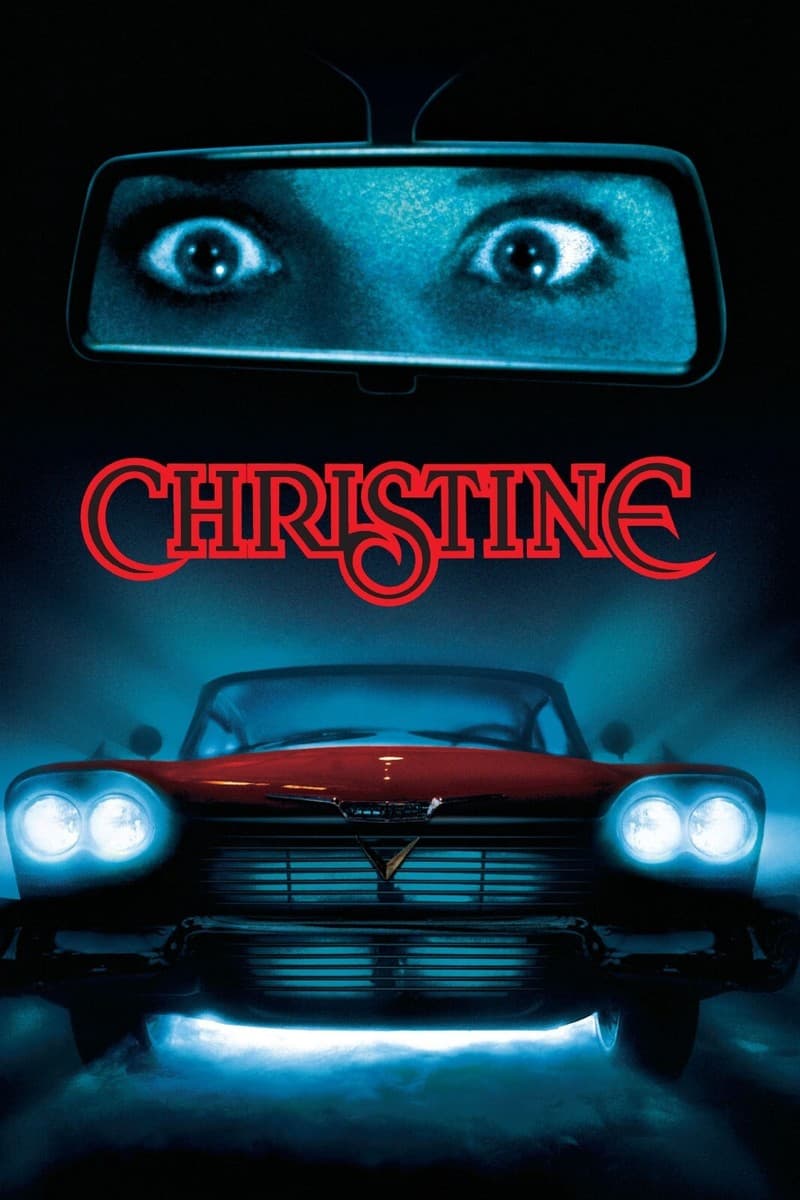
1983
Christine
Obsession, adolescence and a car that won't let go.
Read our take →