The setup
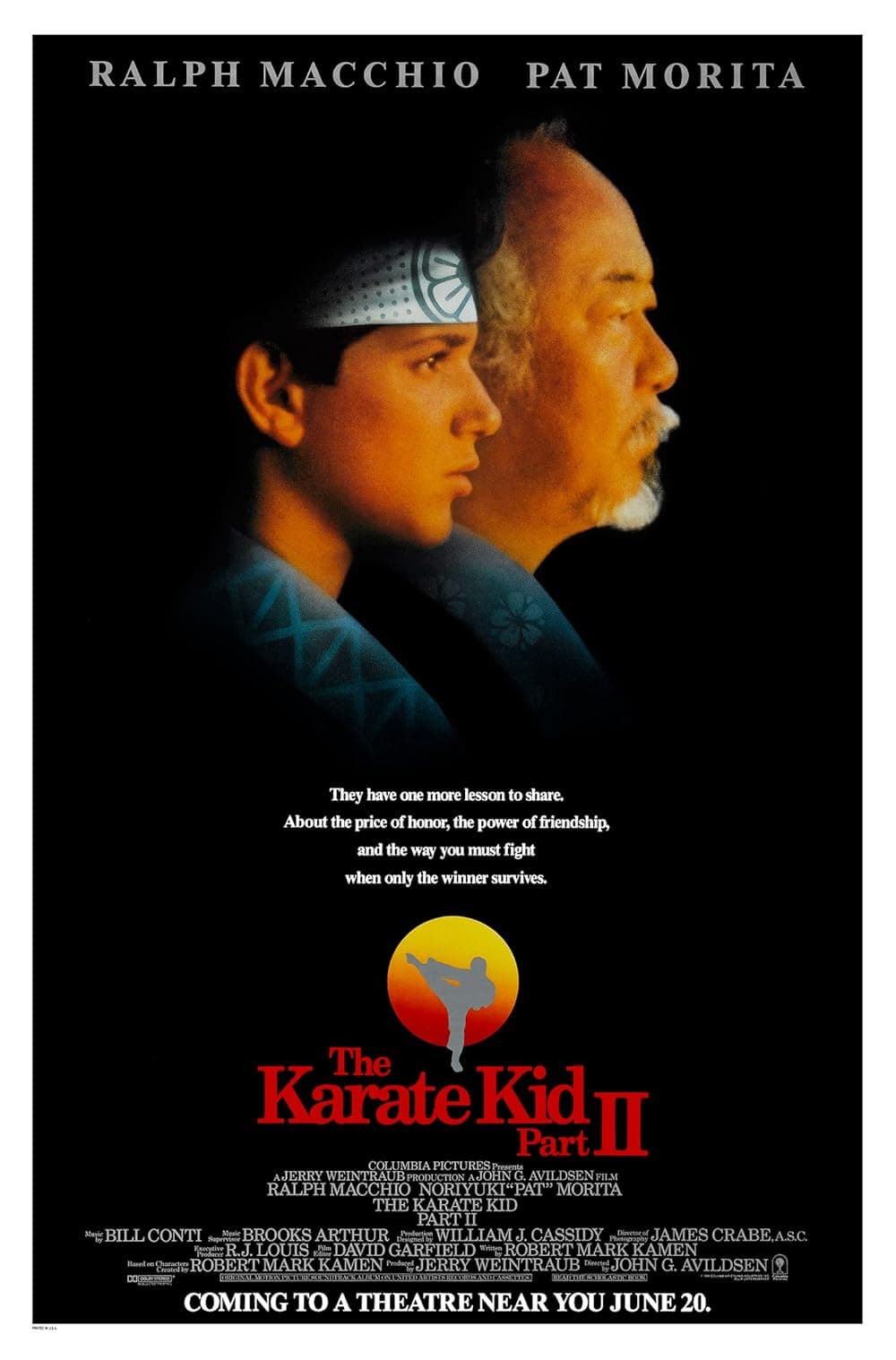
The Karate Kid Part II is the rare sequel that answers the question “What next?” by taking its pupil back to his teacher’s past. Instead of another tournament, it asks what loyalty and honour cost when old grudges are still alive — and hands Daniel LaRusso a very different set of lessons to learn.
THE MOVIE
Daniel LaRusso is still the reason this movie works
The Karate Kid Part II shifts the axis of the series. Where the first film was about a kid learning to stand up for himself in California, the sequel sends Daniel LaRusso to the place Mr. Miyagi calls home after the old man receives news about his dying father.
That move is more than a postcard trick. Miyagi’s return reopens a decades-old rivalry with Sato, and the personal history between those two men — the kind of honour-tinged grievance that refuses to stay buried — becomes the engine of the film.
So yes: it’s still Daniel’s story. Ralph Macchio’s character remains the outsider and the learner, watching, absorbing and trying to practise the restraint Miyagi preaches while being pulled into someone else’s family obligations. Under John G. Avildsen’s direction, the sequel keeps its eye on mentorship and the costs that come with it.
THE SETUP
The idea that sets The Karate Kid Part II in motion
The simplest engine here is straightforward: Daniel and Miyagi travel from Southern California to Miyagi’s home territory after word arrives that Miyagi’s father is dying. That journey drops a young American into another man’s long personal history.
Once in Miyagi’s country, an old friendship turned feud with Sato reasserts itself. The intimacy of that past — people, debts, loyalties — creates pressure Daniel didn’t sign up for and places the teacher in the middle of obligations he can’t easily walk away from.
The film escalates that pressure with two big set pieces: a local festival and a violent storm. These are not just window dressing; the O-bon–style celebration and an approaching typhoon do narrative work, forcing confrontations into public view and ratcheting up stakes that can’t be contained.
Small story mechanics also carry the film. Miyagi’s family technique gets a cultural knot — a den-den daiko drum that becomes part lesson, part plot device — and a land-versus-industry conflict (Sato’s trawlers) gives the village a clear, tangible threat.
THE CHARACTER
Why Daniel LaRusso matters
Ralph Macchio’s Daniel still stands where he did in the first film: on the edge of action, learning how to be more than a fighter. In Part II that learning leans heavily toward compassion and restraint; his growth is measured as much in what he doesn’t do as in what he does.
That outsider quality is useful here. Daniel watches Miyagi navigate obligations that predate him, and through his eyes the audience sees the human cost of old feuds and the quiet grammar of honour.
The film also pairs Daniel with a local young woman, Kumiko, whose presence turns some of his lessons into something tender and instructive. She helps translate not only culture but rhythm — literally teaching a dance-based counter to Miyagi’s technique.
Finally, having an antagonist like Chozen — a figure driven by family honour and devotion to Sato — gives Daniel a foil who isn’t merely a bully but a product of the same code the film interrogates.
THE PERFORMANCE
Why Pat Morita's performance matters
Contemporary reviewers singled out Pat Morita as the emotional centre of the film, and that’s not hyperbole. The sequel is explicitly built around Miyagi’s past, and Morita’s presence is what keeps the film anchored when it moves from the familiar California dojo to the more complicated terrain of family history.
Part of the movie’s steadying force comes from the relationship that carries over from the first film: the chemistry between Macchio and Morita. Critics noticed it then and it continues to sustain the sequel; their dynamic makes the mentorship feel lived-in rather than merely programmatic.
Because the story asks Miyagi to be both teacher and a man accountable to old promises, the performance’s centrality isn’t decorative. It’s the hinge on which the film’s themes swing.
So whether the script leans into romance, storm sequences or village politics, the film consistently comes back to that one dependable line: Miyagi matters, and Morita’s performance is how the film explains why.
UNDER THE SURFACE
The Karate Kid Part II has more on its mind than the plot suggests
On the surface it’s a sequel with karate and confrontation. Underneath, it’s a film about what teachers owe their pupils and what they owe their pasts. Mentorship here includes messy obligations, not just inspirational aphorisms.
The picture is also a coming-of-age told through contact with another culture and a budding romance. Daniel’s initiation is less about winning and more about learning how to move respectfully through someone else’s traditions.
Filial obligation threads through everything: Miyagi is propelled by duties to his family and by unresolved history, and those loyalties complicate the clean moral choices a hero story often promises.
Finally, the movie stages an argument about revenge and forgiveness. Several characters live under codes of honour that demand retribution; the film keeps asking whether retaliation is inevitable or whether restraint can be its own, harder kind of courage.
THE FILMMAKING
How The Karate Kid Part II was put together
When the story needed to feel like a real village, the production committed to it: the art department built a multi-house Okinawan village on Oahu, complete with coral-rock dressing and seven replica houses. That physical investment helps sell the film’s shift in scale and stakes.
John G. Avildsen kept the sequel rooted in character, and the production choices support that aim. The sets are tactile and lived-in rather than postcard-perfect, which helps the human conflicts land.
Fight choreography was another deliberate craft choice. Pat E. Johnson—credited as choreographer—shaped the fights and stunts, which means the film treats martial sequences as choreography serving story, not just spectacle.
Those practical production decisions give the sequel a specific identity: it’s an 80s franchise film that still tries to feel grounded in place and human detail.
PRACTICAL EFFECTS
The effects work that gives The Karate Kid Part II its physical personality
The village wasn’t an illusory backdrop; the production constructed a full seven-house set on Oahu and dressed it to suggest traditional materials and textures. That hands-on approach matters when the film asks the location to be the scene of public reckonings.
For sequences that needed environmental menace — the storm and staged collapses — the production used practical techniques rather than off-screen conjuring. Special-effects personnel and a practical approach were credited for handling typhoon sequences and set collapses.
Fight scenes also relied on trained choreography and martial-arts experience in the cast. The choreography team staged set pieces with technique in mind, and notes indicate the actor who plays Chozen held a brown belt, which shaped how those confrontations played out.
All of this keeps the movie tactile: the danger feels physical because the crew made it so, and that solidity supports the emotional beats the story asks us to accept.
PURE 80S
The Karate Kid Part II could not belong to any other decade
Released in 1986, the film belongs to an 80s habit of franchised sequels looking to deepen characters by relocating them to more ‘exotic’ backdrops. Sending Daniel to Miyagi’s homeland is very much an era move: expand the world, expand the stakes.
It’s also a sequel that leans on familiar underdog/mentor sensibilities. Reuniting director John G. Avildsen with composer Bill Conti tied the film to a tonal lineage of films where the teacher-and-student relationship matters more than slickness.
And, of course, the movie came with a mainstream pop tie-in: the Peter Cetera single associated with the film is emblematic of 1980s cross-promotion, when adult-pop singles helped a picture live beyond the cinema.
Those choices — sequel expansion, familiar creative partnerships and pop single crossovers — mark the picture as a product of its decade in a way that feels purposeful, not merely nostalgic.
WATCHING IT NOW
What has aged — and what hasn't
Looking back, most commentary still praises Pat Morita’s central turn and the film’s effort to deepen Miyagi’s backstory. That focus on character gives the sequel an emotional core that remains accessible.
At the same time, modern viewers sometimes find cultural portrayals and the villains’ characterisations simpler than today’s audiences might expect. The film trades subtlety for the clear moral codes that drive its feud-based conflicts.
Part of why it still gets noticed is practical: later franchise revivals bring characters from this film back into the contemporary conversation, which keeps its moments in circulation.
And certain story devices — Kumiko’s role, the den-den daiko drum as a teaching tool, the journey that forces Daniel into unfamiliar customs — still feel narratively honest. They’re the pieces that let the personal beats survive changing tastes.
THE LEGACY
Why The Karate Kid Part II still matters
Part II matters because it broadened the franchise’s emotional map. As a direct sequel to the 1984 film, it didn’t just repeat the formula — it added family history and new characters that the series later returned to.
One clear piece of legacy is character revival: Chozen Toguchi, introduced here, was brought back decades later in the television continuation, with original actors reprising their roles and tying this chapter back into the present-day narrative.
The film also left a musical footprint. The Peter Cetera single associated with the film became a major pop hit and even earned an Academy Award nomination for Best Original Song, keeping the movie’s name in popular ears.
Taken together, these strands — characters, narrative choices and a charting single — explain why Part II persists in franchise memory rather than vanishing as an afterthought.
THE VERDICT
Does The Karate Kid Part II still hold up?
Yes — but with a small, honest rider. If you come for spectacle alone you may miss the point: this is a sequel about responsibility, not rematches. The film sends Daniel and Miyagi to confront old loyalties, and much of the pleasure is in watching that moral work unfold.
The elements that make it worth watching remain intact. Daniel’s role as the compassionate outsider still provides a clear coming-of-age arc, Kumiko gives his journey real human texture, and the den-den daiko/drum lesson and dance-based counter-lesson are clever ways the film adapts Miyagi’s teaching to a new context.
Structurally, the film leans on festival and typhoon set pieces to force public reckonings, and it stages the Sato–Miyagi feud so that the stakes feel both personal and communal. That blend of private history and public display still gives the movie real dramatic teeth.
If you’re curious about 80s sequels that tried to do more than copy their originals, or if you want to see a film that places mentorship and honour at its centre, this is worth the watch. It isn’t flawless — contemporary critics offered mixed views on some villains and plot choices — but its heart and purpose are plain and, crucially, earned.
Share this movie
Keep watching
More movies from the 80s
1986
Jumpin' Jack Flash
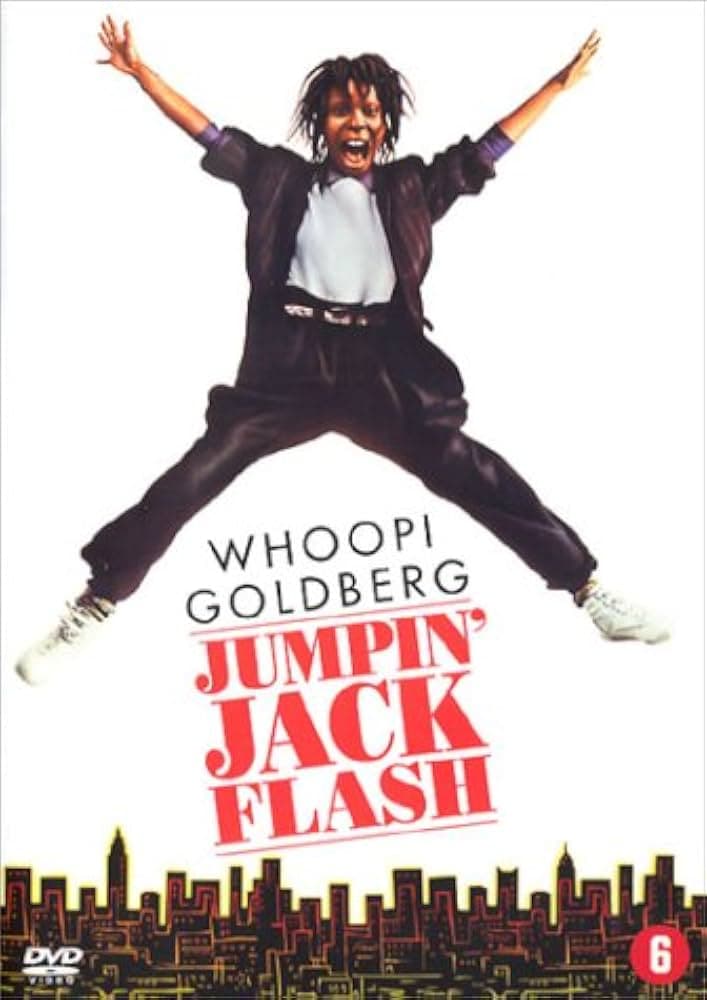
Jumpin' Jack Flash: our relationship with technology and freedom, and why this 1986 movie still matters.
Read our take →
1987
RoboCop
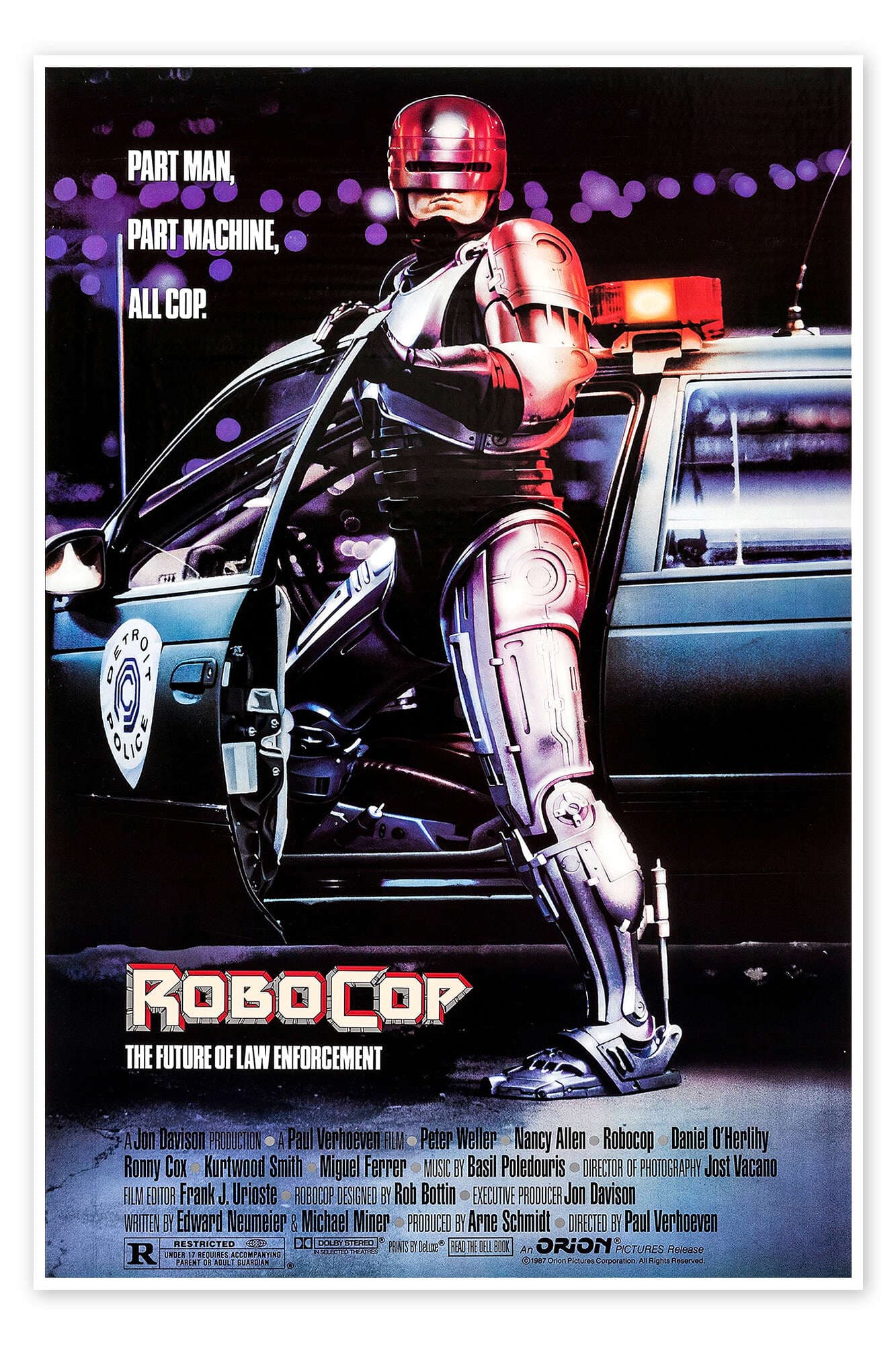
A murdered cop rebuilt as a product — RoboCop still asks who gets to sell justice.
Read our take →
1983
Christine
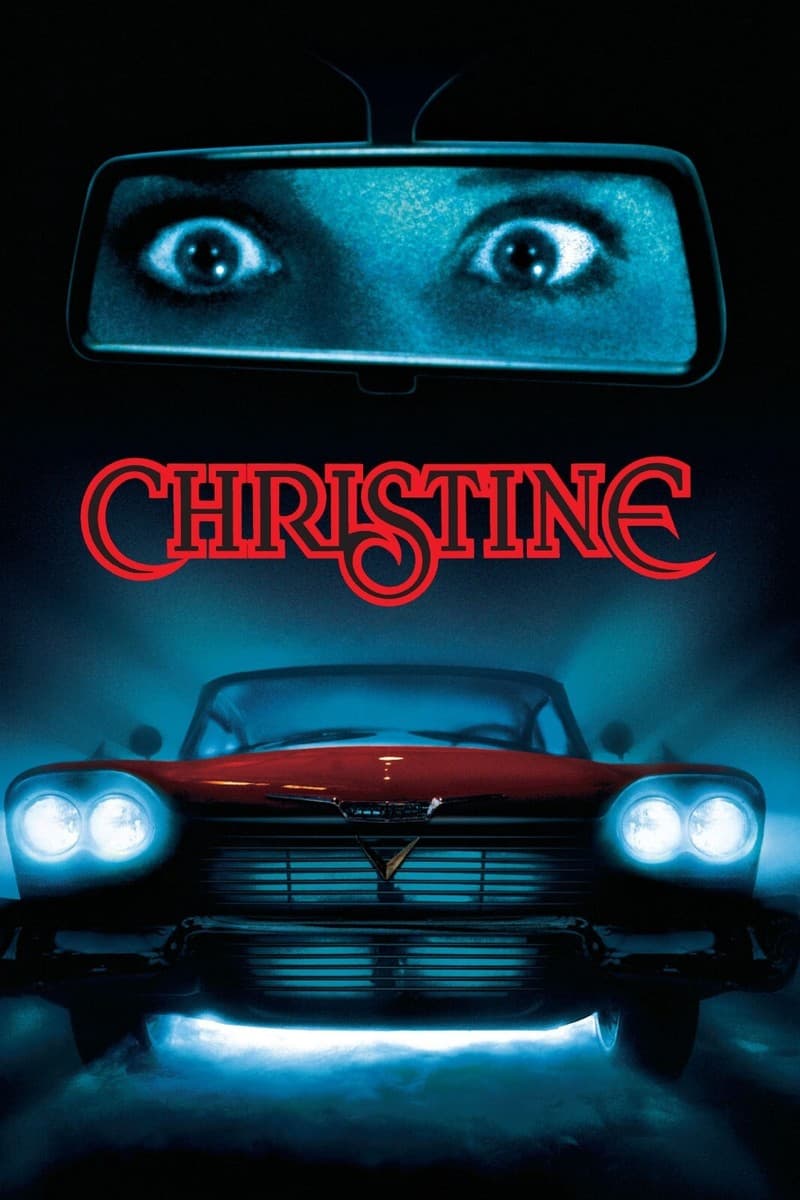
Obsession, adolescence and a car that won't let go.
Read our take →