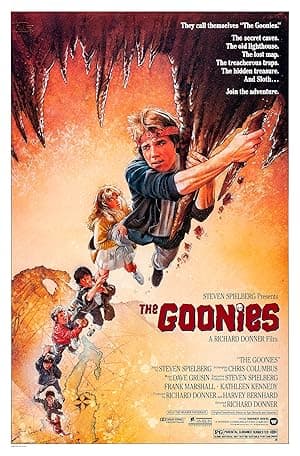
The setup
You don't need to have grown up in Astoria to know the feeling The Goonies traffics in: a gang of mates who treat a dodgy treasure map as the only possible answer to grown-up problems. Directed by Richard Donner and released in 1985, it's a family adventure that stitches booby-trapped set pieces to a very specific sort of childhood loyalty.
THE MOVIE
Michael "Mikey" Walsh is still the reason this movie works
The engine that keeps The Goonies moving isn't the pirate treasure itself but the stubborn, slightly choking insistence of Michael “Mikey” Walsh — the kid who refuses to accept that his neighbourhood can be written off. That refusal is the simple, stubborn lever the movie uses to turn a found map and a 1632 doubloon into an all-or-nothing adventure.
So you get the pleasures you'd expect from an 80s treasure-hunt: a group of friends from the Goon Docks, a cracked map in the attic and an escalating series of scrapes that test loyalties. But what pulls the story through is how that map sits on top of something sharper: the kids trying to save their homes from being lost.
Richard Donner directs at that brisk family-adventure clip the mid-80s loved. Sean Astin, playing Mikey, is the nerve centre — the little voice that turns treasure-hunting into a last-ditch attempt to hold a childhood together.
THE SETUP
The idea that sets The Goonies in motion
At its simplest: kids find pirate artefacts in an attic — a doubloon and a map — and decide to follow it. The premise is compact and clever because it marries two clear pressures: a whiff of genuine danger underground and a very adult problem above ground — the risk of losing the neighbourhood to foreclosure.
That mixture gives the treasure hunt meaning beyond thrills. The map isn't a toy; it's Mikey and co.'s shot at stopping the adults from tearing their lives apart. Once that stake is in place, every chase and narrow escape carries weight.
The film stages that weight as a series of puzzle-and-trap set pieces. Booby-trapped tunnels, drawbridges and scales that trigger hazards keep the pace propulsive and give the group repeated chances to argue, help one another and invent their way out of trouble.
All of this peaks in a pay-off that depends on the film’s physical work: a full-size pirate ship and complementary scale models and optical shots that turn the idea of a hidden treasure into a proper cinematic revelation.
THE CHARACTER
Why Michael "Mikey" Walsh matters
Mikey is the little engine that keeps everyone else moving. Sean Astin plays the asthmatic, idealistic kid whose need to save the Goon Docks gives the group a mission that feels urgent rather than merely fun.
His relationship with Brand — the older brother who acts as reluctant protector and has his own life and romantic thread — keeps Mikey anchored. Brand’s athleticism and his connection to Andy give the film a sensible older-kid counterweight to Mikey’s headlong faith.
The point of making Mikey the emotional centre is straightforward: he transforms a treasure hunt into a found-family test. The movie measures the gang by whether they answer his call, and that, more than any map, is what binds them.
That setup is classic 1980s coming-of-age territory — a group of youngsters pushed into a formative adventure where loyalties are defined by what they do under pressure.
UNDER THE SURFACE
The Goonies has more on its mind than the plot suggests
There’s a greedy fun surface to The Goonies — traps, a pirate ship, the frantic comedy of friendship. But under that, the film keeps returning to the idea of crew loyalty. Childhood camaraderie is the currency here: when the chips are down, the kids act like a family because, in many cases, they are one.
The film also wears its economic grievance openly. The treasure hunt is fuelled by a very grown-up threat: homes on the line. That anxiety about losing your place to live gives the adventure stakes that feel, for the characters, very real indeed.
Treating adventure as a rite of passage lets the story do two things at once. It’s a map-led romp, yes, but every trap, argument and rescue is also a test: can these kids make adult choices when adults are failing them?
And because the gang behaves like a found family, moments of loyalty read as survival tactics and love at the same time — you protect your mates, you protect your home.
THE FILMMAKING
How The Goonies was put together
A lot of what makes The Goonies feel like a proper movie — rather than a home-video caper — is the scale behind it. Production designer J. Michael Riva built the cavern and a full-size pirate ship on studio stages, while the film also used locations on the Oregon coast to set the neighbourhood in place.
Those soundstage constructions matter because the story asks for space: the set-piece tunnels, the Inferno reveal and the final sequences all need believable scale to land. The combination of constructed sets and on-location shooting keeps the action both intimate and cinematic.
On the crew side, the film had experienced hands in key places: Michael Kahn on editing and Nick McLean as cinematographer, with Dave Grusin providing an original score and a soundtrack that mixes score with pop songs of the era.
All of this reads as neat evidence of the movie’s studio pedigree — a mid-80s family-adventure built to deliver spectacle without losing the kids at the centre.
PRACTICAL EFFECTS
The effects work that gives The Goonies its physical personality
The movie mixes full-size, walk-through sets with model and optical work to sell the fantasy. Industrial Light & Magic contributed matte paintings and produced roughly twenty visual-effects shots alongside a highly detailed scale model of One-Eyed Willy’s ship.
That model-making sat alongside the studio-built cavern and the full-size Inferno so the film could cut between intimate, playable sets and shots that made the ship read as something bigger than the stage.
The result is a practical-minded blend: close-up action on constructed sets, and model or optical work for the distant reveal and sailing plates. It’s a pragmatic approach that serves both the story’s needs and the era’s production toolbox.
When the ship shows up, the film relies on that hybrid to deliver a proper cinematic moment — one that feels grounded because you’ve already seen the kids climb and crawl inside the same world.
PURE 80S
The Goonies could not belong to any other decade
There’s a mid-80s blueprint stamped on The Goonies: a studio-backed, effects-forward family adventure shaped by the kind of high-concept storytelling Amblin and its peers favoured at the time. It’s very much a product of a Hollywood moment that knew how to sell childhood spectacle.
That showbiz confidence turns up in the way the film balances original score and pop songs, and in the production choices — big soundstage builds, ILM model work and location shooting that together give the movie both intimacy and scale.
It’s also a coming-of-age story in the specific sense the 1980s loved: a gang of kids thrown into an adventure that doubles as a test of their characters and friendships. The timing — released in 1985 — puts it squarely in the middle of that trend.
Taken together, those elements make The Goonies feel of its era in a way that’s more than nostalgia; it’s a demonstration of how 80s studios made family spectacle feel like an event.
WATCHING IT NOW
What has aged — and what hasn't
Some elements still land: the story’s emotional spine — kids banding together to protect their homes and each other — remains straightforward and immediate. That core theme of childhood camaraderie and found family still gives the film its heart.
Other aspects are more awkward today. Contemporary records show that the depiction of the Fratelli family prompted protests from Italian-American organisations and anti-defamation groups shortly after release, and that criticism is still part of how people talk about the movie now.
Acknowledging that does not erase what works but it does complicate the pleasure. The film’s adventurous engine and the kids’ bonds hold up as storytelling devices, while the portrayals that provoked complaints deserve noticing and context.
So when you watch it now, you get both: a compelling group-adventure whose core feelings survive, and some character choices that modern viewers will rightly view with a critical eye.
THE LEGACY
Why The Goonies still matters
The film’s place in film-history conversations is partly custodial: in 2017 the Library of Congress added it to the National Film Registry, marking it as a title worth preserving for its cultural, historical or aesthetic value.
Locally, the movie has made a tangible imprint: Astoria built sustained fan events and tourism around the picture, including an annual 'Goonies Day' tied to its release date — that’s a rare kind of hometown afterlife for any film.
There are also material traces of the production’s craft: Industrial Light & Magic’s Inferno model later found its way into museum contexts, a reminder that the film’s practical artistry became collectible.
And the story keeps moving forward: sequel development was reported to have advanced in early 2025, with a writer hired and original producers named as involved — proof that the film’s world still prompts new pages to be written.
THE VERDICT
Does The Goonies still hold up?
Yes — with caveats. The Goonies still works as a piece of family entertainment because its central bargain is so simple and forceful: a gang of kids trying to save their homes, driven by Mikey’s refusal to give up. That emotional premise turns a string of sensational set pieces into something that feels earned.
The mechanics — treasure-map inciting incident, the Fratelli complication, a succession of traps and escapes, and the reveal of a full-size ship — still make for a savoury, pacey 114 minutes of adventure. The production choices that stitch those moments together give the big beats the weight they need.
But this is also a film that carries its era. Some portrayals have aged poorly and deserve scrutiny, and that context should sit alongside the nostalgia. Appreciating the movie now means holding both pleasures and problems in view.
If you’re wondering whether to show it to kids or revisit it yourself, treat it as an energetic, heartfelt relic: a mid-80s family adventure where Mikey’s belief in his friends is the thing that keeps the whole map pointing north.
Share this movie
Keep watching
More movies from the 80s
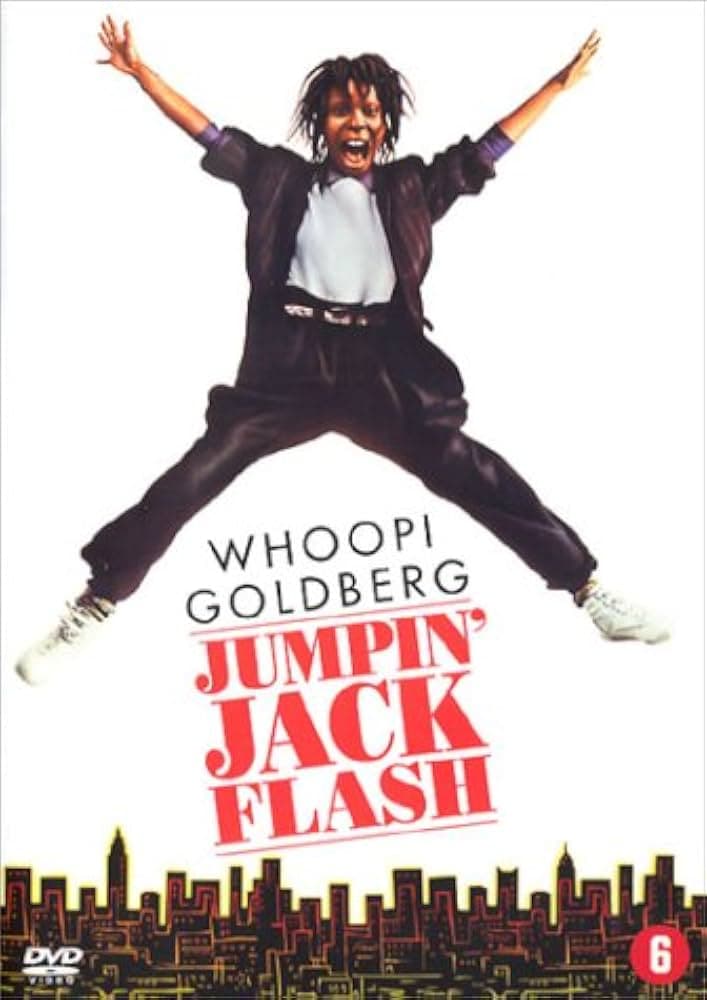
1986
Jumpin' Jack Flash
Jumpin' Jack Flash: our relationship with technology and freedom, and why this 1986 movie still matters.
Read our take →
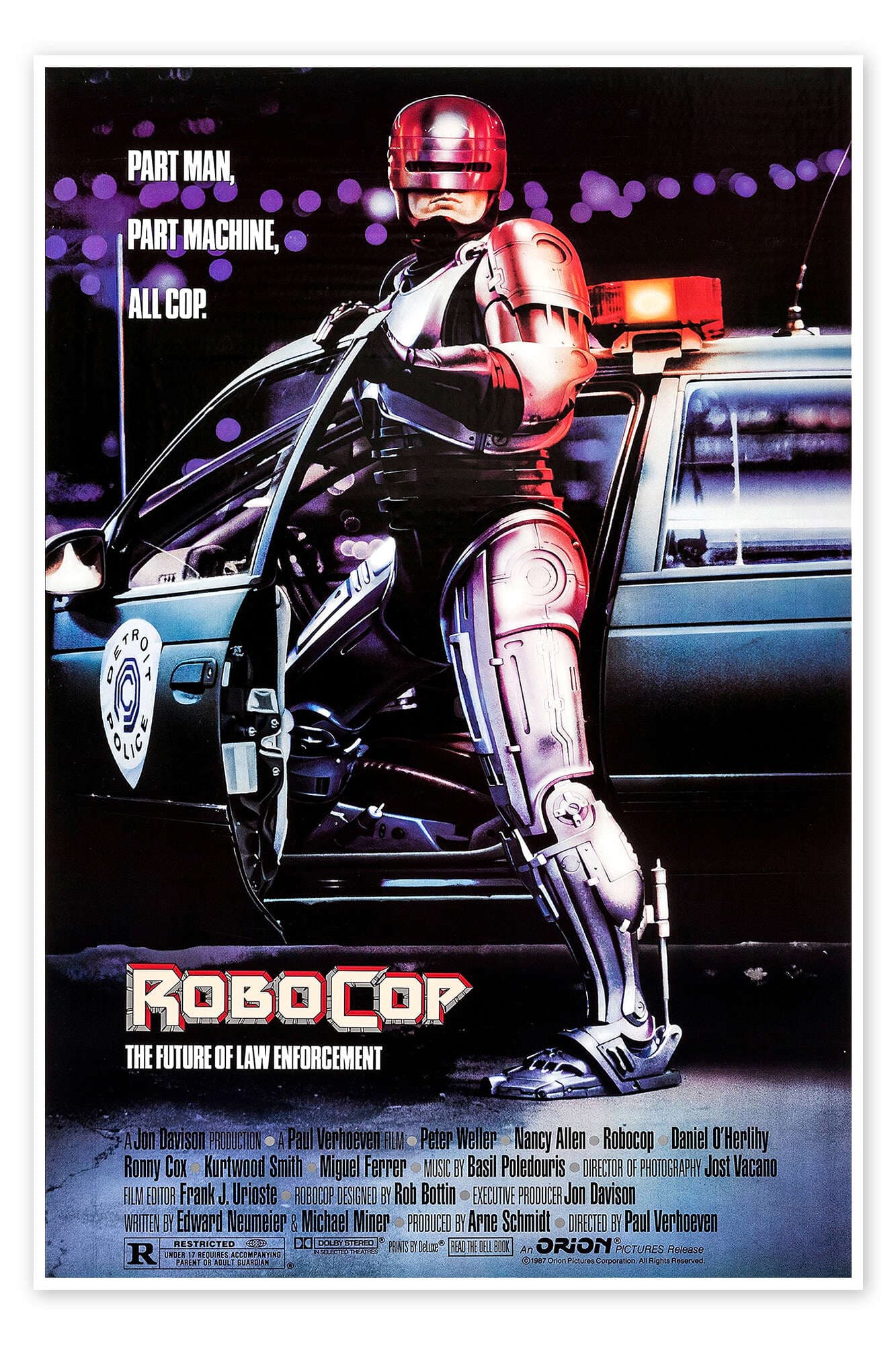
1987
RoboCop
A murdered cop rebuilt as a product — RoboCop still asks who gets to sell justice.
Read our take →
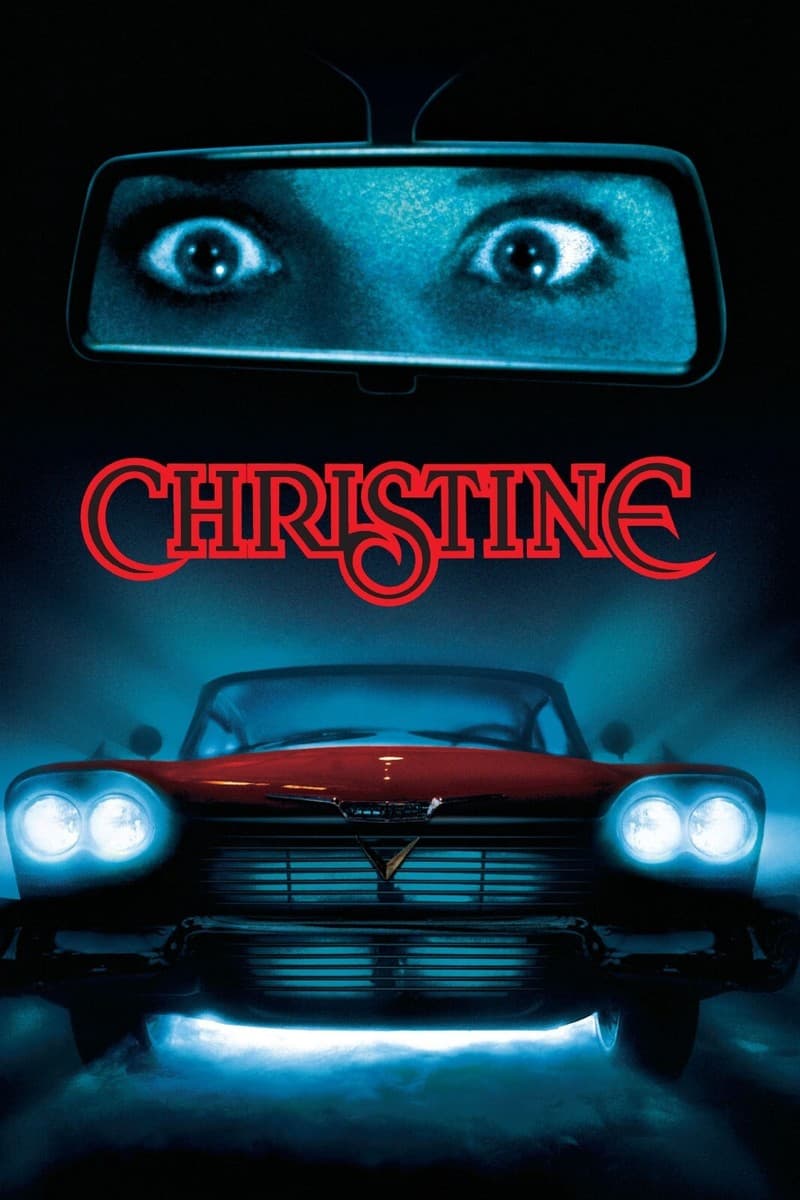
1983
Christine
Obsession, adolescence and a car that won't let go.
Read our take →