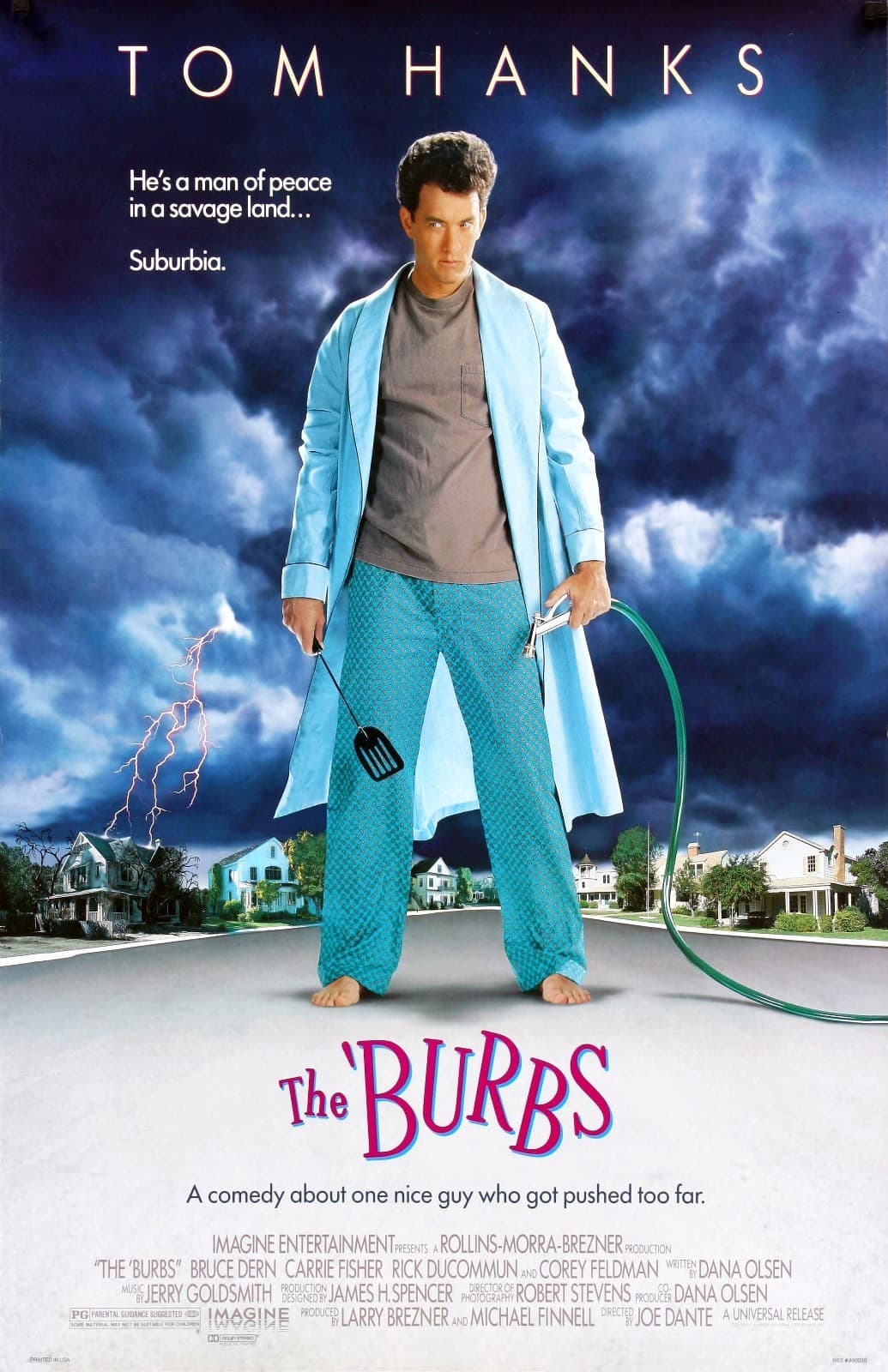
The setup
The 'Burbs is best remembered as a neighbourhood slowly unravelling around a man who'd rather play detective than switch off. Joe Dante's late-80s dark comedy turns a cul-de-sac into a laboratory for gossip, boredom and escalating bad decisions — and it keeps asking whether fear of outsiders can become its own kind of menace.
THE MOVIE
Ray Peterson is still the reason this movie works
Imagine using your holiday to keep an eye on the neighbours. That is the compact insistence at the heart of The 'Burbs: Ray Peterson wakes in the night, follows a mysterious light, and finds himself looking back through someone else's window. It’s a small, absurd choice that quickly tells you everything you need to know about the film’s mood.
Joe Dante rigs a suburban stage where suspicion is the main currency. Ray is not an adventurer; he’s a bored, overstressed husband who’d rather spy on the cul‑de‑sac than relax with his family. That makes the film less about monsters outside the house and more about the odd, comic danger of people who start believing their own rumours.
Tom Hanks plays Ray Peterson, anchoring a story that runs for roughly 102 minutes and moves between comedy, mystery and a touch of thriller. The result is a neighbourhood comedy that refuses to be cosy.
THE SETUP
The idea that sets The 'Burbs in motion
The engine is simple and charmingly domestic: Ray notices odd activity and lights in the run‑down house on his cul‑de‑sac and grows suspicious. That first twitch of curiosity — a man at a window, a light in a basement — is the inciting image that turns idle gossip into a project.
What follows is escalation. Neighbours move from backyard chatter to organised surveillance: stakeouts, peeking through hedges, and worse. The film treats those set pieces like a parade of increasingly unreasonable community responses.
Their amateur investigation eventually tips into physical action. The group break into the house and even dig in the yard after finding things that don’t sit right with them. It’s a logical, if foolish, escalation — small-town sleuthing given a collective push.
All of it funnels toward a climactic, nocturnal encounter in the Klopeks' cellar: the neighbourhood’s curiosity becomes the plot’s motor, and the question moves from 'what are they hiding?' to 'how far will people go when fear goes unchallenged?'
THE CHARACTER
Why Ray Peterson matters
Ray is the anchor you can trust to be conflicted. He’s not a detective by trade — he’s a stressed, bored husband on holiday who ends up using his time to spy on the neighbourhood instead of relaxing with his family.
That domestic restlessness matters because it makes Ray believable; the film never pretends he’s out to save the world. He’s an ordinary bloke who stumbles into extraordinary suspicion.
Because Ray is the story’s point of view, we experience the slide from reasonable concern to shared paranoia. The choices he makes — petty, anxious, quietly embarrassing — are the engine that drags the rest of the cul‑de‑sac along.
Tom Hanks plays Ray Peterson, and the part is written as a recognisable, midlife figure: tired, restless and suddenly mobilised by a puzzle on his own street.
THE PERFORMANCE
Why Tom Hanks's performance matters
A steady comic centre is essential for a film that bounces between dark gags and outright suspense. Contemporary and later reviewers have singled out Tom Hanks's comic timing as the stabilising element that keeps the tonal seesaw from collapsing.
Put simply: when the neighbourhood starts to look ridiculous or dangerous, Ray’s reactions give the audience somewhere to go. His pacing and rhythm in key moments hold together the film’s blend of humour and tension.
That balance is crucial because The 'Burbs asks us to laugh at the neighbours and worry about them in the same breath. Hanks’s timing makes that duality feel intentional rather than messy.
So even if the plot leans on farce or paranoia, the movie’s equilibrium comes from the centre: the man watching through the window.
UNDER THE SURFACE
The 'Burbs has more on its mind than the plot suggests
On the surface it’s a neighbourhood whodunnit. Beneath that there’s a satirical thread about how communities police themselves: suspicion of outsiders easily mutates into active policing by ordinary people.
The film is also about boredom and midlife malaise. These aren’t abstract notes — they explain why otherwise sensible people start treating a shabby house like a crisis in need of solving.
Groupthink drives much of the action. One neighbour’s worry becomes everyone’s mission, and what began as curiosity becomes a self-justifying crusade.
Taken together, those elements make the movie less a mystery about what’s in the cellar and more a dark comedy about how fear and idle time push people toward ridiculous, sometimes dangerous, behaviour.
THE FILMMAKING
How The 'Burbs was put together
Dante’s film wears its intentions lightly: technically competent and unobtrusive where the story calls for it, and a little more mischievous when the neighbourhood set pieces kick in.
The production employed Panavision cameras and lenses, giving the film a professional, widescreen television‑friendly look, while selected theatres carried Dolby Stereo sound for fuller audio impact.
Joe Dante collaborated with production designer James Spencer to create the cul‑de‑sac as a stylised domestic stage—part suburban normality, part lovingly skewed B‑movie set piece.
Those choices let the movie move from quiet domestic moments to comic, slightly macabre sequences without ever feeling disjointed.
PRACTICAL EFFECTS
The effects work that gives The 'Burbs its physical personality
Even as a suburban comedy, The 'Burbs calls on physical and optical tricks to sell its set pieces. The opening sequence, for instance, included visual effects supplied by Industrial Light & Magic.
A dedicated practical effects supervisor and a named special effects crew handled the film’s tangible set pieces, helping the story feel firmly physical rather than purely staged.
The production also relied on a substantial crew of stunt performers and practical makeup artists to carry the film’s physical comedy and stunt work.
All told, the practical side keeps the movie tactile: when something goes wrong on screen you sense the hands and bodies that made it happen.
PURE 80S
The 'Burbs could not belong to any other decade
Released in February 1989, The 'Burbs comes at the tail end of Joe Dante’s late‑80s run of films that mixed domestic settings with uncanny or comic horror touches. It reads as the logical next step from that sensibility.
The film arrived in a market comfortable with black comedy and genre-mixing studio pictures, and at a moment when Tom Hanks's profile had grown after Big the year before, which shaped how audiences met the movie.
Dante’s approach — combining suburban normality with B‑movie oddness — feels of a piece with his other late‑80s work and helps the film occupy that unique studio space between mainstream comedy and mild macabre.
So while the story is timelessly about nosy neighbours, the way the film packages that idea is unmistakably late 1980s studio cinema.
WATCHING IT NOW
What has aged — and what hasn't
The 'Burbs has quietly built a modest cult appreciation over the years. Retrospective essays and specialty home‑video releases have picked over its darkly comic tone and ensemble, nudging the film into a small, devoted afterlife.
The film’s core idea — bored people inventing menace — still lands because it rests on believable neighbourhood dynamics rather than technology or fads that date fast.
Some performances, including smaller character turns such as Brother Theodore’s, remain memorable in the way character actors tend to be: they add texture without changing the movie’s structure.
All told, it’s a film that rewards viewers who like satire wrapped in suburban absurdity rather than those after a pure mystery or high‑concept thriller.
THE LEGACY
Why The 'Burbs still matters
When it opened on Presidents' Day weekend in February 1989, the film arrived at number one with a roughly $11.1 million four‑day opening — a reminder that it found an audience on first release.
Since then The 'Burbs has enjoyed multiple home‑video releases and specialty restorations, and it has been the subject of retrospective writing that reappraises its tone and cast.
The property’s later adaptation for television in the 2020s also underlines that the central idea — a neighbourhood turned darkly comic — remains usable and interesting to new storytellers.
Its legacy is therefore steady rather than towering: a film that kept enough distinctive personality to be revisited, rereleased and reinvented in other formats.
THE VERDICT
Does The 'Burbs still hold up?
Yes — if what you want is a dark, domestic comedy about what happens when ordinary people get bored, suspicious and theatrical. The film’s setup is economical: a man sees a light in a neighbour’s basement, begins to wonder, and takes the entire street along for the ride.
The pleasure comes from watching reasonable routines warp into amateur sleuthing: surveillance, stakeouts, a backyard excavation and a tense nighttime showdown in the cellar. Those set pieces still deliver because they’re driven by character choices, not spectacle.
Tom Hanks as Ray Peterson and Rick Ducommun’s Art — the friend who goads the group into action — give the film its forward motion; Hanks’s comic timing in particular keeps the tonal balancing act from toppling into either farce or straight scare.
If you’ve never seen it, watch it as a comedy about neighbourliness gone wrong. If you’re revisiting, you’ll notice how the movie stages paranoia as an invitation to make bad decisions. In short: it still works, and it reminds you that the scariest thing on a cul‑de‑sac is often the sense that everyone else has agreed the enemy exists.
Share this movie
Keep watching
More movies from the 80s
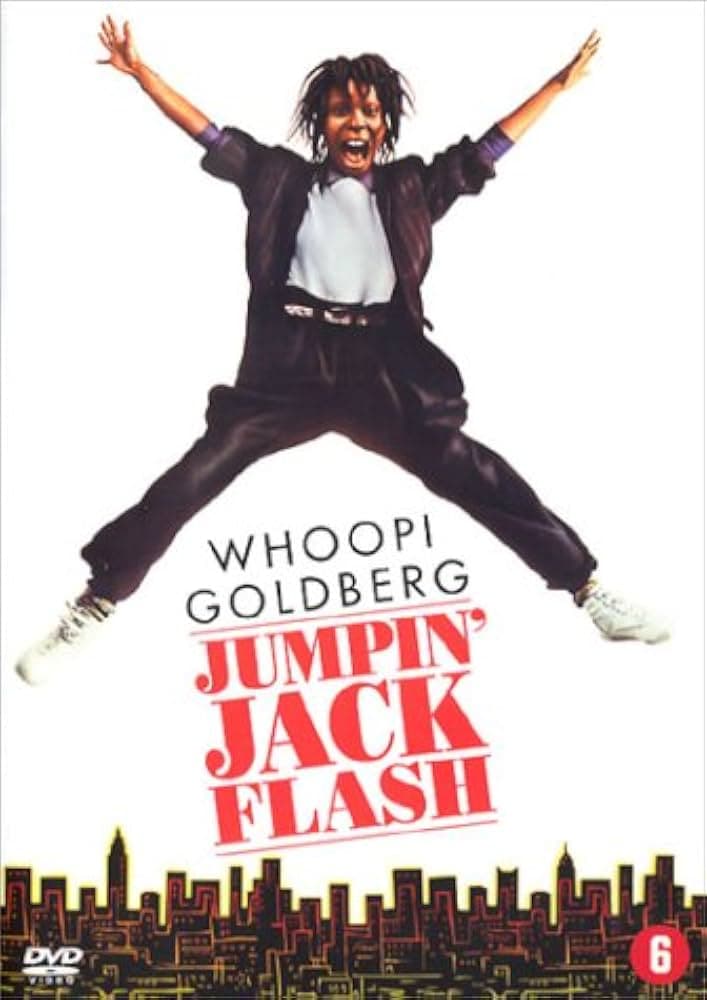
1986
Jumpin' Jack Flash
Jumpin' Jack Flash: our relationship with technology and freedom, and why this 1986 movie still matters.
Read our take →
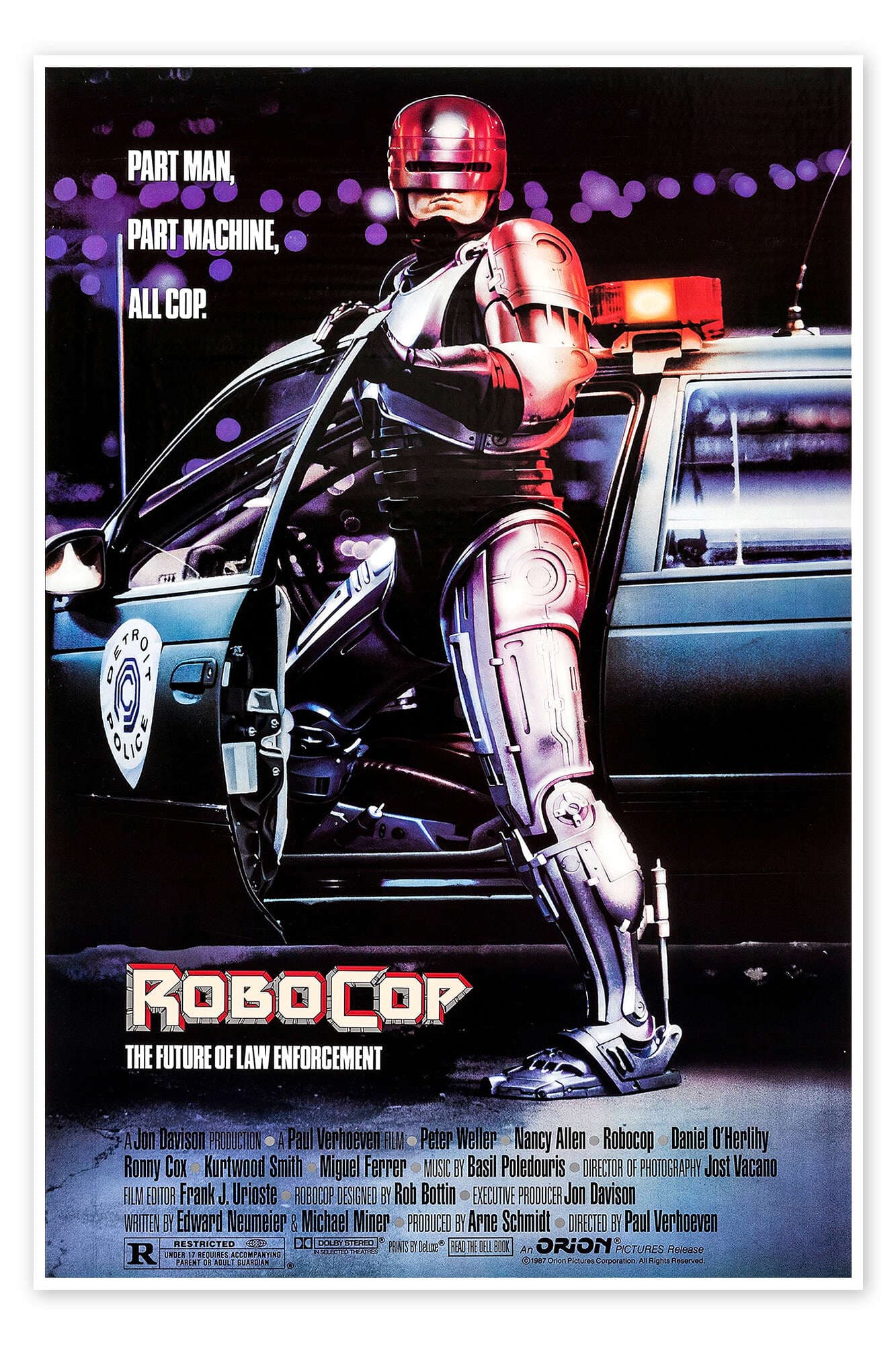
1987
RoboCop
A murdered cop rebuilt as a product — RoboCop still asks who gets to sell justice.
Read our take →
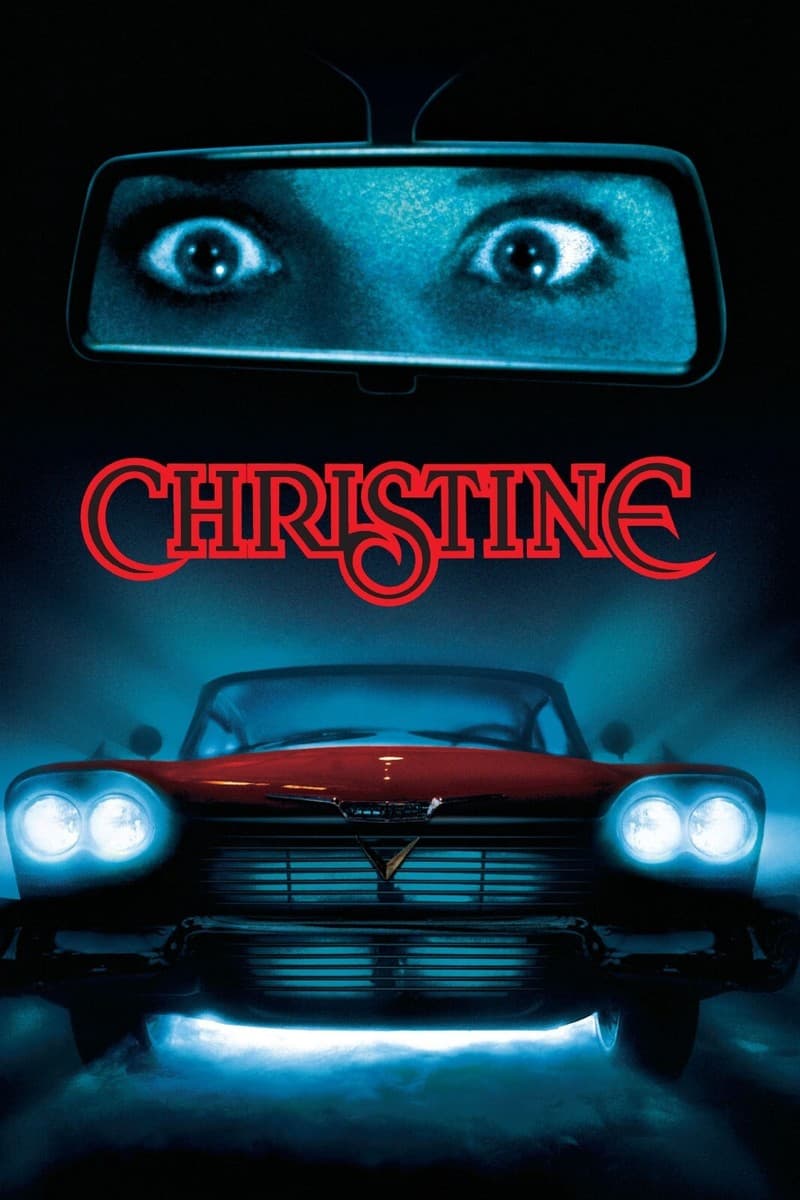
1983
Christine
Obsession, adolescence and a car that won't let go.
Read our take →