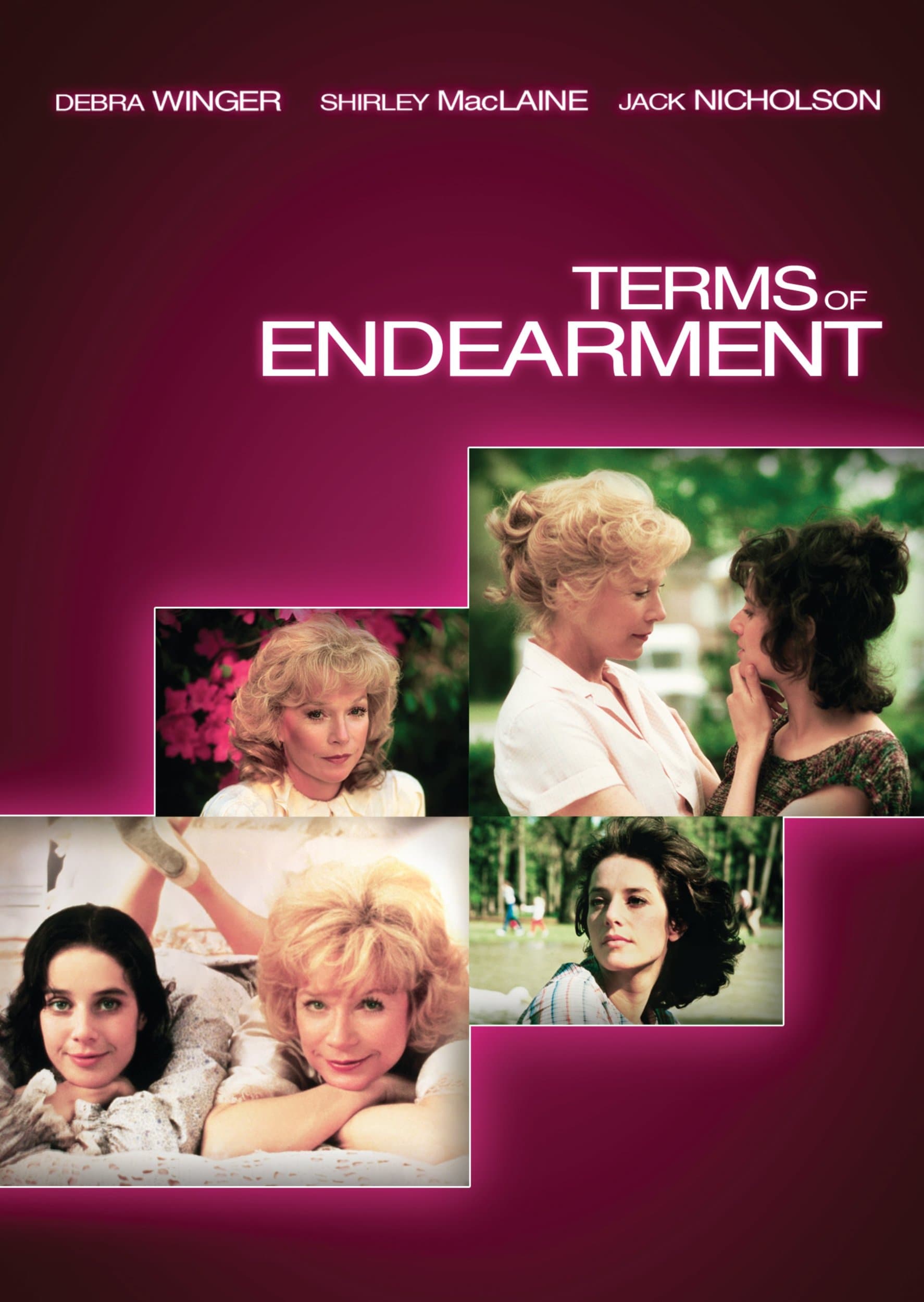
Terms of Endearment
A sharp, sentimental and sometimes infuriating love story — mostly between a mother and her impossible daughter.
The setup
Terms of Endearment is the kind of film you remember as much for one person as for its whole plot. James L. Brooks built a movie around a centre you can’t ignore: Aurora Greenway — a woman who keeps the family on course, whether they like it or not. Revisit it and you’ll find a domestic drama that oscillates between broad laughs and hard, honest caregiving.
THE MOVIE
Aurora Greenway is still the reason this movie works
People keep talking about Terms of Endearment because it centres on a relationship that’s both constant and combustible: Aurora Greenway and her daughter Emma, who the film follows across roughly thirty years. That long view gives room for petty feuds, repeated mistakes and real affection to accumulate until the small stuff feels consequential.
Aurora is, by design, a decorous, controlling widow; she’s obsessive about her family’s wellbeing and reputation and also quietly searching for companionship. That combination — a woman who insists on keeping standards and still wants company — is the movie’s liveliest engine.
James L. Brooks wrote, directed and produced the film, and he assembled a cast around that idea: Shirley MacLaine as Aurora, Debra Winger as Emma and Jack Nicholson as the brash neighbour who nudges Aurora out of reserve. The result runs for around two hours and twelve minutes, and it mixes comedy and romance inside a story built on family friction and caregiving.
THE SETUP
The idea that sets Terms of Endearment in motion
At its simplest the film is built on a sequence of domestic developments rather than a single plot twist. We see Aurora and Emma through decades: marriages, moves and the fallout from ordinary choices. That episodic sweep lets small decisions ripple through years.
Early on, Emma marries Flap Horton against Aurora’s instincts; that union — and its financial and emotional consequences — becomes a recurring source of strain. It’s not melodrama for its own sake, but a way of showing how life’s practicalities batter even affectionate bonds.
The story’s emotional pivot arrives when Emma is diagnosed with cancer. That turn pulls the family into caregiving, reconciliation and questions about mortality; it reframes everything that came before, which is why Brooks stages the film as a series of lives observed over time.
Narratively, Brooks relies on time jumps, relocations (including a move that puts the family in Iowa) and a focus on domestic detail to make the years feel lived-in rather than skipped over.
THE CHARACTER
Why Aurora Greenway matters
Aurora could easily have been a caricature: the meddling mother who always knows best. Instead, the film presents her as a decorous, controlling widow whose anxieties are recognisably human — she wants her family secure and respectable, and she doesn’t hide the fact that she longs for companionship.
That tension between propriety and loneliness gives Aurora texture. She fusses and judges because she thinks she’s protecting the people she loves; that makes her abrasive but also oddly endearing. The movie spends its time getting under that crust.
Because the film is anchored in mother–daughter conflict, Aurora’s judgements are never merely comic; they have consequences. Her attempts to manage Emma’s life drive much of the plot and force both women to confront independence and duty.
Aurora’s centrality was reflected at the time: Shirley MacLaine’s starring turn as the character sits at the core of the picture’s awards recognition, underlining how Brooks built the movie around this particular, complicated woman.
THE PERFORMANCE
Why Debra Winger's performance matters
Debra Winger’s Emma is presented as free-spirited and fiercely independent — someone who wants autonomy and, later, to protect and provide for her children. The film positions her as Aurora’s foil: less interested in social standing, more interested in living on her own terms.
Critics singled out Winger’s closing scenes for attention. Roger Ebert specifically praised her late-film moments, noting the emotional force they bring to the film’s endgame.
That late stretch matters because the story’s heavier beats rest on Emma’s choices and reactions; the audience needs to believe the shift from domestic squabble to caregiving stakes, and Winger’s scenes are the link between those two states.
UNDER THE SURFACE
Terms of Endearment has more on its mind than the plot suggests
On the surface this is a family drama with comic touches. Beneath that, it’s a movie about mother–daughter conflict: how affection and resentment coexist, and how the same impulse to protect can feel controlling.
It’s also about illness and caregiving. The film doesn’t treat sickness as a scene‑setter; it’s what forces characters to change plans, mend fences and face mortality.
Another persistent idea is independence versus family duty. Emma’s desire for autonomy clashes with Aurora’s sense of responsibility, and the film watches what happens when personal freedom collides with obligations to others.
Finally, there’s late‑life romance. Aurora’s relationship with her neighbour offers an alternative to domestic predictability: it suggests companionship without the same expectations as the earlier family ties.
THE FILMMAKING
How Terms of Endearment was put together
James L. Brooks steered the project at every stage — he wrote the screenplay, produced and directed — so the film’s tone and pacing come from a single creative voice. That unity makes the shifts between comedy and drama feel intentional rather than accidental.
On the credits, Andrzej Bartkowiak is listed as the cinematographer, Richard Marks as editor and Polly Platt as production designer. Those are the people responsible for how scenes look, flow and feel on a practical level.
Naming the crew doesn’t explain every choice, but it does explain consistency: when the director, cinematographer and editor work closely, an episodic story that spans decades can still feel like one coherent film.
Production design had a similar job — to make separate chapters of life sit in the same world. Polly Platt’s role in that respect is part of why the film reads as a continuous family story rather than a string of disconnected episodes.
PURE 80S
Terms of Endearment could not belong to any other decade
Released late in 1983, Terms of Endearment landed at a moment when studios were willing to back adult‑oriented, performance-driven dramas that could also play to the box office. It became one of the year’s biggest commercial successes, which mattered then and shapes how it’s remembered now.
The film’s awards haul the following spring — including multiple Oscars — reflected an industry appetite for adult drama that married crowd‑pleasing moments to serious themes. That is a particularly early‑1980s trade-off: make something that can be both awardable and widely seen.
Tonally, the picture balances broad comedy with genuine melodramatic sentiment. That mixture — laugh one minute, cry the next — was a common mainstream strategy in 1980s adult studio pictures aiming for both prestige and ticket sales.
Practically, the movie was shot in locations across the United States during the spring of 1983 and opened in limited release in November before expanding in December, which was a typical awards‑season rollout for the era.
WATCHING IT NOW
What has aged — and what hasn't
One reason the film still reads today is its central argument about independence versus family duty. That clash is timeless: viewers can recognise the push and pull between personal freedom and the responsibilities that come with family life.
Another durable choice is Brooks’s decision to add the neighbour character, Garrett Breedlove, for the screen adaptation. That late‑life romantic subplot gives Aurora a route out of purely maternal identity and provides a different model of companionship that still feels useful to contemporary audiences.
Because the film privileges characters and their choices over trendier cinematic flourishes, many of its emotional beats remain direct. The themes are straightforward, which helps the drama land without needing cultural translation.
What dates less nicely is the film’s tendency to switch register — sometimes the comedy is broad in a way modern viewers may find uneven alongside the heavier scenes. But the core conflicts and the caregiving sequences retain their force.
THE LEGACY
Why Terms of Endearment still matters
The movie’s awards success was concrete: at the Academy Awards it received numerous nominations and picked up five Oscars, including Best Picture and Best Actress. Those honours cemented its place in the conversation around adult studio drama in the 1980s.
Beyond trophies, the film helped establish James L. Brooks as a major film director, giving him the credibility to pursue other high‑profile projects later on.
The sequel that followed in 1996 is part of the afterlife, but it didn’t replicate the original’s acceptance: it underlined how rare that first film’s combination of commercial and awards success was.
The screenplay itself has been recognised within industry retrospectives and lists of notable scripts, which is a reminder that the film’s construction — its dialogue, structure and character choices — continues to be studied within the profession.
THE VERDICT
Does Terms of Endearment still hold up?
Yes — but with a small, honest caveat. If you’re coming back for the family drama and the way small grievances compound into something meaningful, you’ll find the film still works. It follows Aurora and Emma across decades, and the long view gives emotional choices weight.
The cancer storyline is the film’s decisive turn: it forces caregiving and mortality into focus and calls for reconciliation. That shift from domestic nitpicking to real stakes keeps the movie from being merely pleasant; it becomes serious in a way that matters.
Aurora’s romance with her neighbour, Garrett Breedlove, provides comic relief and an alternative model of companionship, and Emma’s independence — and later responsibility for her children — balances Aurora’s controlling instincts. Those competing urges are what the film is about, and they still ring true.
So should you watch it? If you want a late‑20th‑century studio drama built around character decisions rather than stylistic pyrotechnics, yes. Terms of Endearment remains a film about how families survive the everyday and the awful, and it’s worth a watch for anyone who likes stories where messy affection carries the day.
Share this movie
Keep watching
More movies from the 80s
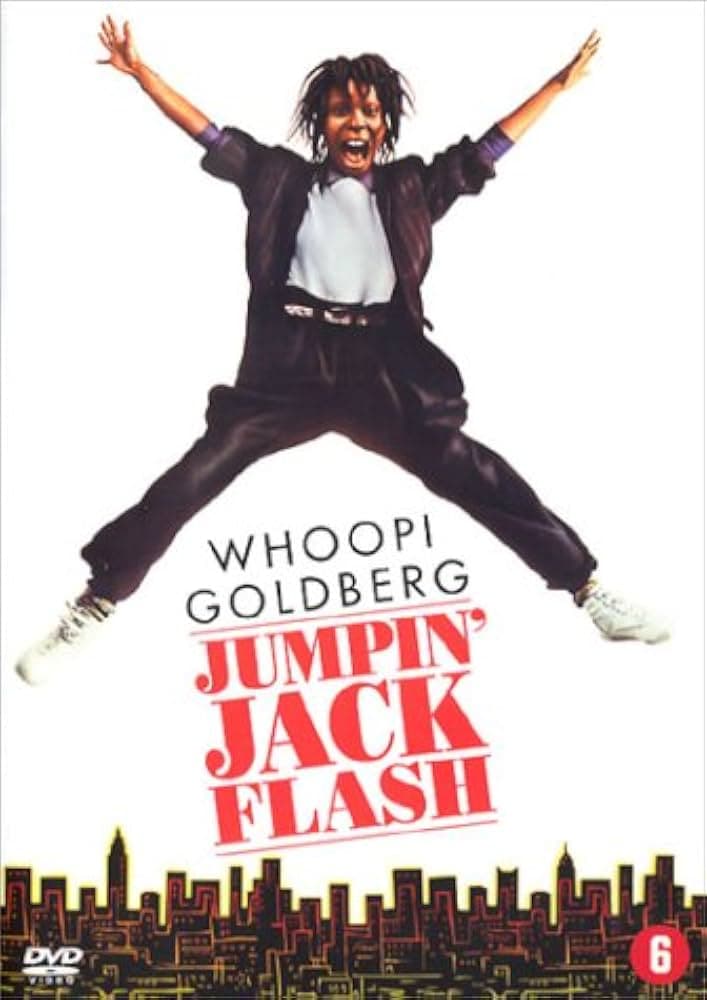
1986
Jumpin' Jack Flash
Jumpin' Jack Flash: our relationship with technology and freedom, and why this 1986 movie still matters.
Read our take →
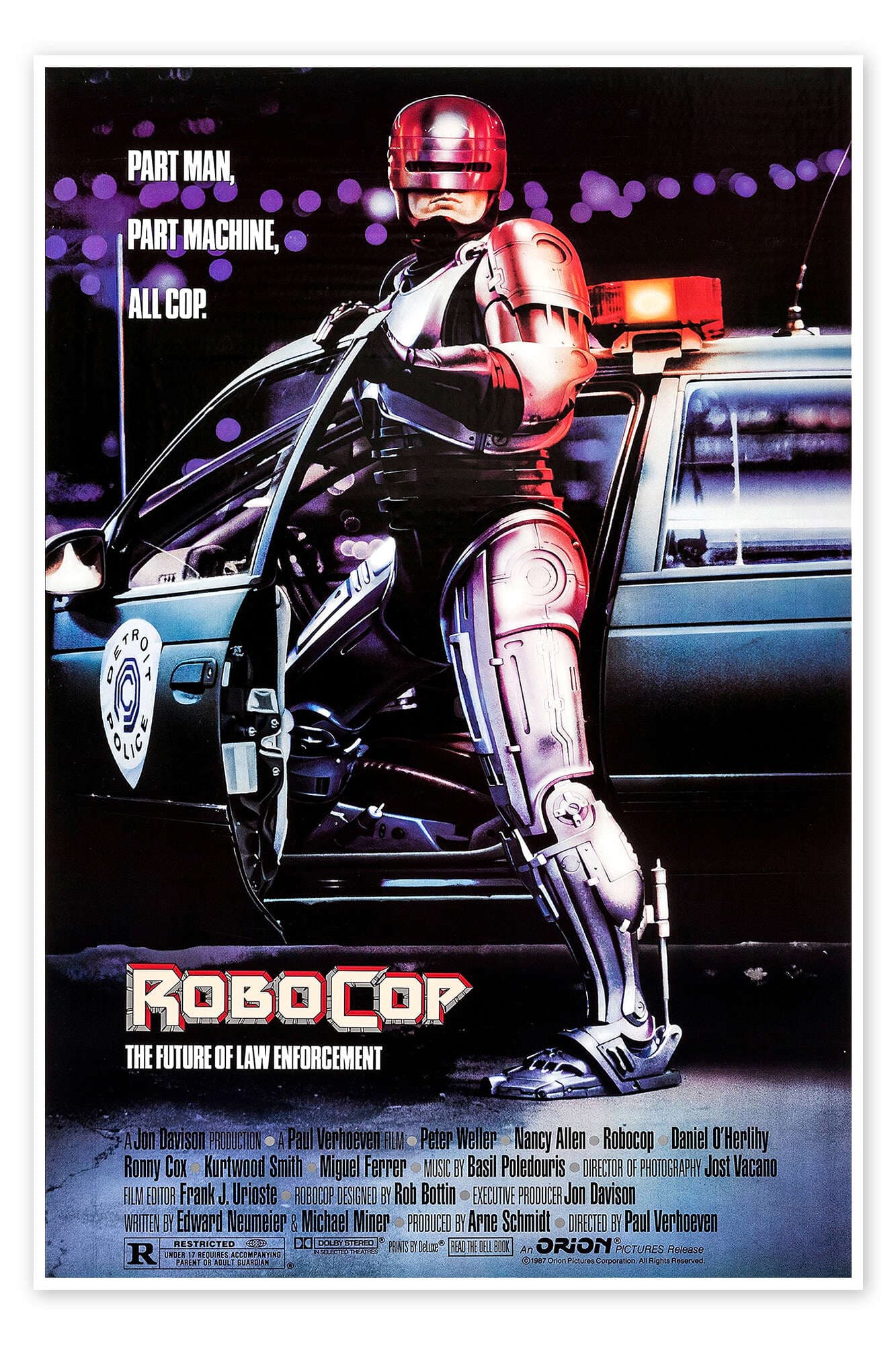
1987
RoboCop
A murdered cop rebuilt as a product — RoboCop still asks who gets to sell justice.
Read our take →
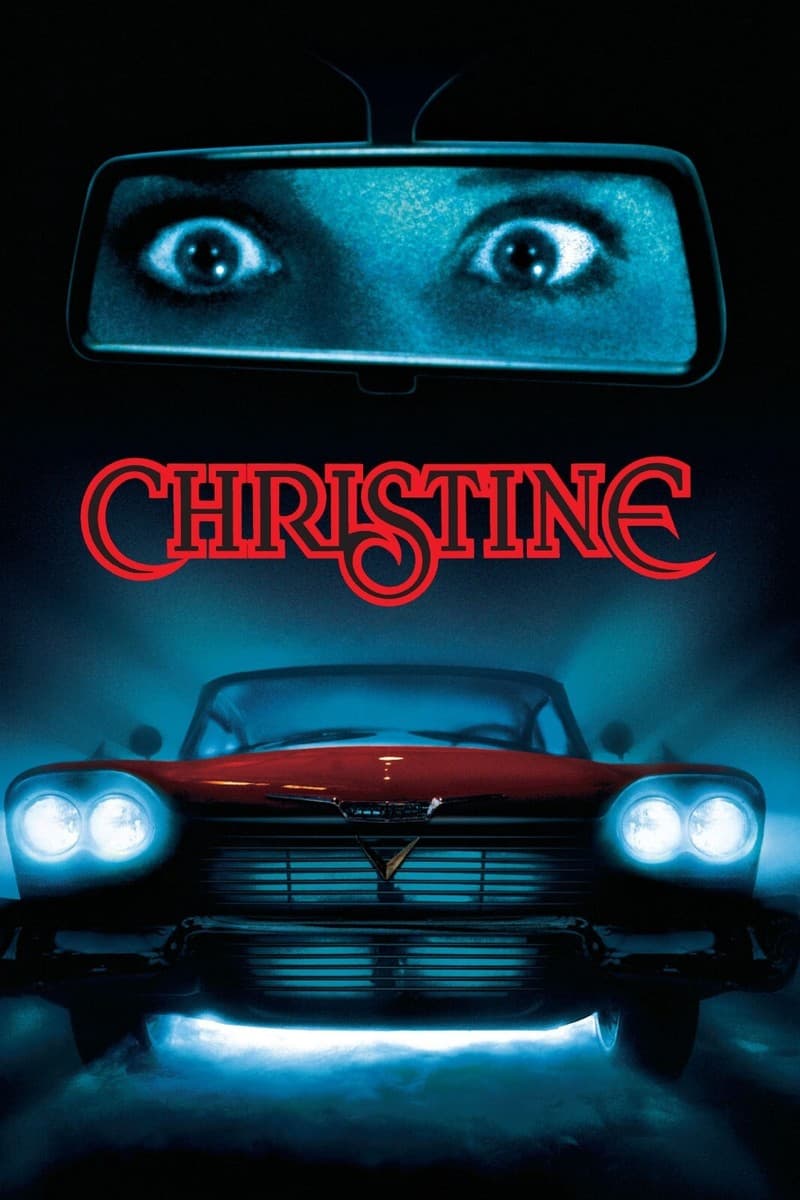
1983
Christine
Obsession, adolescence and a car that won't let go.
Read our take →