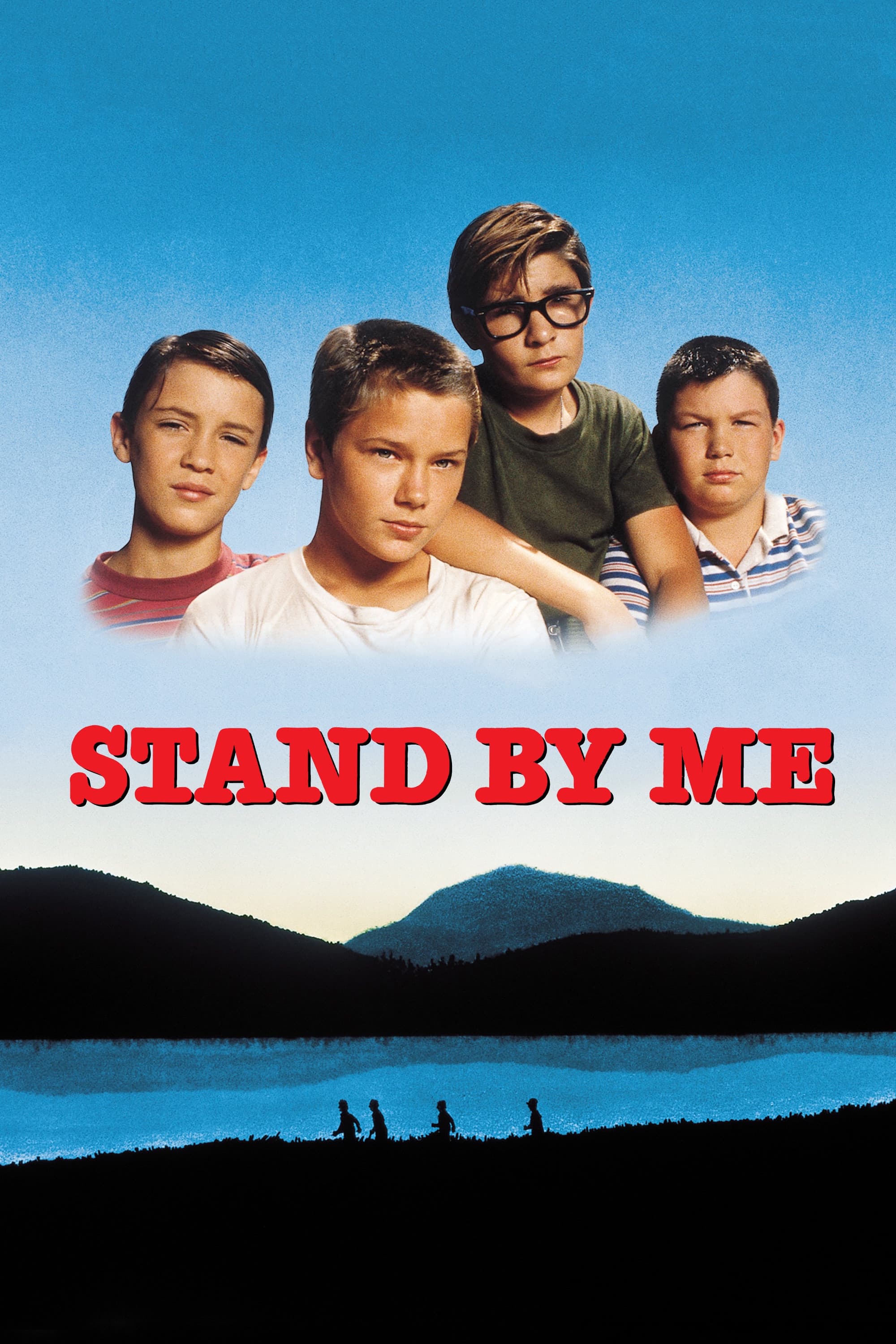
The setup
Stand by Me opens like a memory you can step into: an older voice looking back and a handful of boys convinced that finding a dead kid will change their lives. Rob Reiner keeps the story lean — 89 minutes — and lets Gordie’s interior life do the heavy lifting. It still feels like a film that knows what it wants to say about growing up.
THE MOVIE
Gordie Lachance is still the reason this movie works
People still talk about Stand by Me because it treats a small, grim idea — four twelve-year-olds tracking down a dead boy — as the occasion for something gentler and stranger: memory. The picture is framed by an older Gordie reading a newspaper and falling into a long flashback to a Labor Day weekend in 1959, so the whole adventure arrives already coloured by hindsight.
What makes that framing matter is Gordie himself. Grief over his older brother and a new habit for stories make him the film’s centre; the search for the body is less an adolescent treasure hunt than the stage on which Gordie discovers how to tell himself back into life.
Rob Reiner keeps the film tidy — under ninety minutes — and he does it without rushing. The lean runtime and the steady voice-over let the themes — coming-of-age, friendship, loss of innocence and the way stories help us survive — land with clarity rather than slogging the point to death.
THE SETUP
The idea that sets Stand by Me in motion
The premise is economical: four boys from Castle Rock decide to track down the body of a missing kid, Ray Brower, because they think being the ones to find him will make them heroes in town. That single idea gives the film permission to be at once an adventure and a moral measuring-stick.
There’s a tidy balance between outside danger and private pressure. The boys face a local bully gang — the obvious external threat — while each of them carries something harder: Gordie’s grief, Chris’s burden of family reputation and limited prospects, Teddy’s history of abuse, and Vern’s plain insecurity.
Because the story is told as a recollection by an adult Gordie, the search becomes a compact test: who these boys are against what the world will let them become. The setup works because the quest is simple but the reasons for going on it are complicated and quietly personal.
Reiner’s framing voice keeps us moving without letting the movie become a catalogue of incidents. It’s an adventure with stakes that are emotional rather than spectacular, which is exactly the point.
THE CHARACTER
Why Gordie Lachance matters
Gordie isn’t the loudest or toughest of the four. He matters because the movie is written as his memory: the whole trip is a set-piece for the inner life of a boy learning how to hold loss and to turn it into stories.
His motivation is plain and human. Grief over his older brother sits under everything he does, and that grief nudges him towards storytelling as a way out — or at least as a way to make sense of himself. The narrative is anchored to that private habit of shaping events into meaning.
Crucially, Gordie doesn’t go it alone. Chris functions as his protector and, in several scenes, the pair’s dynamic shows why Gordie’s voice matters: Chris’s family reputation and limited prospects give Gordie someone to lean on and someone whose choices carry consequences beyond the trip.
So the film isn’t just about a boy who can tell a good story. It’s about the storytelling that survives grief, and how friendship becomes the frame in which that storytelling takes shape.
UNDER THE SURFACE
Stand by Me has more on its mind than the plot suggests
Beneath the walking, the bullies and the occasional gross-out scene sits a cluster of simple, human ideas: growing up, loyalty and what it costs to leave childhood behind. The film’s coming-of-age heart is quiet rather than theatrical.
Memory and storytelling do more than frame the plot; they are how the characters process loss. Adult Gordie’s telling makes clear that the boys’ weekend is already an object to be reinterpreted — grief gets rearranged into a tale that can be survived and remembered.
Class and family limitations haunt the boys. Chris’s choices, in particular, are propelled by the sense that his family name narrows his future, and that pressure is what gives several of his decisions weight beyond the weekend’s immediate dangers.
All of this is kept deliberately readable: the movie wants you to feel the ache without needing footnotes. It’s emotional without being sentimental because the stakes are lived-in, not staged.
THE FILMMAKING
How Stand by Me was put together
Stand by Me looks and feels economical because its crew kept the mechanics tight. Thomas Del Ruth handled cinematography while Robert Leighton edited the film; that stable behind-the-camera team helps the movie keep a consistent rhythm and tone.
One obvious production challenge — the trestle and train sequence — was handled with caution. The crew relied on camera compression, careful staging and stunt methods to create the sense of danger without exposing the child actors to unnecessary risk.
That same pragmatic approach shows up elsewhere: practical choices are made to serve story beats rather than spectacle. Reiner’s direction is quietly assertive; he trusts the material and the narrative voice so the movie doesn’t feel obliged to prove anything flashy.
Contemporary critics noticed this restraint. The young ensemble, the tonal control and Reiner’s steady hand were singled out in reviews of the time, and that reception helped the film land where it did: a small, quietly powerful coming-of-age piece.
PRACTICAL EFFECTS
The effects work that gives Stand by Me its physical personality
The film’s physical problems were solved in hands-on ways. For the leech sequence, the production dug a man-made pond and used a mixture of long-shot props and close-up latex and makeup to sell the creatures rather than relying on trickery.
Those choices matter because the sequences are tactile: the leech scene’s discomfort and the swamp’s sliminess feel earned when you know the crew built a real-feeling environment for the actors to react to.
Likewise, the trestle and train material leans on camera techniques and stunts to create the sense of peril. Telephoto compression and careful staging gave the impression of proximity to the train while keeping the cast safe.
Altogether, the practical decisions are modest but effective: they give the film a physical personality that serves the story without calling attention to itself.
PURE 80S
Stand by Me could not belong to any other decade
Stand by Me is very much a mid-80s film in its instincts: it mines midcentury Americana and period pop to evoke nostalgia while aiming for emotional seriousness. The result is a nostalgia that feels worked at rather than pasted on.
It also belongs to a run of 1980s movies that adapted literary material for intimate character pieces. Taking Stephen King’s novella 'The Body' and keeping it small and human set the film apart from the louder high-concept fare of the decade.
Released in 1986, the film sits comfortably alongside other era-defining youth ensemble pictures: they share a summertime sense of possibility but Stand by Me chooses reflection over spectacle.
That 1980s context matters because filmmakers then were discovering ways to use pop music and period detail as emotional shorthand, and Reiner uses those tools to underline rather than replace the story.
WATCHING IT NOW
What has aged — and what hasn't
Some central things remain sturdy. The friendship and loyalty at the heart of the story still feel immediate; that strand is based on simple behaviour and choices rather than period fashion, so it translates easily to a modern viewer.
The movie’s attention to class and family limitations also reads clearly today. The pressures that shape Chris’s decisions — family reputation, the sense of having fewer options — are still recognisable and give the film a social weight beyond nostalgia.
Because the picture is built around memory and storytelling, its reflective structure tends to protect it from feeling dated. The voice-over makes clear that the film is always about recollection, which keeps specific period detail from becoming the whole point.
Stand by Me ages like a photograph: personal, slightly sun-faded, but honest. The emotional relationships stay legible even when some surface trappings announce their era.
THE LEGACY
Why Stand by Me still matters
There are concrete reasons the film still gets airtime: the screenplay by Raynold Gideon and Bruce A. Evans earned an Academy Award nomination, which is one formal marker of the craft behind the adaptation.
The movie also helped raise the profiles of its young cast, and that attention has kept discussion of the film alive in retrospectives and anniversary pieces.
Musically, the film’s use of Ben E. King’s 'Stand by Me' over the end credits gave the title a neat cultural echo; the song’s chart resurgence around the film’s release tied the movie’s name to a familiar pop standard.
Finally, the picture has been the subject of theatrical reissues and documentary featurettes — small, concrete proof that there’s enough affection and interest for the film to be revisited formally as well as casually.
THE VERDICT
Does Stand by Me still hold up?
Yes. The film’s memoir framing — an adult Gordie looking back — is not a trick but a tool: it turns a simple two-day expedition into a reflective coming-of-age tale, and that shape still works.
Because the story’s conflicts mix outside danger — a bully gang and the hunt for the body — with intimate pressures like Gordie’s grief and Chris’s family situation, the movie balances adventure and feeling in a way that remains persuasive.
The elements that make the film matter — Gordie’s interior life, the friendship’s loyalty and the loss of childhood innocence — are storytelling choices rather than period flourishes, which is why the picture still moves an audience now.
If you’ve never seen it, watch it for the way a small, well-told story can hold a lifetime. If you know it already, it still repays a revisit: not because it’s a museum piece, but because it shows how a quiet film can say a lot about becoming who we are.
Featured in
Explore more about Stand by Me
Share this movie
Keep watching
More movies from the 80s
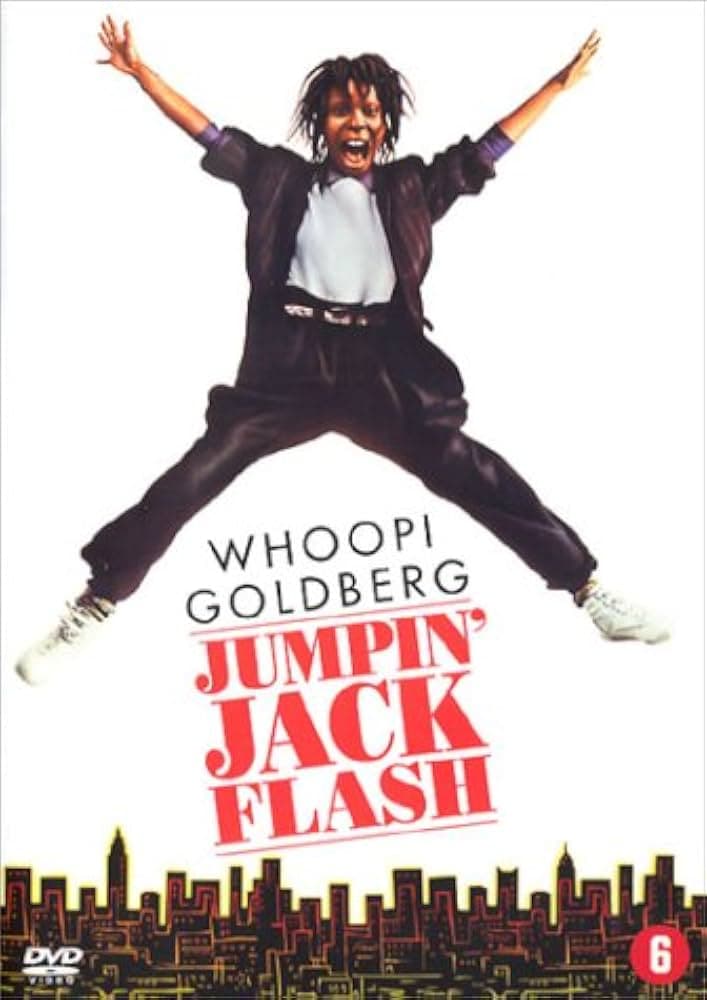
1986
Jumpin' Jack Flash
Jumpin' Jack Flash: our relationship with technology and freedom, and why this 1986 movie still matters.
Read our take →
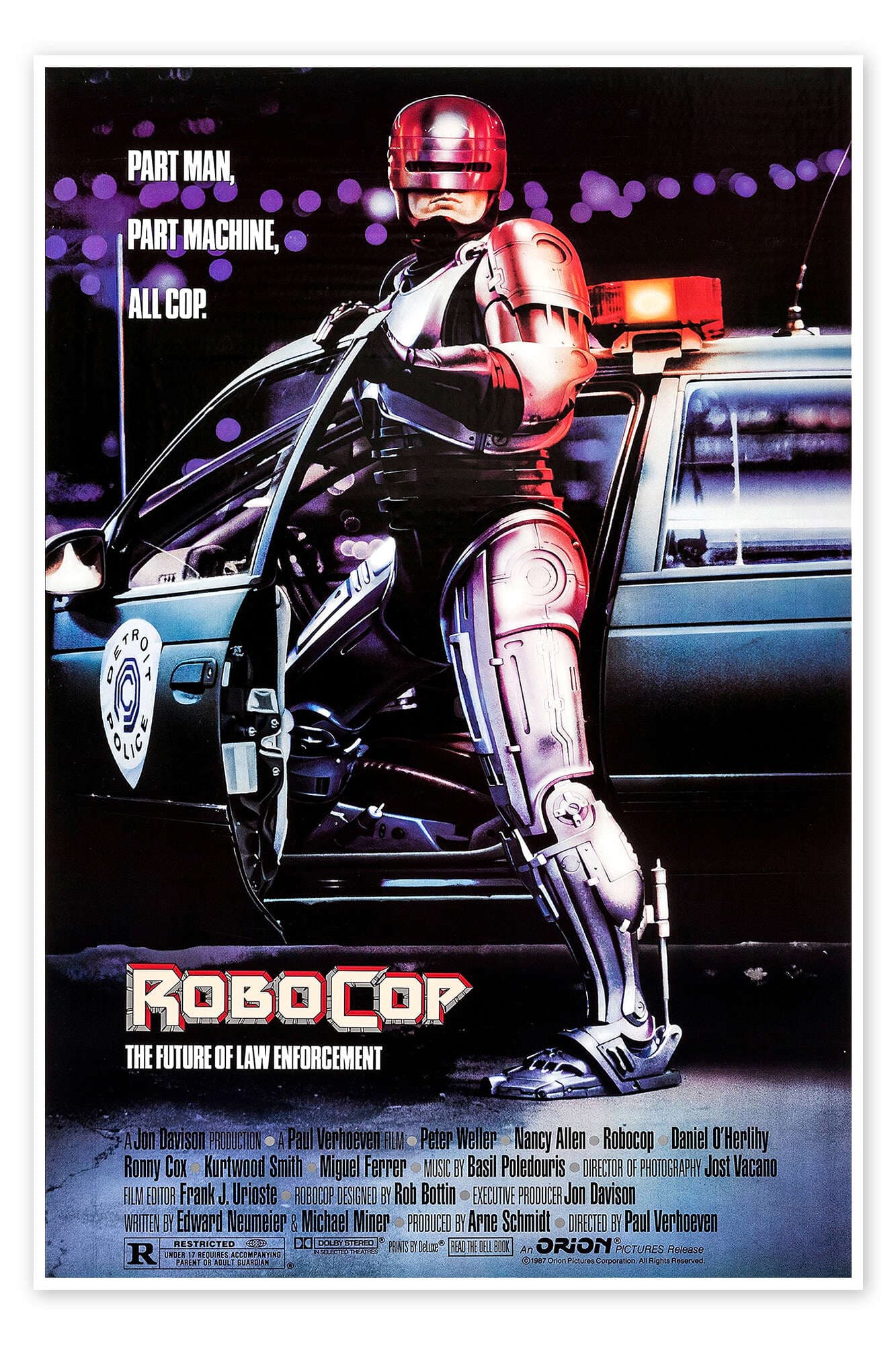
1987
RoboCop
A murdered cop rebuilt as a product — RoboCop still asks who gets to sell justice.
Read our take →
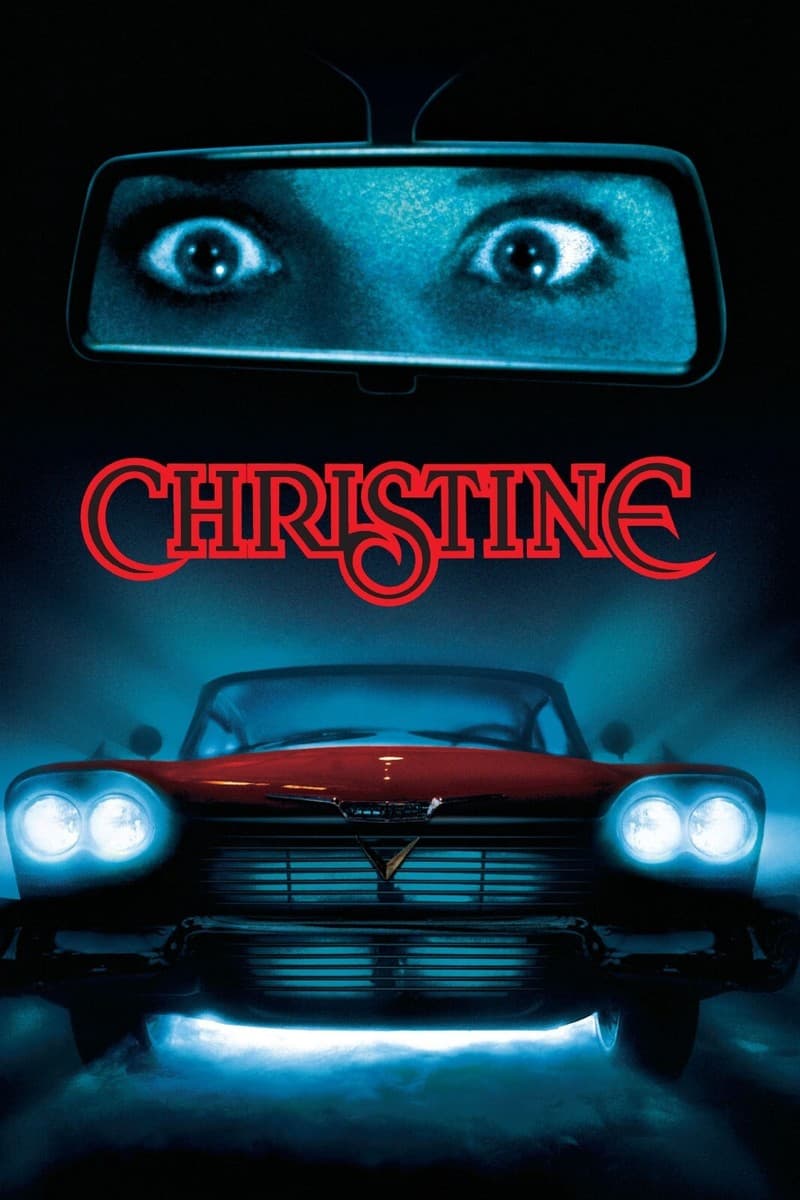
1983
Christine
Obsession, adolescence and a car that won't let go.
Read our take →