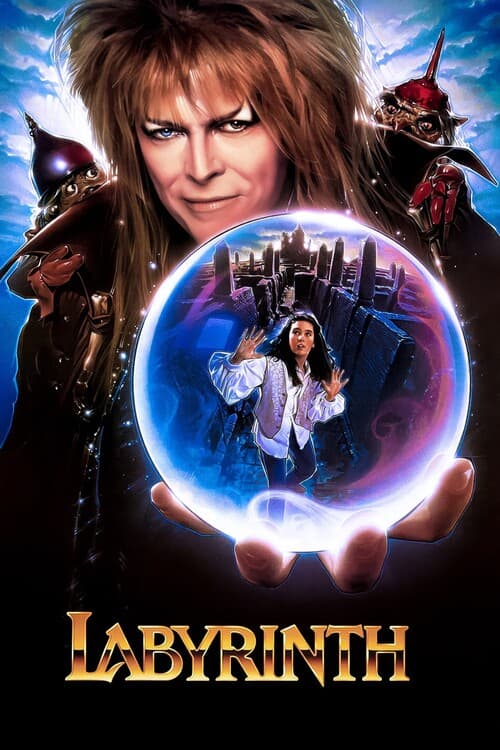
The setup
Labyrinth still turns up in conversations because it pairs an unmistakable, oddball visual world with a very human centre: Sarah Williams. Jim Henson gives us a proper quest — puppets, set-pieces and a Goblin King’s offers — but it’s Sarah’s choices that make the film worth revisiting.
THE MOVIE
Sarah Williams is still the reason this movie works
You don’t remember Labyrinth for a single trick so much as the way a string of tricks hangs on one stubborn girl. Sarah Williams is a teenager who, in a moment of furious impatience while babysitting, wishes her baby half-brother Toby away to the Goblins — and then has to go fetch him back. That blunt, almost childish wish is the engine that drives everything that follows.
From there the film lays out a tidy quest: Sarah must traverse a vast, shifting labyrinth and face a parade of distinct creatures and episodic challenges. Each encounter feels deliberately staged — set-pieces that push her into new choices and temptations — and they keep the story moving without turning it into a lecture.
All of it is filtered through Jim Henson’s feel for the weird and the tactile. Henson directs; Brian Froud’s designs and the Creature Shop’s puppetry give the world its physical personality. And then there’s the casting oddness — Jennifer Connelly as Sarah and David Bowie as Jareth, the Goblin King — which gives the whole thing a particular 1980s flavour.
THE SETUP
The idea that sets Labyrinth in motion
Labyrinth gives us a simple, unavoidable premise: a frustrated teenager’s wish sends her baby brother into a labyrinth that only she can enter. That inciting moment makes the stakes personal and immediate — this isn’t a quest for treasure, it’s a rescue.
The film then structures itself as a series of staged encounters. There are formal devices at work — distinct set pieces, a masquerade/dream sequence and an Escher-inspired staircase scene — each one functionally a test of Sarah’s priorities and impulses.
Terry Jones receives the screenplay credit, while Jim Henson and Dennis Lee are credited for the story; the writing keeps the premise sharp even if it chooses whimsy over exhaustive explanation.
Contemporary reviewers noticed the same balance: the film’s episodic, theatrical approach let the design and puppetry shine, but it also left some critics unsure about the story’s consistency and a few performances.
THE CHARACTER
Why Sarah Williams matters
Sarah isn’t a blank-eyed child-saviour or an effortless hero. She’s resentful, imaginative and determined to get her baby brother back — that frustration is her fuel. The story keeps circling that emotional knot: she’s angry, she’s adventurous, and she has to learn responsibility in the act of rescuing Toby.
Toby himself is the emotional catalyst rather than an active participant; his disappearance sparks everything Sarah must do. That choice — to make the quest personal and intimate — is what stops Labyrinth becoming merely decorative spectacle.
The film also builds its emotional life around incidental alliances: companions who aren’t replacements for family but who form a kind of found family on the way. Those relationships let Sarah test different responses to trust, selfishness and solidarity as she moves through the maze.
Casting-wise, the basic facts are straightforward: Jennifer Connelly plays Sarah Williams, and Sarah’s coming-of-age arc is wired into the family-centred, family-audience ambitions of the movie.
THE PERFORMANCE
Why Jennifer Connelly's performance matters
When Labyrinth first arrived, critics were split about Jennifer Connelly’s portrayal of Sarah. Some reviewers felt her performance lacked conviction; others pointed out how naturally she interacted with the film’s practical puppet work.
That division matters because the movie relies on audiences accepting Sarah as both petulant and capable — a believable teenager whose mistakes are still forgivable. Whether you buy that balance depends in part on how the performance reads for you.
Either way, the interaction between Connelly and the Creature Shop’s creations is central: the film asks us to believe in a world where real human feelings are responding to very physical, very deliberate puppetry.
UNDER THE SURFACE
Labyrinth has more on its mind than the plot suggests
On the surface it’s a rescue quest. Under that, Labyrinth is a coming-of-age story: Sarah’s arc moves from adolescent petulance to a kind of reluctant responsibility. The maze is literal and figurative — the route to growing up.
It’s also centrally a movie about imagination versus reality. Sarah’s imaginative escapes are real enough to her to produce consequences; the film asks whether fantasy is an evasion or a rehearsal for making adult choices.
Temptation is the other recurring idea. Jareth’s offers — the pleasures of staying in the world he controls — test Sarah’s autonomy. The film stages moments where giving in would be easier, and it measures Sarah by what she refuses.
Finally, there’s the found-family strand. Hoggle, Ludo and Sir Didymus aren’t just colourful stops on the map; their fellowship provides Sarah with alternate models of loyalty and help as she learns to care for someone other than herself.
PRACTICAL EFFECTS
The effects work that gives Labyrinth its physical personality
Labyrinth’s world feels tactile because it truly is. Jim Henson’s Creature Shop provided extensive puppetry and full-body creature suits for figures like Ludo and many of the goblins, which keeps everything rooted in touchable performance rather than optical trickery.
Many of those puppet roles were collaborative efforts: multiple performers often combined for a single character — separate puppeteers handling body movement while other artists provided facial or voice elements — which is why the creatures move and react with such specific timings.
The production also built large practical set pieces so human actors and creature performers could interact directly. Key sequences — the Escher-like staircase and the masquerade/dance set — were constructed so the actors could move through and be physically engaged by the environments.
That physical approach gives the film its distinctive personality: a lot of the oddness and charm comes from the fact that the monsters and sets are present in the same space as the actors.
PURE 80S
Labyrinth could not belong to any other decade
Labyrinth sits squarely in the mid-1980s moment when effects-driven, family-oriented fantasies were a mainstream proposition. It followed The Dark Crystal as one of Jim Henson’s higher-budget features and belongs to that same appetite for ambitious, theatrical family fantasy.
The film’s casting gestures feel of the decade too: it brings together a music-world star in David Bowie with Jim Henson’s puppetry tradition — a kind of cross-media casting that the 80s frequently indulged.
George Lucas’s role as executive producer also ties Labyrinth into the period’s desire to mix spectacle and family audiences. That behind-the-scenes link matters because the film aimed to be both technically ambitious and broadly accessible.
Finally, the film’s production — shot in 1985 at locations in New York state and UK studios including Elstree, combining live actors with large practical sets — is very much of its industrial moment. Its original box-office underperformance and later cult rediscovery are part of how it’s remembered today.
WATCHING IT NOW
What has aged — and what hasn't
If you watch Labyrinth now, the central premise is still easy to understand: a teen’s careless wish sends her brother away, and she has to choose to recover him. That simplicity is a strength; it keeps the emotional stakes immediate for a modern family audience.
The movie’s family orientation still directs its choices; the story foregrounds responsibility and sibling duty rather than cynical complications. That clarity helps it hold together for viewers who don’t need every hinge explained.
The found-family elements — the way Sarah accumulates companions who help and test her — still register as a consoling, human thread. Those relationships are an emotional throughline that modern viewers can recognise even if everything around them feels dated.
And on a small factual note, the baby Toby remains the plot’s quick, effective catalyst; his role as motivating absence still drives the film’s structure in the same immediate way it did on first viewing.
THE LEGACY
Why Labyrinth still matters
Labyrinth’s initial theatrical run didn’t set the world alight, but the story of the film’s afterlife is clear: it underperformed at the box office on release and later developed a substantial cult following, which led to re-releases and anniversary screenings.
Beyond its commercial arc, the film keeps turning up in conversations about Jim Henson’s career, David Bowie’s film work and 1980s fantasy cinema. It’s a movie people programme in retrospectives and festival line-ups when they want to show a different kind of family fantasy.
That ongoing attention is sensible: Labyrinth is both a peculiar artefact of its moment and a movie that keeps offering up odd, memorable images and a simple emotional centre that viewers return to.
THE VERDICT
Does Labyrinth still hold up?
Yes — if you’re prepared to meet it on its own terms. Labyrinth is built on a clear quest: Sarah must reclaim Toby from Jareth by traversing a continually changing maze and resisting temptations along the way. That structural clarity keeps the film purposeful and watchable.
What sustains it is the central character choice: Sarah is a resentful, imaginative adolescent who has to accept responsibility and grow up. The episodic companions — Hoggle, Ludo and Sir Didymus — give her human tests and practical help, so the emotional stakes never feel abstract.
Viewers should know the original reception was mixed: critics praised the design and puppetry while some were unsure about story consistency and certain performances. Jennifer Connelly’s portrayal divided reviewers, which means your mileage may vary with how you respond to the film’s acting and tone.
Still, the film’s physical inventiveness, the recurring formal devices that stage temptation and discovery, and that simple rescue premise mean Labyrinth remains worth watching. It’s less a flawless classic than a peculiar, persuasive fairy tale — one that asks you to choose responsibility over easy magic, and that’s a choice worth making again.
Featured in
Explore more about Labyrinth
Share this movie
Keep watching
More movies from the 80s
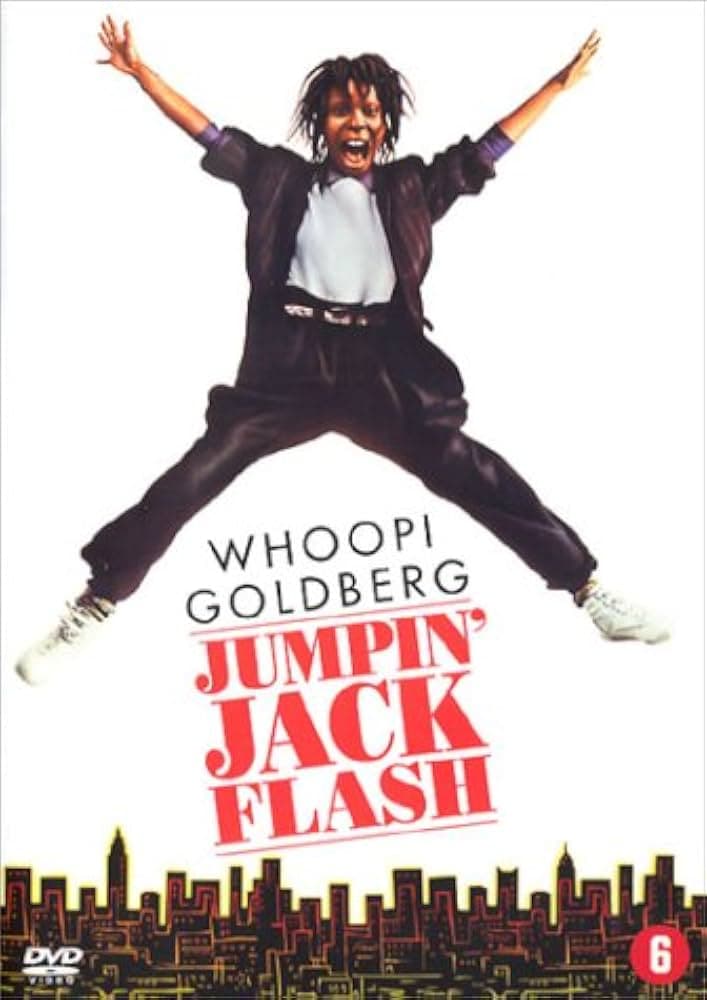
1986
Jumpin' Jack Flash
Jumpin' Jack Flash: our relationship with technology and freedom, and why this 1986 movie still matters.
Read our take →
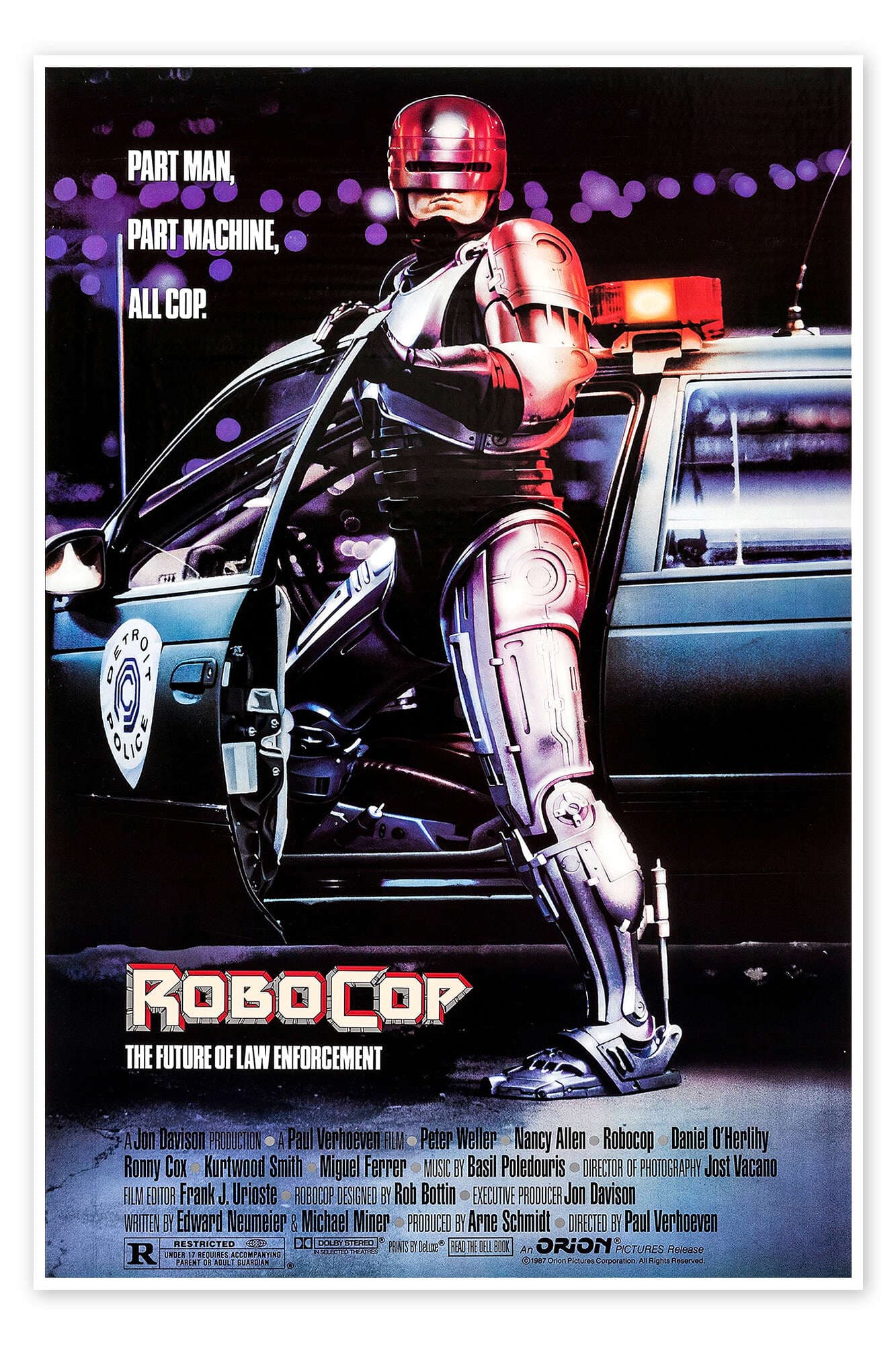
1987
RoboCop
A murdered cop rebuilt as a product — RoboCop still asks who gets to sell justice.
Read our take →
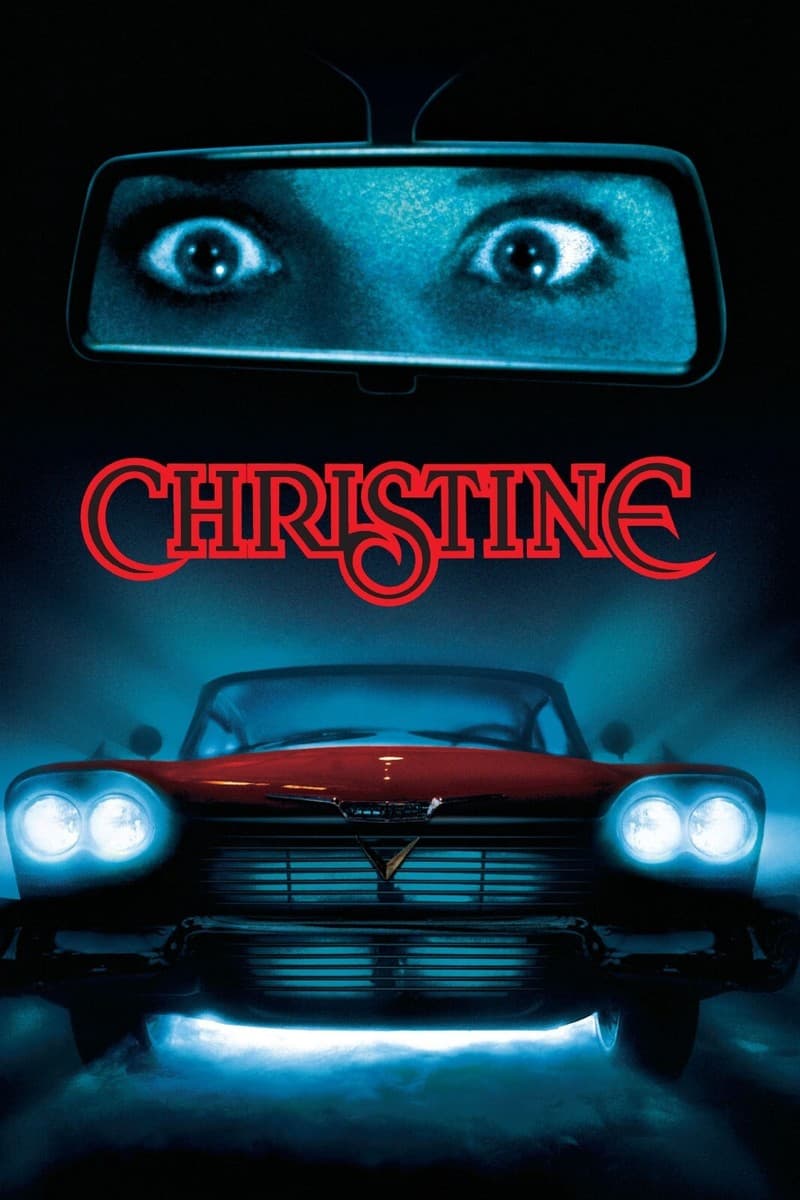
1983
Christine
Obsession, adolescence and a car that won't let go.
Read our take →