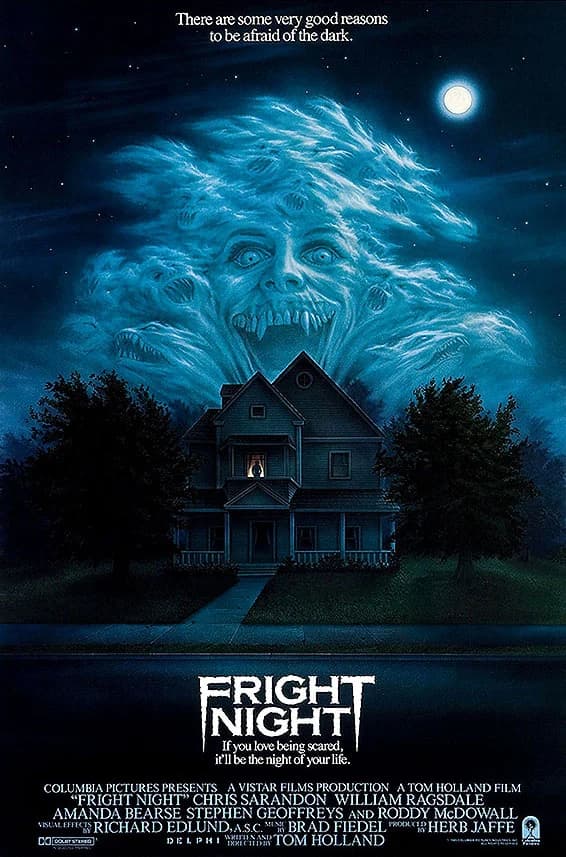
The setup
Fright Night lands the creepy in a cul‑de‑sac. Tom Holland’s debut pitches a sensible teenage worry — the new next‑door neighbour is off — and then layers in late‑night TV obsession, sexual menace and the unlikely help of a washed‑up horror host. It still feels like someone put suburban life and classic vampire danger in a blender and didn’t bother to clean up the kitchen.
THE MOVIE
Charley Brewster is still the reason this movie works
What keeps Fright Night ticking is a very particular nervous energy: a teenager who insists he’s not imagining danger when everyone else wants to shrug and go home. That’s the engine — Charley Brewster becomes convinced his new next‑door neighbour, Jerry Dandridge, is a vampire, and once that idea takes hold he refuses to let it go quietly.
Tom Holland then makes a neat juggling act of genres. The film asks kids to be brave — and awkwardly grown up — so Charley shifts from adolescent curiosity to the kind of protective action you’d expect when someone he cares about is at risk. He doesn’t become a stereotype of heroism; he becomes a teenager trying to do the sensible thing when no one will listen.
Holland frames this as more than supernatural popcorn. The vampire stands for seduction and adult predation, and the story’s comic horror balance (with a runtime that doesn’t overstay its welcome) puts the moral panic in a suburban setting where everyone recognises the stakes.
THE SETUP
The idea that sets Fright Night in motion
At its cleanest, Fright Night is built from one simple, watchable idea: a teenager spots odd behaviour next door and becomes convinced the man is a vampire. That disbelief-from-others mechanic keeps the tension honest — the threat is immediate, but the adults’ refusal to accept it forces Charley to act.
The plot stitches together a small, determined human trio — Charley, the on‑air horror host Peter Vincent and Charley’s friends — who try to expose and stop the vampire before more people become victims. It’s a familiar shape, but it suits a story that wants both nervous suspense and the occasional sly joke.
Tom Holland uses television within the film — the fictional Fright Night Theater — as more than decoration. Clips and on‑screen horror fandom are woven into the plot and act as a motif about how media can teach, reassure or mislead the young characters who worship it.
That balance — private fear made public through TV, and a teen forced to grow up fast — is why the setup works: it keeps the stakes local while letting genre ideas breathe.
THE CHARACTER
Why Charley Brewster matters
Charley could have been a generic frightened teen. Instead the screenplay gives him a believable trajectory: he starts off intrigued and, when he sees danger aimed at his girlfriend, turns stubbornly responsible. That shift keeps the film from becoming a catalogue of fright gags — it’s about a kid pushed into a grown‑up choice.
His relationships make the stakes concrete. His friendship with Evil Ed — an insecure peer whose escalation into violence provides an ugly counterpoint — anchors Charley in a recognisable adolescent orbit. Charley’s choices are framed by ordinary teenage life, which is exactly what makes the vampire threat sting.
And, yes, part of why Charley matters is that he’s the audience’s anchor. He’s the person who sees the problem first and refuses to accept the easy answers, and that combination of worry and doggedness is what drives the film forward.
THE PERFORMANCE
Why Chris Sarandon's performance matters
Contemporary reviewers were repeatedly drawn to the film’s central actors, and Chris Sarandon’s presence as Jerry Dandridge is one of the elements that critics singled out. That kind of consensus matters: when a film rests on a predator figure, having critics note the performance suggests the casting helped give the role weight.
We can’t read intention into reviews, but the practical effect is simple: Sarandon’s work made Jerry feel like a plausibly dangerous neighbour rather than a cardboard monster. That credibility keeps the movie’s menace threaded through its jokes.
It’s also worth remembering that the positive attention wasn’t unique to Sarandon on the bill — other supporting names were also highlighted at the time — which underlines how the film’s tone depended on a reasonably strong ensemble.
UNDER THE SURFACE
Fright Night has more on its mind than the plot suggests
On the surface it’s a vampire movie, but the film’s concerns are messier: the vampire operates as a figure of sexual seduction and the jealousy it awakens. That choice turns the horror into something awkwardly human — a threat that’s both supernatural and disturbingly intimate.
Paired with that is a coming‑of‑age thread. Charley’s forced move from observer to protector is a teen rite of passage dressed in garlic and silver — he learns responsibility the hard way, which makes the scares mean something beyond the thrills.
And Fright Night is quietly meta about fandom. The horror host Peter Vincent and the in‑film Fright Night Theater clips make television an explicit part of the story, so the movie is not only about being scared but about the ways media shapes how young people understand danger.
THE FILMMAKING
How Fright Night was put together
There’s a lot of craft in the film’s physical world. Production designer John F. De Cuir Jr. built the Brewster and Dandridge houses as convincing multi‑level spaces, and that practical, lived‑in quality helps sell the domestic intrusion of a predator living next door.
For the more overtly cinematic moments — the flying vampire sequences, for example — the crew relied on optical composites and a remotely operated Louma camera crane. Those choices were technical answers to a storytelling problem: how to show something fantastic in a movie that otherwise keeps its feet planted in the suburbs.
The film’s recognition at the Saturn Awards (with wins and nominations across categories) reflects that the combination of production choices and direction resonated with genre audiences and specialists.
PRACTICAL EFFECTS
The effects work that gives Fright Night its physical personality
The film’s visual and optical effects were overseen by Richard Edlund’s team (credited through Boss Film/Entertainment Effects Group), which placed practical craft at the heart of the supernatural business.
Those flying‑vampire moments were produced with optical composites and by shooting point‑of‑view camera work from a remotely operated Louma crane — a technical route that let the movie sell speed and motion without digital trickery.
Creature and makeup elements were created by artists including Randall William Cook and Steve Johnson, whose practical builds provide the tactile, physical side to the film’s monsters.
PURE 80S
Fright Night could not belong to any other decade
Fright Night arrived in the summer of 1985 as a commercial genre release from Columbia Pictures — the kind of mid‑eighties horror that could be both crowd‑pleasing and a little sly about its subject matter.
Scholars and popular commentary place the film in an 80s ‘erotic’ vampire cycle and within a strand of teen‑led horror that borrows from slasher mechanics. That context helps explain why the film mixes sexual menace with suburban teen anxieties rather than leaning purely on gothic atmosphere.
Tom Holland’s track from writer to director (he later made Child’s Play) also ties the movie into a period moment: a generation of horror filmmakers who were comfortable moving between shock, wit and glossy production values.
Its August 1985 premiere and the way it sits between teen movie and vampire picture make it feel very much of its moment — a seasonal genre film that also happens to nod at the decade’s preoccupations.
WATCHING IT NOW
What has aged — and what hasn't
Some things play surprisingly clean. The core vampire premise remains straightforward and effective: treating the vampire as a real, predatory neighbour keeps the threat immediate and recognisable.
The film’s teen coming‑of‑age element also retains emotional clarity. Charley’s move from gawking adolescent to someone making fraught choices is a simple story beat that still anchors interest for modern viewers.
On the technical side, the flying vampire sequences rely on optical composites and Louma crane work. Those methods can look of their time, but they’re also honest choices that serve clearly defined moments rather than attempting to mask limitations.
THE LEGACY
Why Fright Night still matters
There’s a tidy, practical legacy here: the film’s commercial performance and continuing audience interest produced an officially produced theatrical sequel, which is the clearest sign of a movie that found its crowd.
Its story and premise have been judged worth revisiting — the 2011 remake is evidence that the idea of a charming neighbour who is secretly a predator has a life beyond the original production.
And on the careers side, Fright Night helped raise Tom Holland’s profile as a horror filmmaker; historians of 1980s vampire cinema and of the decade’s horror cycle routinely point to the film when mapping that terrain.
THE VERDICT
Does Fright Night still hold up?
Yes — but with a small asterisk. If you want a neat, compact vampire movie that doubles as a coming‑of‑age story and a sideways commentary on horror fandom, Fright Night delivers. The plot is driven by a simple, effective premise: Charley sees Jerry behaving oddly, can’t convince the adults, and recruits Peter Vincent and his friends to stop a clear predator before more people are harmed.
What helps the film stay watchable is that it keeps the conflict human: Charley’s transition from gawping teen to protective actor is believable, and Amy Peterson’s position as his romantic interest and a target of the vampire gives his motivation a firm, understandable shape.
The movie also benefits from elements critics noticed at the time — reviewers singled out Chris Sarandon and Roddy McDowall — so the central casting choices give Jerry and Peter an extra bit of ballast that keeps the tone from tipping into farce.
If you’re after modern polish, remember this is an 1985 horror comedy running 106 minutes, with practical‑and‑optical solutions for its more fantastical moments. Come for the creeping suburban menace and the neat genre blend; stay for the fact that it still manages to make a reasonable audience root for a teenager who refuses to be ignored.
Featured in
Explore more about Fright Night
The Lost Boys vs Fright Night: Which Is Better?
Two beloved 80s vampire pictures, very different beats: Joel Schumacher’s teen-family fable versus Tom Holland’s suburban vampire thriller. We pit their story, cast and staying power head-to-head to find out which still bites.
Read the feature →
The 9 Best Vampire Movies of the 1980s, Ranked
From teenage bloodsuckers and vampire next-door neighbours to stylish immortals and completely bonkers cult classics, we rank the 9 best vampire movies of the 1980s.
Read the feature →
Share this movie
Keep watching
More movies from the 80s
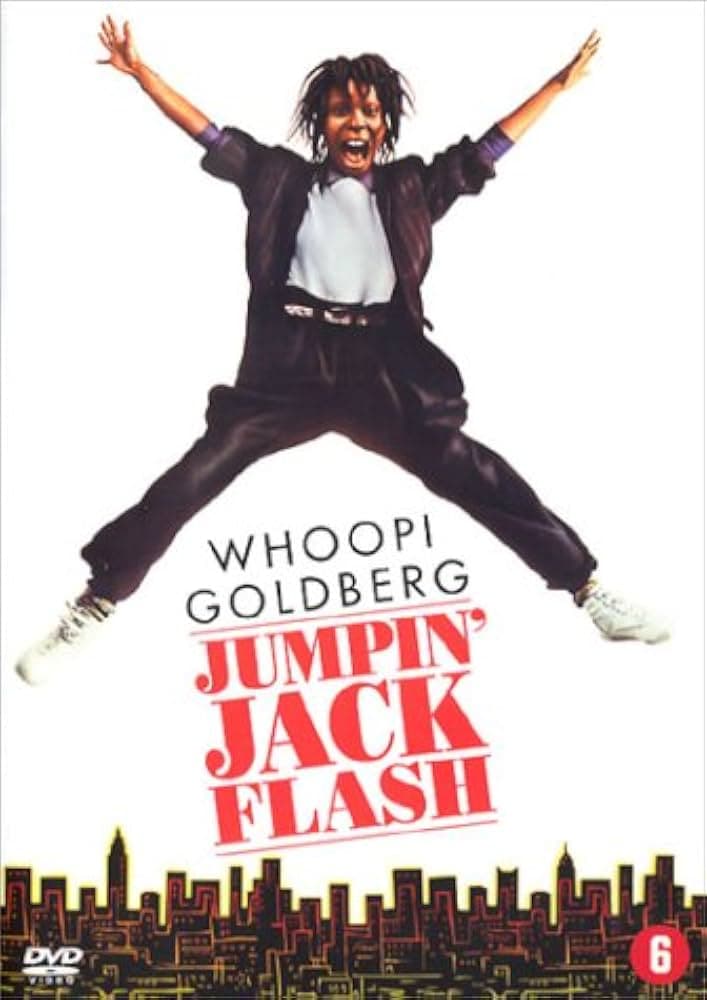
1986
Jumpin' Jack Flash
Jumpin' Jack Flash: our relationship with technology and freedom, and why this 1986 movie still matters.
Read our take →
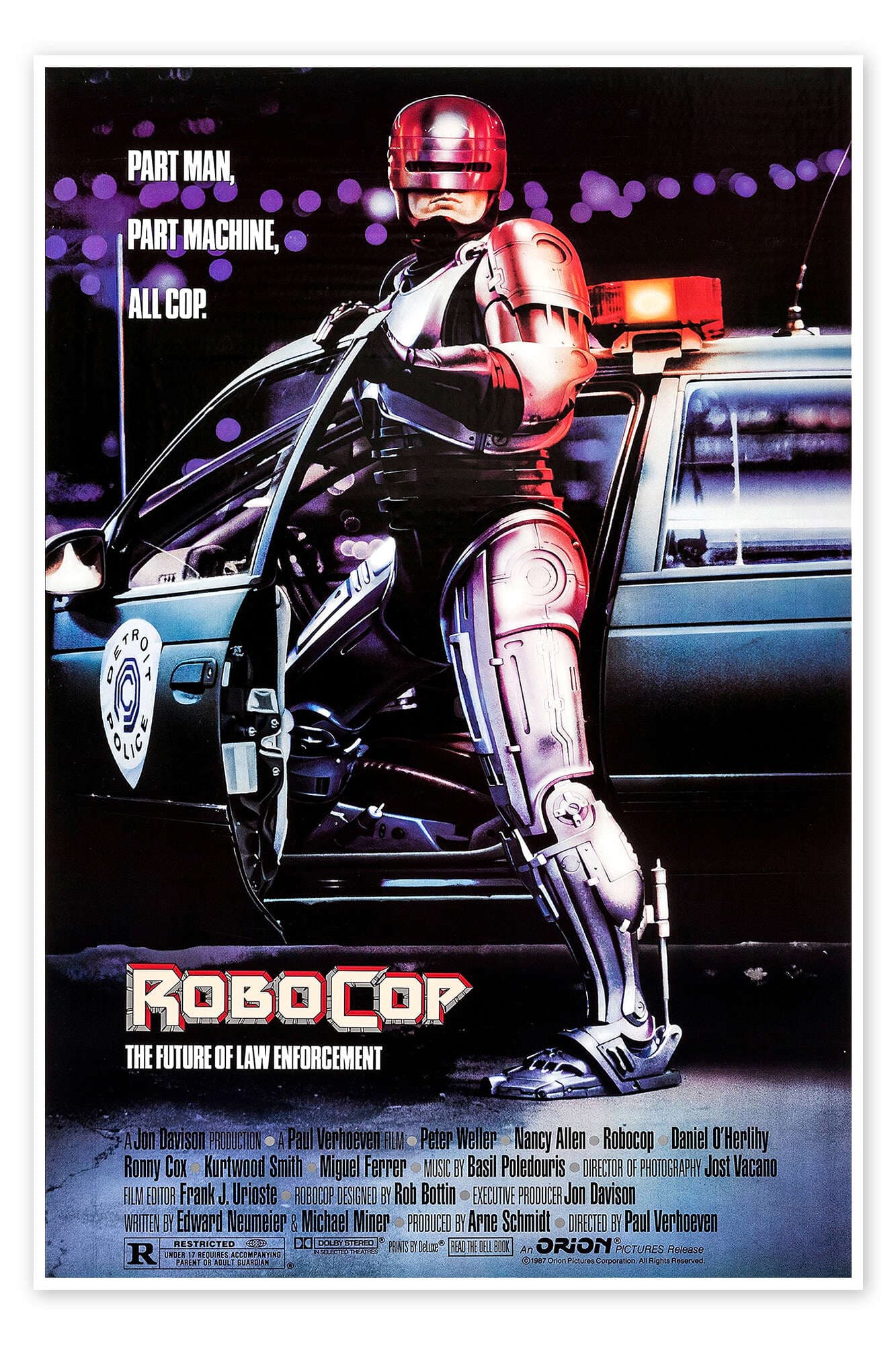
1987
RoboCop
A murdered cop rebuilt as a product — RoboCop still asks who gets to sell justice.
Read our take →
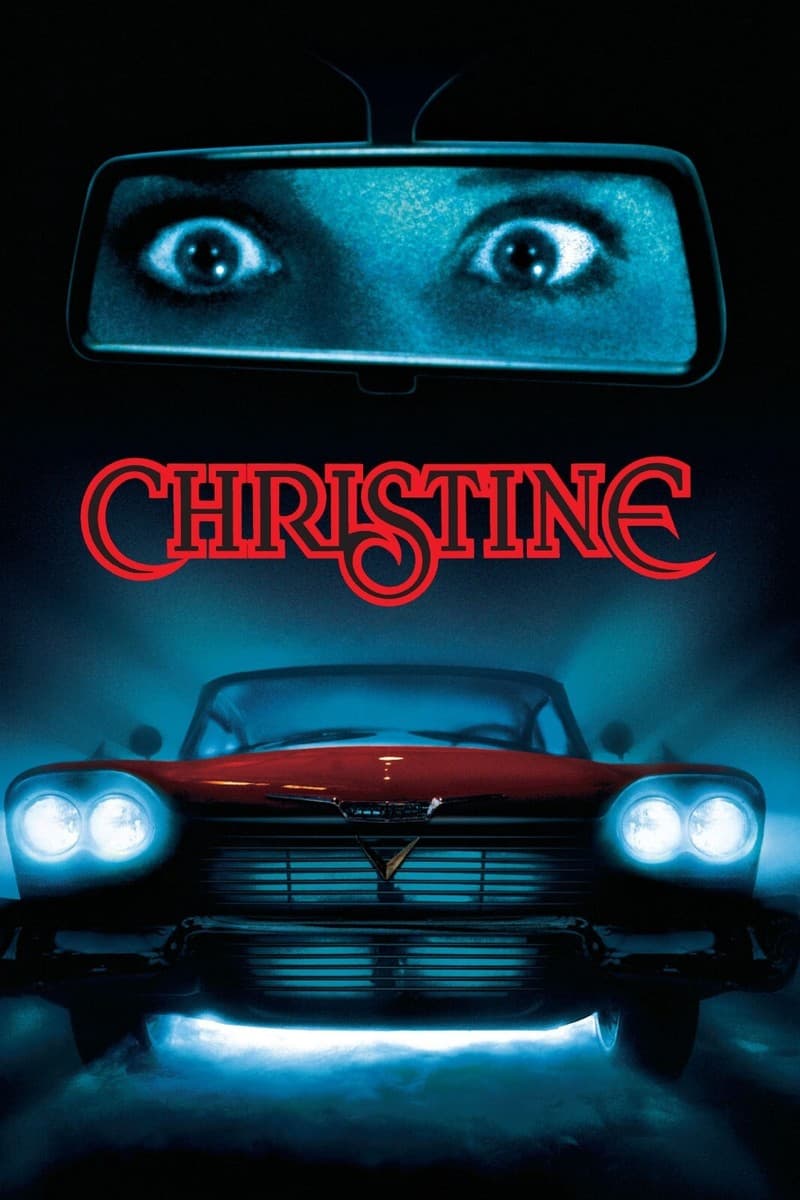
1983
Christine
Obsession, adolescence and a car that won't let go.
Read our take →