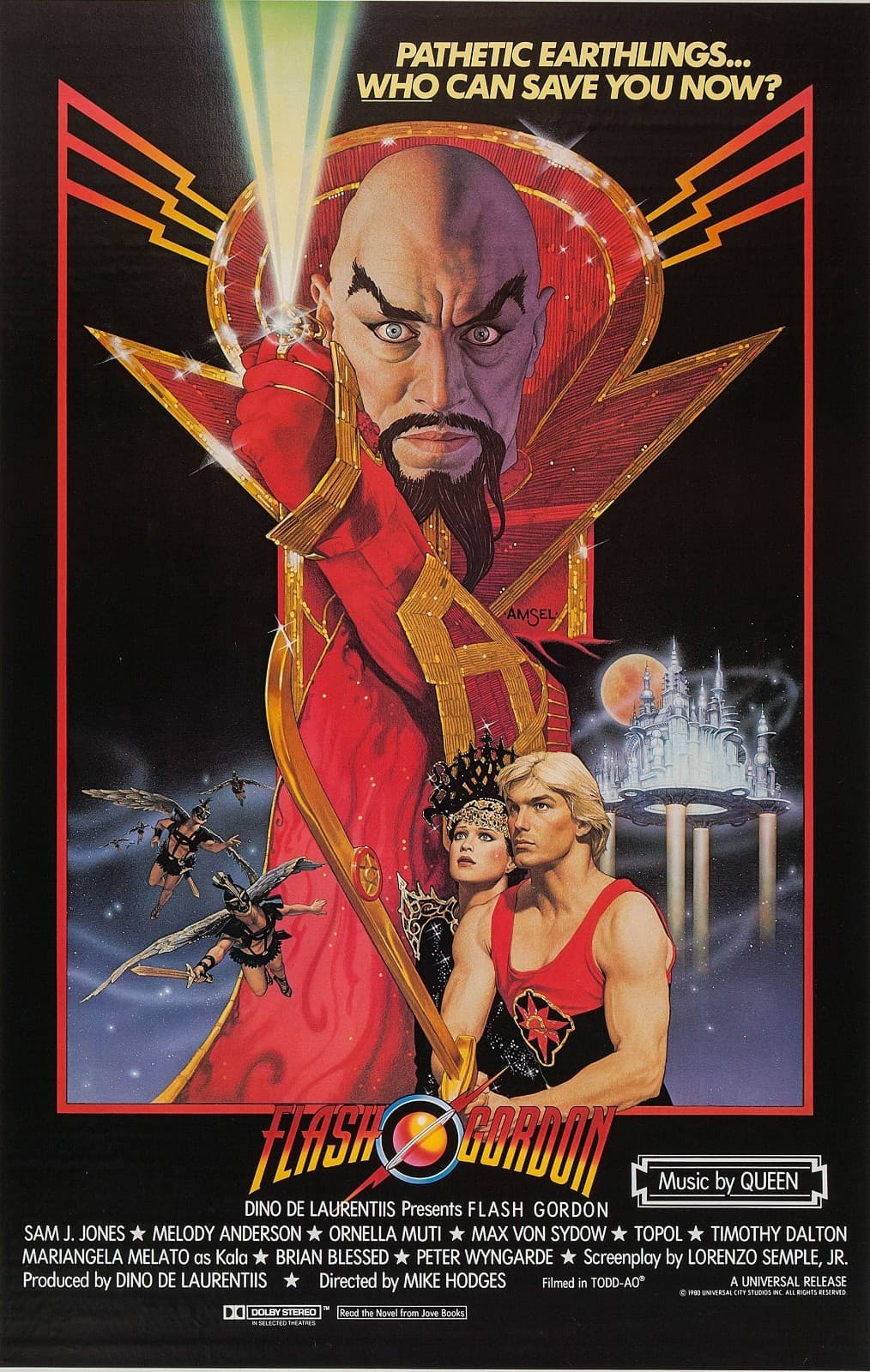
The setup
Flash Gordon is that rare 1980 film you remember if you've seen it, and immediately picture if you haven't. It's loud, theatrical and utterly unapologetic about being a comic-strip adventure brought to life, from the bigger-than-life hero to the fanfare that sounds like someone turned the volume up on spectacle. If you're wondering whether it still dazzles, stick around — there's more method to the madness than the popcorn gloss suggests.
THE MOVIE
Flash Gordon is still the reason this movie works
There’s something immediately infectious about a film that has the confidence to admit it’s based on a pulpy comic strip and then lean into that admission until it becomes the whole point. Flash Gordon isn’t coy about being theatrical; it trades in broad gestures, set-piece bravery and a hero who behaves like he’s walked out of the Sunday papers and onto a movie screen.
That hero — Flash, the archetypal pulp outsider whose courage drags a whole alien world into revolt — is the engine. He arrives from Earth, gets caught up in Dr. Hans Zarkov’s desperate experiments and ends up on the planet Mongo to face Emperor Ming. The story’s big beats are the sorts of things that work best when someone simply throws themselves at them, and that’s exactly how this film is structured.
Mike Hodges directs, the rock band Queen supply a score that doubles as fanfare, and the production is plainly proud of its craft: costume and design choices, model work and a large crew of effects technicians all point to a movie that prefers staged pageant over anything shy or naturalistic. It’s an unabashed comic-strip movie with enough theatrical swagger to make its simplicity feel like an aesthetic choice rather than a shortcoming.
THE SETUP
The idea that sets Flash Gordon in motion
At its simplest, Flash Gordon is a rallying story. Earth is threatened by strange energy emissions; Flash’s one-man brand of courage becomes the pivot for an effort to stop Ming and save the planet. It’s a classic bring-the-outsider-in tale: a sportsman from Earth turned reluctant liberator on Mongo.
That outsider status is doing a lot of work. Flash arrives from another world and immediately becomes the glue between rival leaders — think feuding princes who must be persuaded to fight a shared tyranny. Those alliances are as important to the plot as any single duel or chase.
The film moves through a handful of distinct realms — the courtly centre, Arboria, Mingo City — each serving as a set-piece location where character loyalties and power shifts are staged. The production and costume design were deliberately prominent, with Danilo Donati credited for that design work after a change in art direction during production.
All of which means the story’s pleasures are structural as well as visual: the push-pull of rivals forced to cooperate, the outsider’s physicality thrown into political stakes, and a series of theatrically composed sequences that keep the momentum going without pretending to be anything but entertainment.
THE CHARACTER
Why Flash Gordon matters
Flash Gordon is, in conception, very straightforward: a brash, physical archetype who leads by courage and momentum. Sam J. Jones plays the part as the film’s central thrust — the man who charges first and asks questions later — and the plot trusts him to keep the story moving.
What makes Flash memorable isn’t subtle psychology but clarity of purpose. He’s an outsider from Earth whose athleticism and refusal to back down become political acts on Mongo. In a film that delights in spectacle, a hero who can physically cut through a problem is exactly the right choice.
He’s also tethered to something softer: Dale Arden occupies the role of companion and emotional anchor. Their bond pops up again and again in the set pieces, giving the action a repeated human stake beyond the grand rhetoric of planetary doom.
Put simply: Flash gives the film its pulse. The story can be theatrical and sometimes absurd, but the presence of a straight-ahead pulp hero keeps those theatrics honest — they exist to be borne by someone who knows how to lead the charge.
UNDER THE SURFACE
Flash Gordon has more on its mind than the plot suggests
You can enjoy Flash Gordon as pure spectacle, but it’s also cheerfully invested in the language of pulp and 1930s serials. That homage is not a disguise; it’s the point. The film borrows the rhythms and moral mathematics of those sources and dresses them in loud, theatrical terms.
Spectacle and theatricality are deliberate choices here. The movie prefers staged pageantry to realism; it makes a virtue of its constructedness. Scenes are designed to look like set pieces, and the visual decisions announce themselves with pride rather than trying to blend into plausibility.
Underneath the sequins and fanfare is a straightforward political throughline: heroism versus authoritarianism. Ming is the archetypal tyrant and Flash the archetypal resistor. The conflict is moral in a pulp way — tyranny must be opposed, and courage can be contagious.
There’s also an unexpectedly affecting element in the coalition-building. Flash’s success depends on bringing rivals together — princes who must put aside feuds and fight a common enemy — and that loyalty-amid-division motif gives the film some genuine narrative ballast beneath its glossier surfaces.
THE FILMMAKING
How Flash Gordon was put together
The film’s look was carefully considered. Gilbert Taylor is credited as cinematographer, and the visual approach deliberately nods to the bright colours and dramatic compositions of the original comic-strip source and the serialized adventures that inspired it.
That choice matters because it signals intent: Flash Gordon isn’t trying to disguise its theatricality as naturalism. Instead, the camera and lighting are part of the pageant — the film composes shots to read like panels or tableaux rather than furtive slices of reality.
There’s also the industrial context. Flash Gordon was made at the high tide of space-opera filmmaking in the late 1970s and early 1980s; its greenlight and marketing were linked to that wave in which producers were looking for the next big spectacle after the huge success of earlier space adventures.
All of this frames the film as a deliberate piece of showmanship — a movie constructed to look and feel like a larger-than-life comic-strip event, not a slice of lived-in science fiction.
PRACTICAL EFFECTS
The effects work that gives Flash Gordon its physical personality
A large part of this film’s tangible charm comes from the hands-on craft credited in the production. Model-makers built physical miniatures for spaceships and cityscapes, giving exterior shots a concrete miniature reality rather than something wholly generated.
Those models were married to live-action through matte paintings and blue-screen compositing, with optical printing used to integrate the separate elements into single shots. The result is a layered, crafted feel: a collage of techniques rather than a single invisible illusion.
A special-effects crew — including a named supervisor and multiple technicians — ran the technical side, handling everything from flying rigs to miniature preparation and compositing. That many-hands approach is visible in the film’s texture: it reads like a collective piece of workmanship.
In short, Flash Gordon’s physical personality comes from artisanal effects work; the movie’s look is the product of model-making, painted skies and conventional optical technology, all assembled to serve the theatrical ambition.
PURE 80S
Flash Gordon could not belong to any other decade
Flash Gordon is a product of a particular industrial moment. It was made as an international project with an American presenter-producer and extensive European creative input — a late‑1970s/early‑1980s model for big-genre filmmaking where costs and talent crossed borders.
That moment also included a hunger for space opera. The film’s greenlighting and marketing were connected to the era’s search for the next event picture after earlier sci‑fi hits, and Flash wears the ambitions and compromises of that search visibly on its sleeve.
Musically, the involvement of Queen for the soundtrack ties the film to the period’s crossover between rock and film spectacle. The soundtrack was released at the time and became one of the movie’s most immediate associations.
Put together — international production, space-opera ambitions and a rock band soundtrack — Flash Gordon reads like a film of its era: loud, collaborative across continents and unapologetically built to be noticed.
WATCHING IT NOW
What has aged — and what hasn't
There are durable parts of Flash Gordon that continue to reward rewatching. Retrospectives and home‑video discussions consistently point to the production design and saturated visual palette, along with the Queen soundtrack, as the film’s most distinctive and reappraised elements.
The fact that the film received an archival 4K restoration and multi‑disc collector releases around its 40th anniversary — work presented via StudioCanal and reportedly approved by Mike Hodges — shows there’s curatorial interest in preserving that visual presentation. Restoration treats the look as worth keeping crisp.
That isn’t to say the movie is flawless as modern entertainment. Its theatricality and schematic plotting remain front and centre: viewers either lean into that deliberate artifice or they don’t. The bits that still sing are the ones that were never trying to be subtle.
So when it works today, it’s because the viewer accepts the film on its own terms: an exaggerated, hand-crafted space-opera that delights in design, pageant and a rock-fuelled sense of momentum.
THE LEGACY
Why Flash Gordon still matters
The film’s musical association is immediate: Queen’s soundtrack was released alongside the film and remains the single best-known sonic tie to the movie. The music helps package Flash Gordon as spectacle — something you feel as much as you watch.
Visually and tonally the movie has become a cult touchstone. Its production design and certain performances — notably Brian Blessed’s Prince Vultan, whose outcries are frequently mentioned in retrospective coverage — are the touchpoints people return to when they talk about the film.
That attention isn’t only nostalgia. The 4K restoration and multi-disc collector editions issued around the 40th anniversary underline ongoing market interest and preservation efforts, which keeps the film in circulation for new viewers and collectors alike.
In short: Flash Gordon matters because it’s memorable in ways that are specific and repeatable — a striking soundtrack, flamboyant design and a handful of moments that television clips and discussions keep alive.
THE VERDICT
Does Flash Gordon still hold up?
Yes — if you understand what you’re signing up for. This is a film about a brash pulp hero (Flash) who’s dragged into a planetary struggle and, by force of personality and alliances with Mongo’s princes, becomes the catalyst for a revolt against Ming. It’s plotted as a series of dramatic tableaux and alliances rather than a subtle character drama.
If you want slick, invisible modern effects and low-key realism, this won’t be your cup of tea. But if you enjoy theatrical, hand-made spectacle — model work, painted skies, and a soundtrack that announces itself like a call to arms — Flash Gordon still delivers. Its pleasures are specific: bold design choices, the thrill of coalition-building among rivals, and moments that genuinely stick in the memory.
The movie’s continued preservation — including a director-approved 4K restoration and collector releases — suggests curators and audiences find worth in its visual personality. And certain beatable moments, shouted lines and musical fanfare ensure it remains a film people talk about.
So should you watch it? If you’re up for an energetic comic-strip adventure with all of its theatrical flourishes intact, yes. Flash Gordon asks you to enjoy spectacle on its own terms; when you do, it still has the power to be exhilaratingly, unmistakably itself.
Share this movie
Keep watching
More movies from the 80s
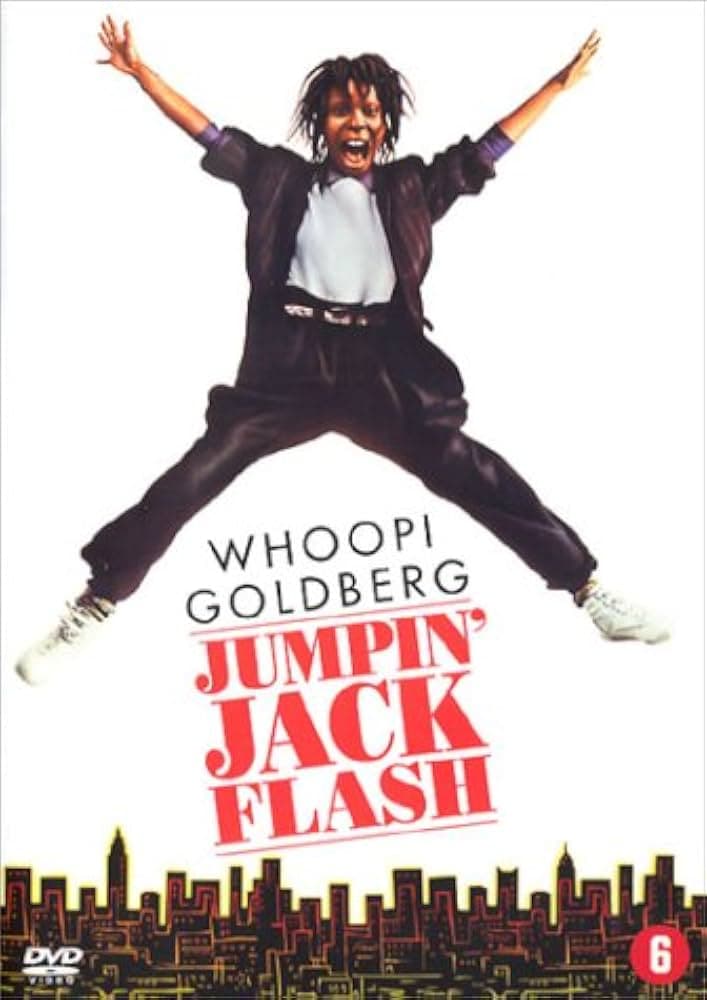
1986
Jumpin' Jack Flash
Jumpin' Jack Flash: our relationship with technology and freedom, and why this 1986 movie still matters.
Read our take →
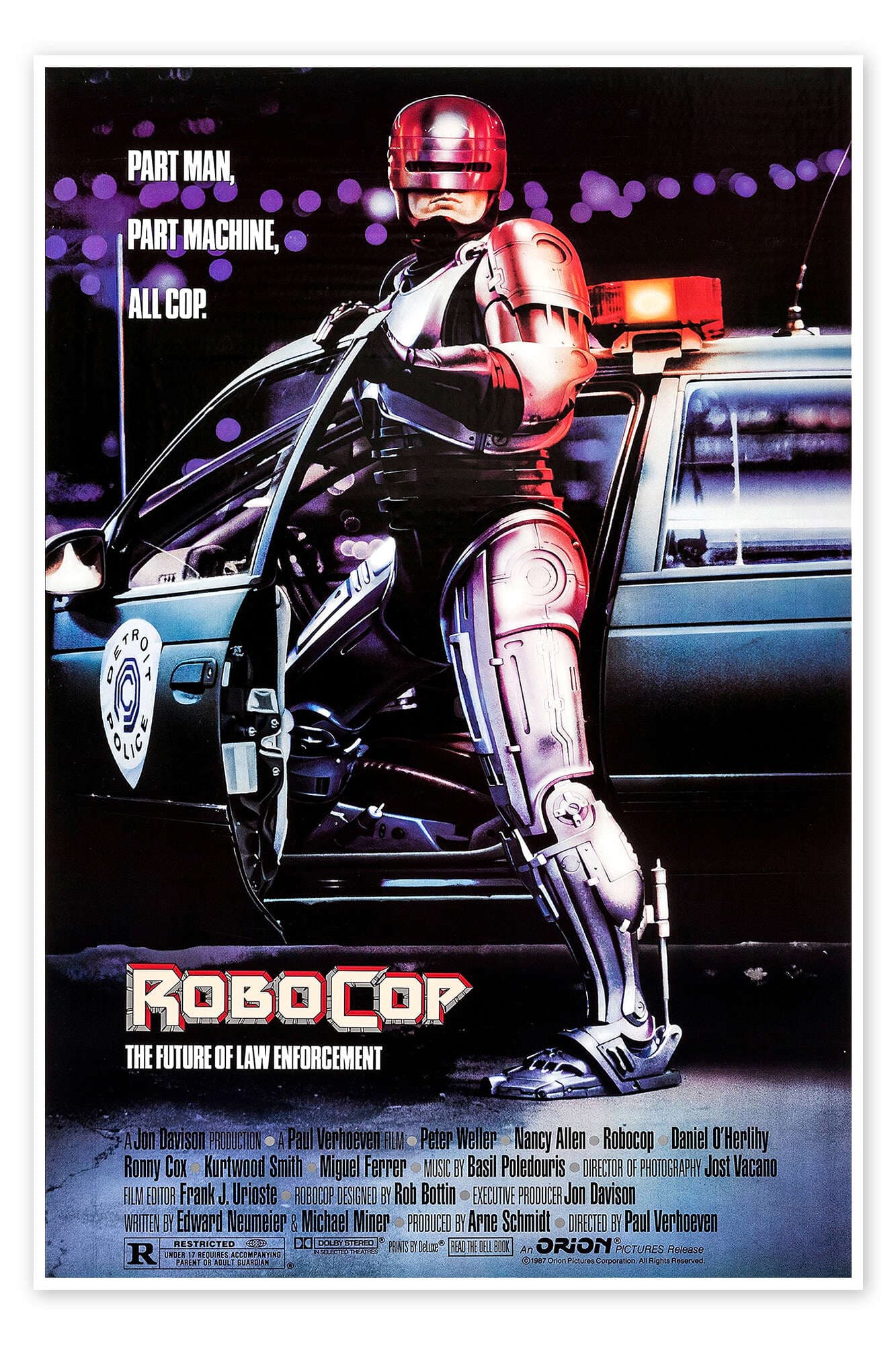
1987
RoboCop
A murdered cop rebuilt as a product — RoboCop still asks who gets to sell justice.
Read our take →
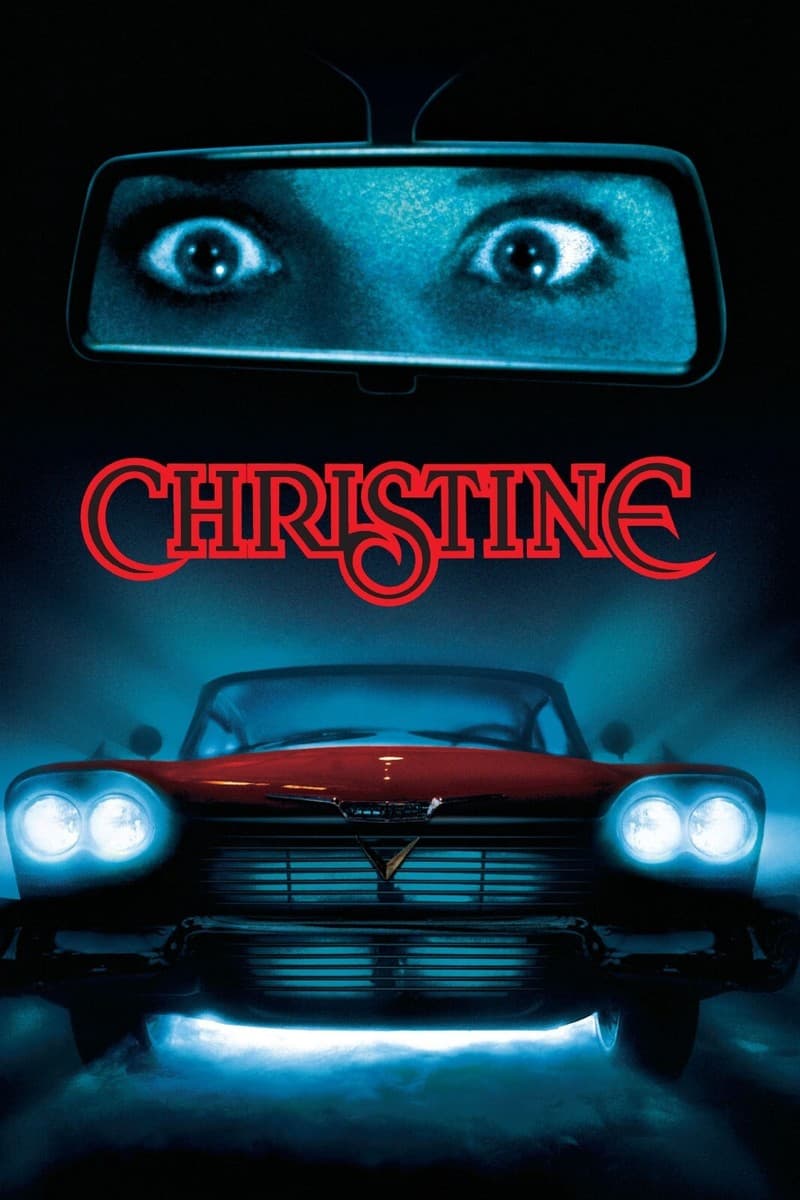
1983
Christine
Obsession, adolescence and a car that won't let go.
Read our take →