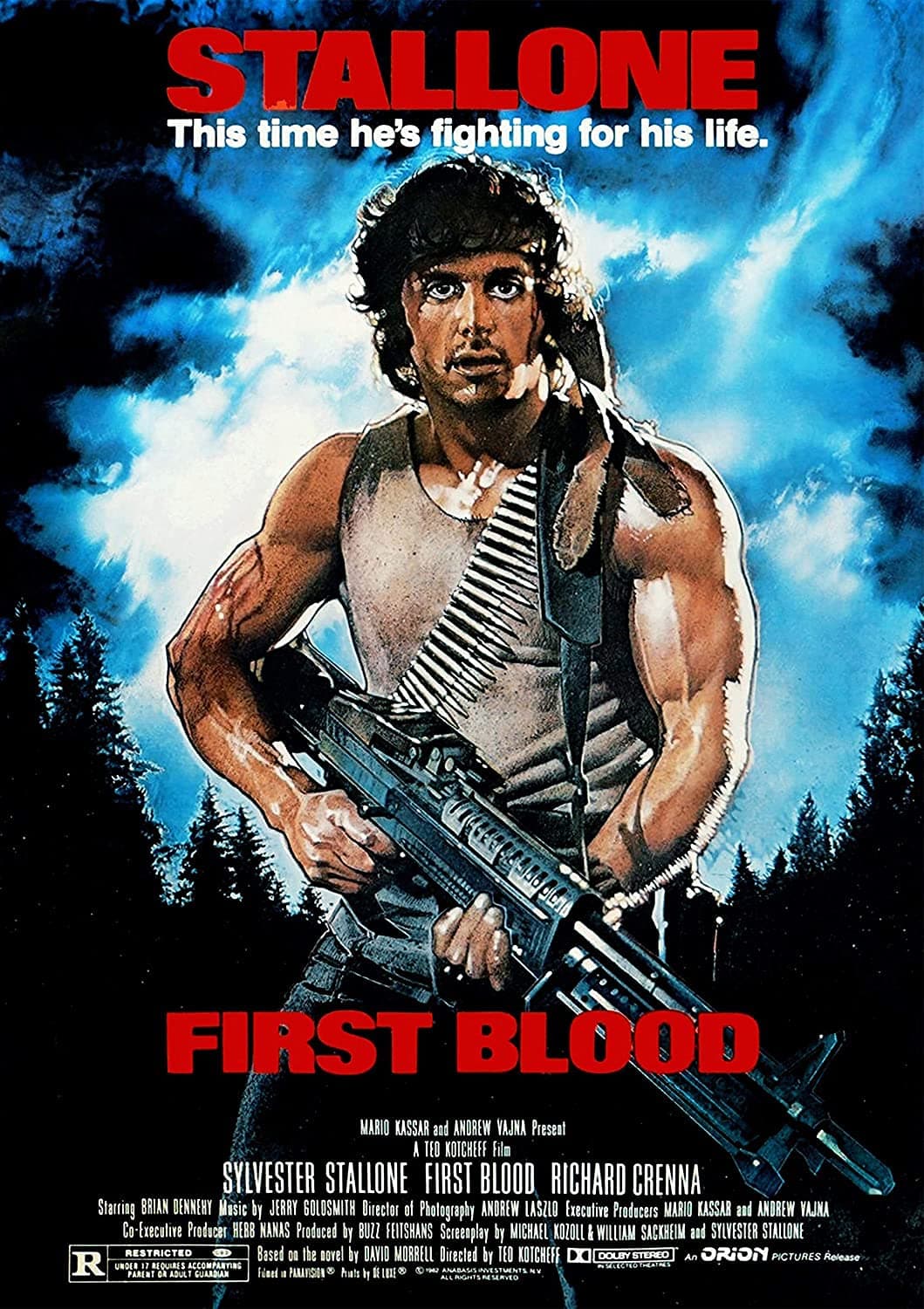
The setup
There are lots of reasons people keep coming back to First Blood, but it starts very simply: a Vietnam veteran, arrested for vagrancy, slips into the woods and turns a routine police action into something much nastier. Ted Kotcheff’s lean 1982 thriller gives us a manhunt that’s also a reckoning — about untreated trauma, bungled authority and what happens when a trained fighter is humiliated rather than helped.
THE MOVIE
John Rambo is still the reason this movie works
First Blood hooks you with one quiet, ugly moment: John Rambo arrives looking for an old comrade, is arrested for vagrancy and a concealed weapon, and the town’s attempt at a straightforward police job doesn't end there. That arrest is the match that lights the whole thing.
What turns the situation radioactive is the discovery of Rambo’s combat background. He isn’t a local roughneck — he’s a trained Vietnam veteran whose reactions are shaped by war. A routine law-enforcement action becomes a life-or-death hunt almost the instant those two facts collide.
Ted Kotcheff keeps it tight — a 94-minute picture about a taciturn drifter whose behaviour and flashbacks point to untreated combat trauma and a desperate need for humane treatment more than confrontation. It’s a neat set-up that explains why people are still talking about First Blood: it’s simultaneously an action movie and a small, angry story about what happens when institutions don’t know how to respond.
THE SETUP
The idea that sets First Blood in motion
Keep the premise simple: a Vietnam veteran shows up in the Pacific Northwest, is arrested, and escapes into the surrounding wilderness. Once outside town, Rambo uses survival instincts and military training to evade capture — and the local police discover, often to their cost, that conventional tactics don’t work on him.
That mismatch is the engine. The central conflict is less about right or wrong and more about escalation: one highly trained ex‑soldier versus local and state authorities whose rules of engagement are built for ordinary criminals, not guerrilla-style opponents.
The film structures itself like a cat-and-mouse manhunt. Rambo’s survival skills let him set traps and stay ahead of his pursuers; the longer the chase goes on, the more paperwork and reinforcements arrive, and the stakes rise accordingly.
Behind the scenes it wasn’t fixed in stone — the screenplay went through several rewrites and the production shot more than one ending. The version that survived test screenings, with Rambo still alive, is the one that reached cinemas.
THE CHARACTER
Why John Rambo matters
Rambo arrives as a taciturn drifter. He isn’t chatty, and the film is careful to show that his disconnection comes with a history: flashbacks and behaviour that point to untreated combat trauma. That combination — mystery plus clear signs of injury — makes him oddly magnetic.
He’s not just a tough guy who knows how to booby‑trap a forest; he’s a person whose skills were forged by war and who hasn’t been welcomed home properly. That need for recognition and humane treatment sits behind every one of his choices in the story.
It’s worth noting that the character’s shape on screen comes from the script as much as the performance: Sylvester Stallone is credited as one of the writers and performed multiple rewrites during pre-production. The result is a Rambo who feels written into the film’s fabric rather than pasted on as an action figure.
Finally, the plot keeps the focus on Rambo’s resourcefulness. The movie centres on a veteran who, after arrest, escapes into the wilderness and uses his training to evade and, when pushed, to retaliate. That clarity keeps the character memorable.
UNDER THE SURFACE
First Blood has more on its mind than the plot suggests
On paper First Blood is a taut manhunt. Underneath, it’s a movie about how a string of avoidable decisions turns a small incident into spectacle. The escalation of violence in the film feels deliberate: miscommunication and institutional hubris feed the problem as much as Rambo’s presence in the woods.
Another core idea is PTSD and reintegration. Rambo isn’t an abstract danger — he’s a returned soldier whose behaviour shows the scars of combat. The film keeps nudging us toward the uncomfortable question: how do you treat people trained to kill when they don’t fit civilian life anymore?
Authority versus the outsider is the third strand. The local sheriff and later state authorities react as institutions, with rules and a need to assert control; those responses are ill-suited to an opponent who operates by different rules.
Finally, survival and military training aren’t just set pieces. They’re the grammar of the story. Rambo survives because of what he learned in war, which makes the hunt feel like a collision between two worlds that barely speak the same language.
PRACTICAL EFFECTS
The effects work that gives First Blood its physical personality
First Blood’s physicality comes from real stunts and real risk. The production used practical stunt performers and an array of stunt coordinators; contemporary records note that cast and crew sustained serious injuries during filming, which underlines how physical the shoot could be.
The shoot also had its share of on-set incidents: contemporary reporting documents a theft of prop weapons that had been altered to fire blanks. It’s a reminder that the film’s danger was, at times, less than fictional.
PURE 80S
First Blood could not belong to any other decade
First Blood arrived in October 1982, around seven or eight years after active American combat in Vietnam had ended. That timing matters: the film sits inside an early‑1980s reassessment of Vietnam-era subjects, when filmmakers and audiences were still working out how to tell those stories.
Part of the picture’s stance comes from deliberate choices by the production: the filmmakers softened aspects of the source novel to present Rambo as less psychotic and more sympathetic. That move makes the film feel of its moment — not a simplistic revenge fantasy, but a movie trying to find a compassionate angle amid the anger.
Its release also has a practical consequence: First Blood didn’t remain a one-off. The film directly launched the Rambo franchise, with Rambo: First Blood Part II following in 1985, which helped cement the character’s place in 1980s action cinema.
Finally, although the story is American and set in the Pacific Northwest, principal photography was shot in British Columbia. That production detail is a small example of how films of the period balanced stories about American experience with shooting logistics elsewhere.
THE LEGACY
Why First Blood still matters
First Blood matters in large part because it started something concrete: the film launched the Rambo franchise and directly led to sequels that carried the character forward.
Its commercial reach at the time was significant — contemporary reporting records the picture’s commercial success and notes international box-office records in several territories, plus multiple later re-releases and anniversary screenings. That continued visibility is part of why the film remains in circulation.
There were also real-world complications: industry reporting records public legal disputes over profits involving the novel’s author and production and distribution entities. Those disputes are a reminder that a movie’s afterlife isn’t just about art; it’s about money and ownership too.
Taken together, the franchise, the box-office footprint and the business wrangles explain why First Blood still appears in conversations about 1980s cinema and returning-war stories.
THE VERDICT
Does First Blood still hold up?
Yes — and not for sentimental reasons. First Blood’s tight premise (a Vietnam veteran arrested in a small town who then becomes the focus of an escalating manhunt) still produces tension. The central conflict — a single, highly trained ex‑soldier facing local and state law enforcement whose tactics are unsuited to a guerrilla opponent — remains clear and urgent.
The film’s economy helps: at roughly 94 minutes it doesn’t linger on set pieces for their own sake. The cat-and-mouse structure, where Rambo relies on survival and military training to evade capture and set traps, keeps the momentum moving and the stakes believable.
There’s also an emotional through-line that matters. Rambo arrives as a taciturn drifter whose trauma and need for humane treatment drive his choices; Trautman’s role as the only person who understands him provides the thin human hand that keeps the story from becoming mere spectacle. That balance — person plus pursuit — is what makes First Blood stick in the memory.
Contemporary reaction recognised some of this: reviews singled out Stallone and also named Richard Crenna and Brian Dennehy among strong supporting players. So if you’re choosing what to watch today, First Blood is worth your time as a compact, sometimes uncomfortable action drama that remembers the cost of returning from war. It’s a reminder that the most terrifying thing isn’t a man trained to fight — it’s a system that hasn’t learned how to help him come home.
Share this movie
Keep watching
More movies from the 80s
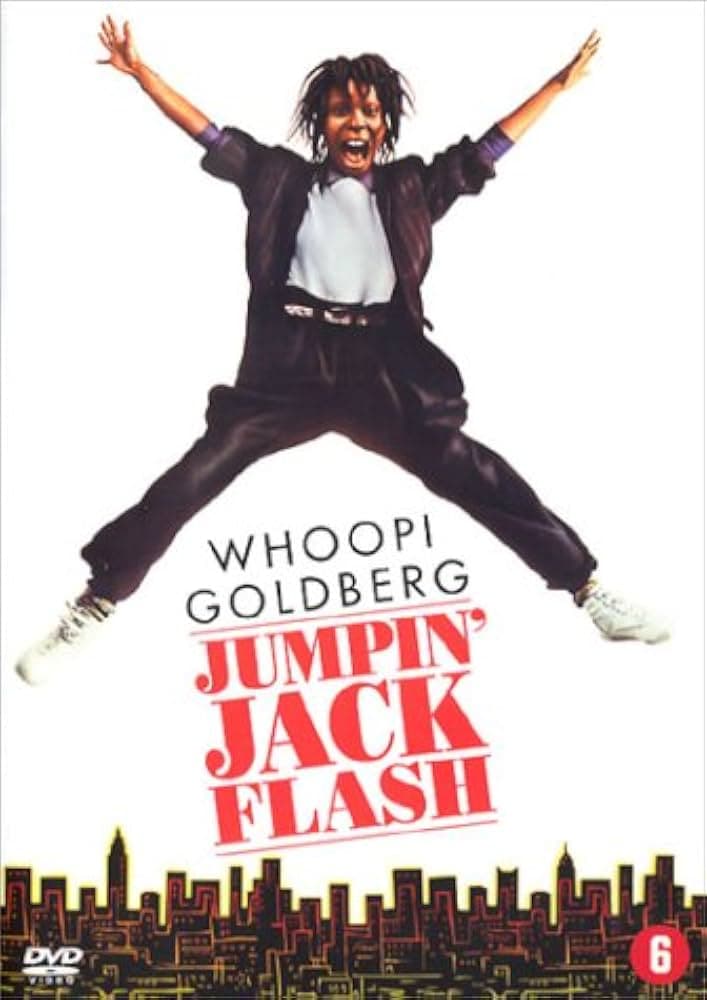
1986
Jumpin' Jack Flash
Jumpin' Jack Flash: our relationship with technology and freedom, and why this 1986 movie still matters.
Read our take →
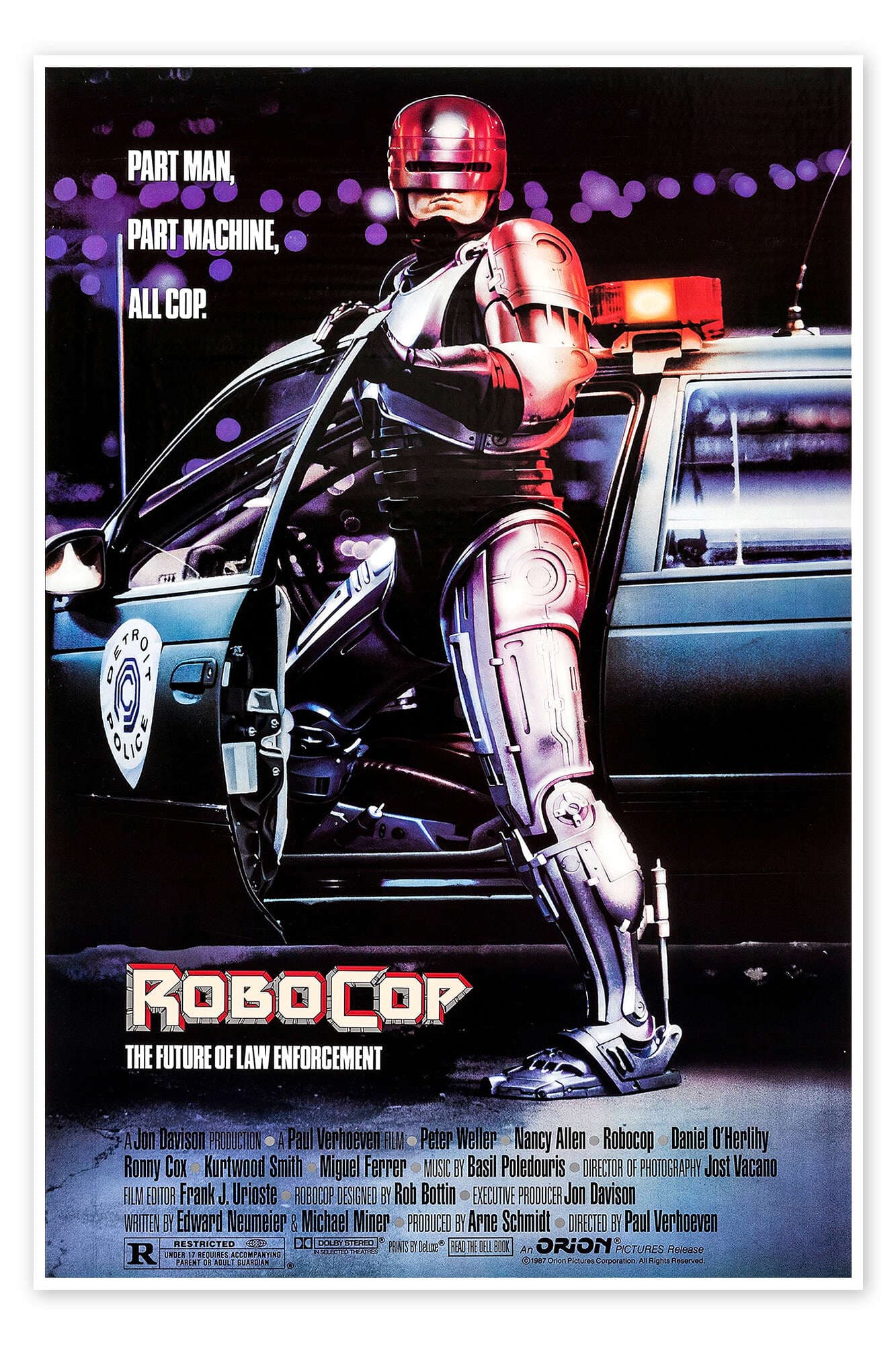
1987
RoboCop
A murdered cop rebuilt as a product — RoboCop still asks who gets to sell justice.
Read our take →
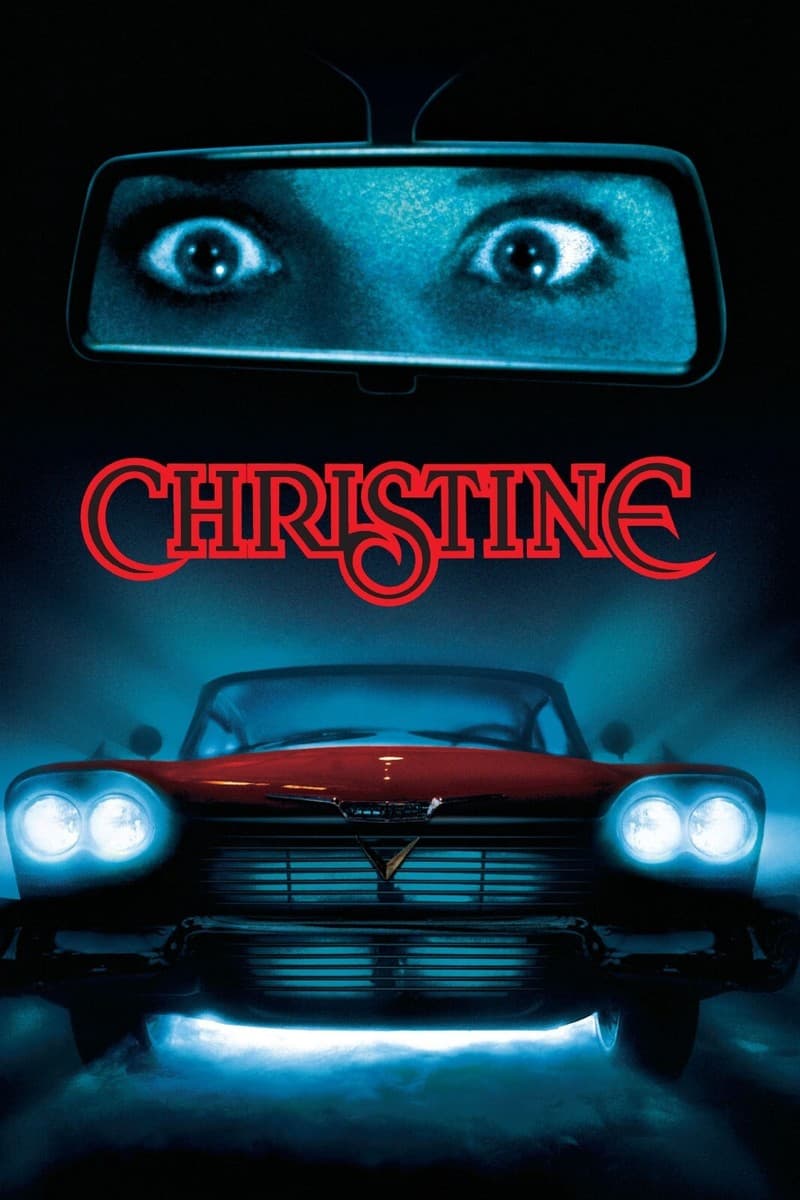
1983
Christine
Obsession, adolescence and a car that won't let go.
Read our take →