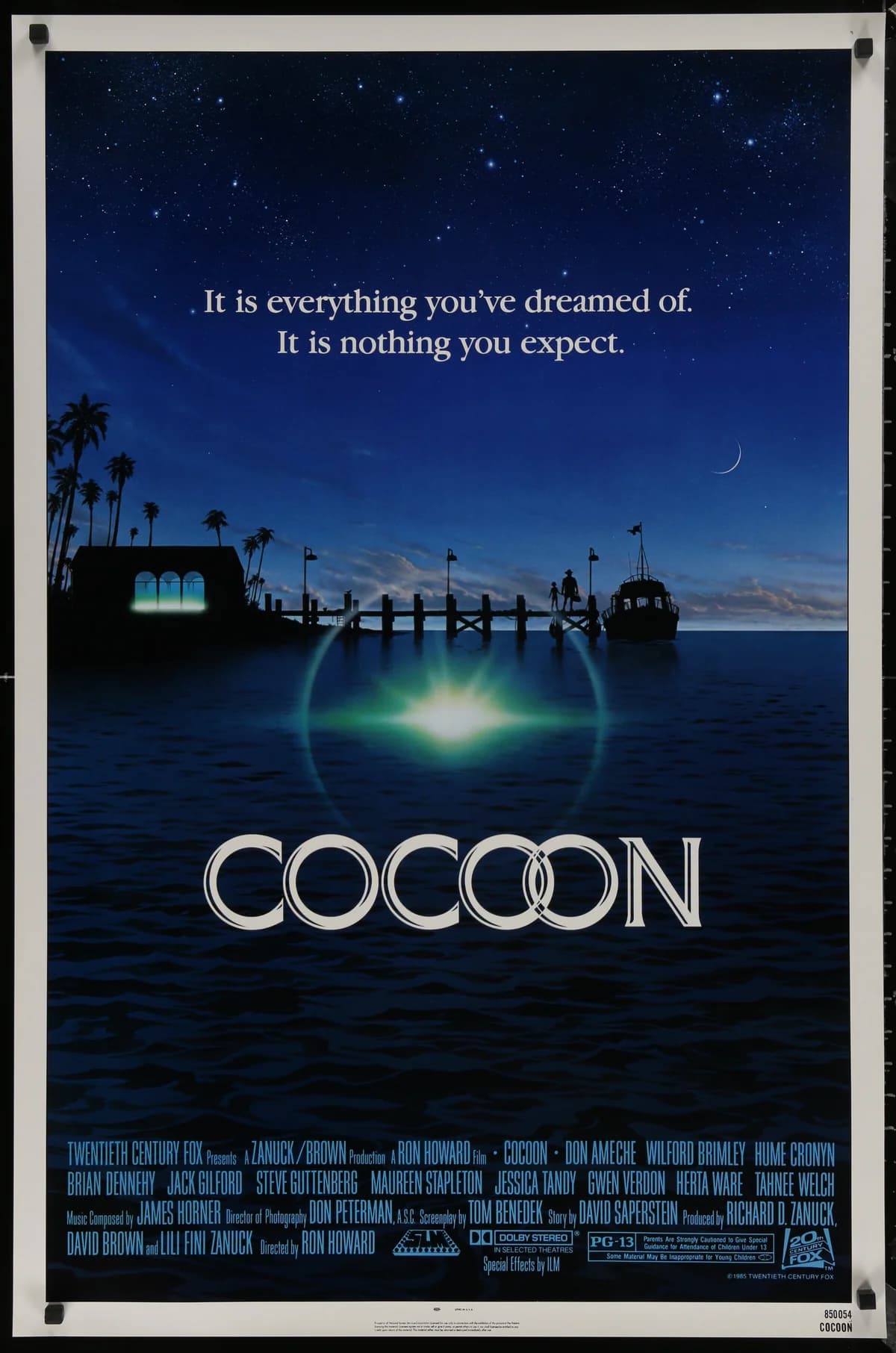
The setup
Cocoon is the kind of film that sneaks up on you: a gentle science-fiction premise wrapped in a human story about getting a last shot at life. It trades laser-scrutinised space science for elderly people rediscovering mischief, desire and strength — and, yes, one man in particular who gives the whole thing its heart.
THE MOVIE
Art Selwyn is still the reason this movie works
You remember the pool before you remember the spaceship. Cocoon begins with something odd discovered off the Florida coast, and those mysterious objects end up sitting, very inconveniently, in a swimming pool beside a retirement community. It’s a tidy trick: give a modest set-piece (a back-yard pool) an impossible secret and watch the neighbours change.
What follows is straightforward and irresistible cinema arithmetic — a group of residents find that a dip in that particular pool brings back energy, movement and, crucially, a reversal of the small cruelties of old age. Rejuvenation is the engine; everything human is the fuel.
And at the centre of it all is Art Selwyn. He’s part of the core circle whose newfound vitality pushes the plot forward, and his story is where the film’s themes of friendship, ageing and choice stop being abstract and start to feel like real, stubborn people making decisions.
THE SETUP
The idea that sets Cocoon in motion
Cocoon’s premise is economical: ordinary people, an extraordinary discovery, and a moral choice. A group of retirees living close to a pool discover that something about the water — and whatever’s been stored in it — gives them renewed vigour.
The immediate question the film asks isn’t technical. It isn’t how the miracle works; it’s what the miracle does to people. Suddenly stronger, more alert and physically younger in ways that matter, the characters face decisions they’d thought were long past.
That set-up allows the story to sit between comedy and drama. You get the fun of seeing older characters reclaim parts of life — and the weight of watching them reckon with consequences, relationships and responsibilities they can’t simply walk away from.
Ron Howard keeps the focus on people rather than science: Cocoon is built around an ensemble of veteran actors and a younger boat captain who becomes involved with the phenomenon, while the aliens — when they’re felt at all — remain largely benevolent and mysterious.
THE CHARACTER
Why Art Selwyn matters
Art Selwyn isn’t a grand mythic hero. He’s a retired man who finds himself given another shot at feeling alive — and that small, stubborn human truth is everything. Art’s new energy spurs choices and moments that ripple across the group.
Because he’s part of the core circle, Art’s reactions become the narrative thermometer. When he laughs, the movie lightens. When he hesitates, the stakes return. The story depends on him as much as he depends on his friends — friendship is literally the glue that holds the plot together.
That centrality is why the character lodges in the memory: he’s the face of the film’s questions about what we do when time is suddenly no longer the enemy. He gives the film its compass.
And for the record, Don Ameche plays Art Selwyn — a casting choice that anchors the whole ensemble and helps make the character feel like someone you’d miss after the credits roll.
THE PERFORMANCE
Why Don Ameche's performance matters
You don’t need to describe every scene to know this casting mattered: Don Ameche’s work in the film earned him the Academy Award for Best Supporting Actor. That’s a clear signal the performance did something significant for viewers and voters at the time.
An award doesn’t tell you every detail, but it does say this — the role of Art Selwyn was treated by the industry as central to Cocoon’s emotional pull. The performance helped the film sell its premise: that renewed youth can be funny, tender and complicated all at once.
Within the film’s ensemble structure, Ameche’s part acts as a pivot. The recognition the role received underlines how the character helps the audience care about the choices on screen.
Put simply: the Oscar is a piece of evidence that the movie’s gamble — asking us to follow older characters into a sentimental, slightly fantastical space — paid off in a concrete way.
UNDER THE SURFACE
Cocoon has more on its mind than the plot suggests
On the surface it’s a family-friendly alien-contact story. Underneath, it keeps returning to ageing and mortality — not as an idea to be solved, but as a lived fact the characters must navigate when given fresh choices.
Rejuvenation here functions as a kind of second chance. It’s less about escaping the realities of life and more about the opportunity to set things right: reconnect, forgive, or do things that age once put out of reach.
Friendship matters because the film makes community central to the experience of revival. The group’s bonds are the thing that gives renewed vitality a purpose beyond self-indulgence.
And because the aliens’ intentions remain benevolent and fairly mysterious, Cocoon frames those big themes — ageing, second chances, friendship, mortality and the tension between choice and escape — in a human, accessible language.
THE FILMMAKING
How Cocoon was put together
Cocoon’s look supports its mood rather than calling attention to itself. Don Peterman served as cinematographer and Jack T. Collis handled production design, which together produced a bright, warm, hot-weather aesthetic that suits the story’s Florida setting.
That choice matters because the film is selling a contrast: leisure, sunlight and warmth against the cool idea of mortality and the chill of being aged. The visual tone quietly underlines the emotional stakes without shouting.
Ron Howard keeps things straightforward as a director — the camera and design work provide a comfortable stage where performances and human interaction take centre stage.
For a story that hinges on small, human moments feeling extraordinary, the filmmaking leans into clarity and warmth rather than flash, which is precisely the point.
PRACTICAL EFFECTS
The effects work that gives Cocoon its physical personality
Cocoon needed to sell alien objects, strange creatures and aquatic oddities without swallowing the human story. Industrial Light & Magic supervised and produced the film’s visual effects, with Ken Ralston overseeing that work.
The physical cocoons and the dolphin effects were created by Robert Short Productions, Inc., giving the film tangible objects to react to in real space and on real sets.
Special-creature contributions come with familiar names: Greg Cannom handled special alien creatures and effects while Rick Baker served as a special-creature consultant. Those credits explain why the film’s tactile elements feel credible.
All of this is arranged so the effects support the characters rather than hog them — the creatures and cocoons are props to human transformation, not the other way around.
PURE 80S
Cocoon could not belong to any other decade
Cocoon sits squarely in a mid‑80s moment when mainstream, family-friendly science fiction often chose human stories over hard technical exposition. It’s the sort of picture that asks you to care about people first and alien mechanics second.
The film follows Splash in Ron Howard’s early interest in blending the fantastical with a sentimental, people-focused tone. Both films favour feeling and relationship over scientific explanation.
Released in 1985, Cocoon fits that era’s appetite for adventure that comforts rather than puzzles. It’s a PG‑13 movie that aims to be accessible to families while still engaging with weighty themes.
Production itself leaned into the period: principal photography began in 1984 in St. Petersburg, Florida, with later work in the Bahamas — locations that help the picture lean into its sunlit, everyday-exceptional mood.
WATCHING IT NOW
What has aged — and what hasn't
Two things travel well to the present: the film’s focus on friendship, and its choice to foreground human relationships over alien science. Those elements remain direct and affecting — they don’t rely on period-specific tricks.
Cocoon asks questions about companionship, community and second chances in language that’s still simple and persuasive. That makes the emotional spine of the film easy to follow today.
Its family-friendly tone also helps: the story’s emphasis on character beats rather than technical explanation means modern viewers who care about people will still find something here.
Where it might feel dated is in the sentimental register — the film sometimes prefers tidy emotional resolutions — but the core of friends choosing one another is a durable watch.
THE LEGACY
Why Cocoon still matters
Cocoon walked away from its moment with tangible recognition: it won two Academy Awards, including Best Supporting Actor for Don Ameche and Best Visual Effects. Those wins are evidence the film resonated both emotionally and technically.
It mattered enough to return in a direct sequel in 1988 that brought back most of the principal cast — a clear sign the story had an audience worth revisiting.
Beyond trophies and follow-ups, Cocoon remains a frequently mentioned example of 1980s mainstream sentimental science fiction — a crowd-pleasing film that mixed genre ideas with accessible human drama.
If you talk about emotional, family-friendly takes on aliens from that decade, Cocoon still crops up because it married a modest special-effects spectacle to stories about friendship and aging in a way that played to wide audiences.
THE VERDICT
Does Cocoon still hold up?
Yes — if you’re watching for the people. The film’s premise (a pool touching alien cocoons that restore vitality) is a neat narrative device, but what keeps the movie breathing are the choices the characters make about whether to stay with renewed youth or to return to the lives they left behind.
The ensemble structure — an older group at the story’s centre plus a younger boat captain who becomes involved — gives weight to that dilemma. The film isn’t interested in technical answers; it asks how people face the chance for a second life.
Don Ameche’s Art Selwyn is a vital reason the film works; his role anchors the emotional core and is one of the things the film still offers a modern viewer: a believable human hook amid the fantasy.
So should you watch it? If you want a warm, occasionally sentimental science-fiction film about friendship, ageing and second chances, directed with steady hands by Ron Howard and running a tidy 117 minutes, Cocoon still rewards. It’s not trying to astonish with science — it’s trying to make you care, and largely succeeds.
Share this movie
Keep watching
More movies from the 80s
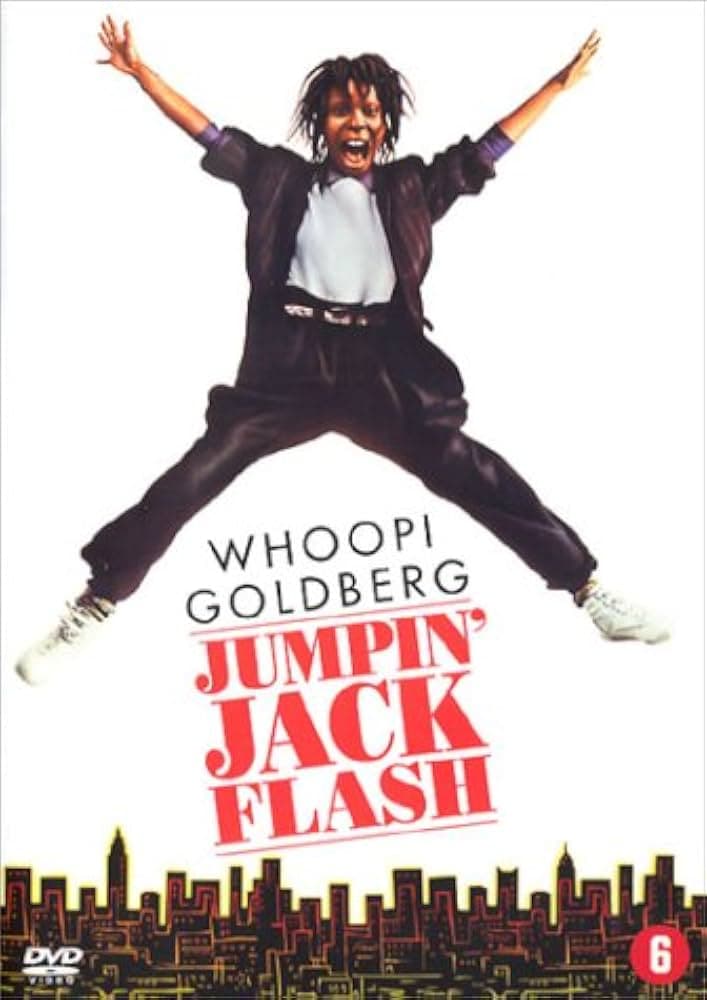
1986
Jumpin' Jack Flash
Jumpin' Jack Flash: our relationship with technology and freedom, and why this 1986 movie still matters.
Read our take →
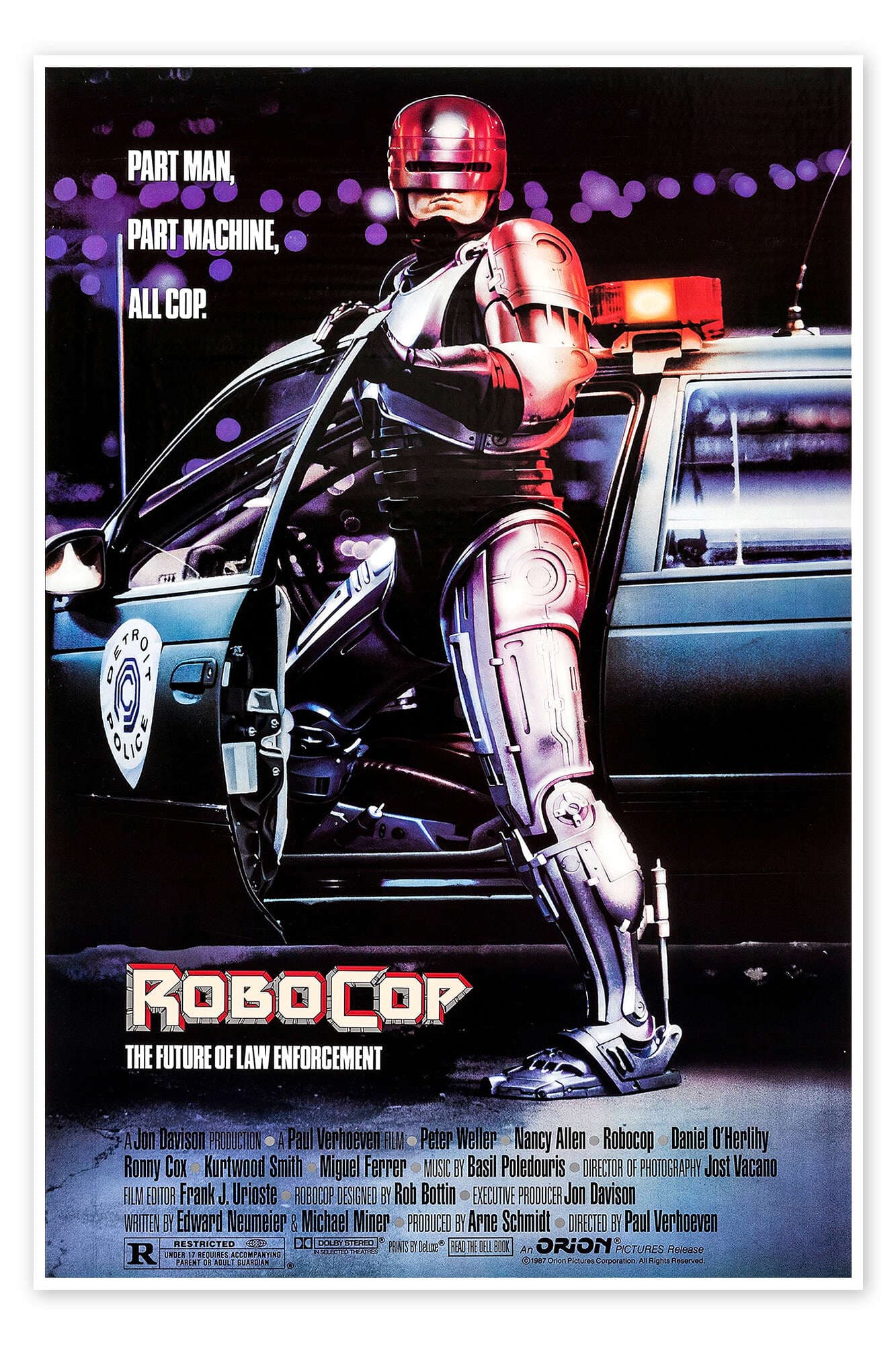
1987
RoboCop
A murdered cop rebuilt as a product — RoboCop still asks who gets to sell justice.
Read our take →
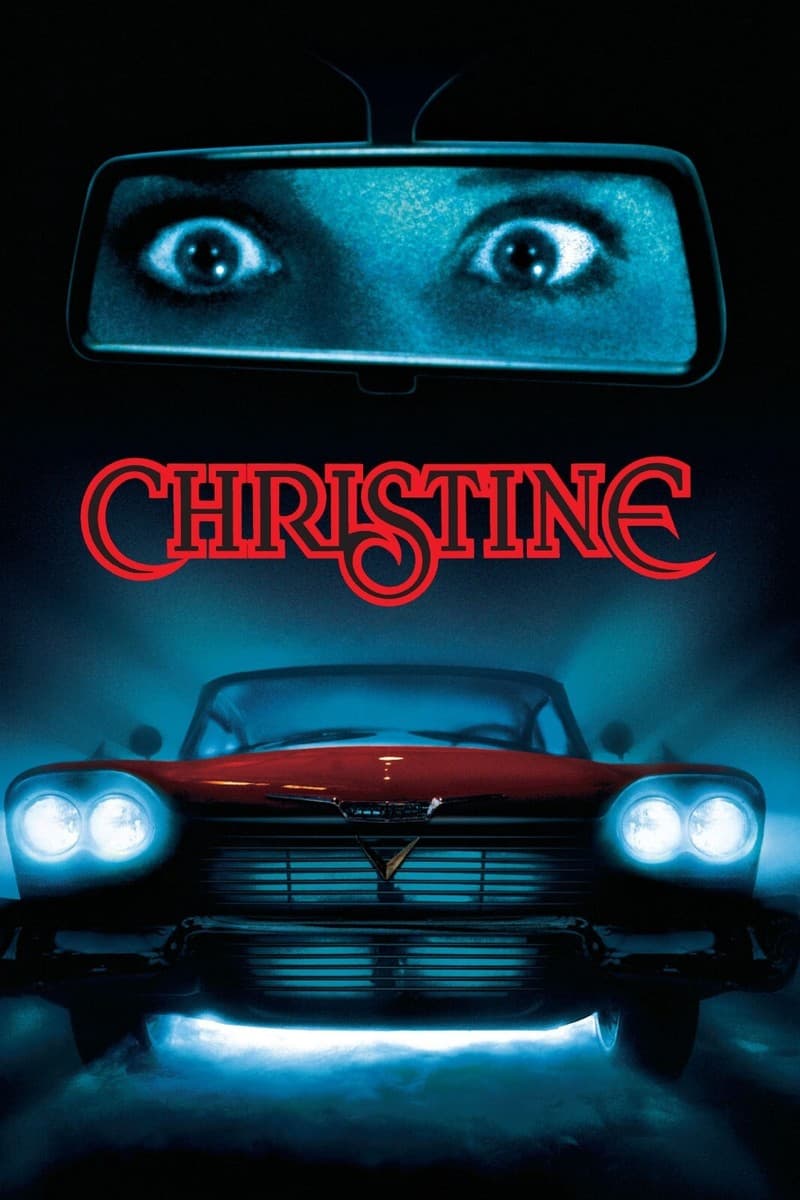
1983
Christine
Obsession, adolescence and a car that won't let go.
Read our take →