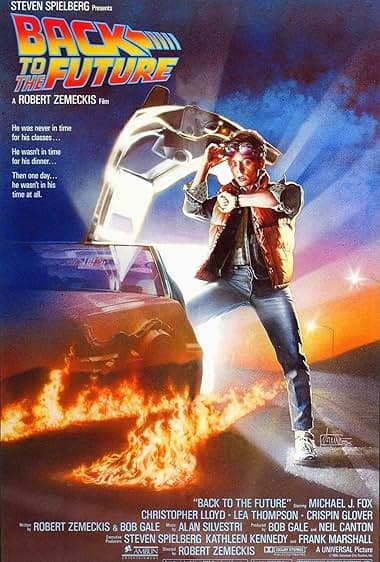
The setup
Back to the Future still feels like the film that talks fastest and laughs loudest — and it’s almost entirely because of Marty McFly: a kid who tumbles through time and discovers that who he becomes depends as much on family history as on fast cars. Revisit it and you’ll find a movie that dresses a teen coming-of-age in DeLorean chrome and makes the idea of fate fun.
THE MOVIE
Marty McFly is still the reason this movie works
Put Marty McFly at the centre and everything else lines up: a frantic, risk-taking teenager who gets shoved from 1985 into 1955 and has to keep his own future intact. That basic engine — a kid racing to preserve who he will be — is what turns a neat time-travel conceit into an emotional to-do list rather than a physics lecture.
Robert Zemeckis directs a clearly plotted ride that keeps the emphasis on people. The DeLorean and the flux capacitor are the shiny props, but it’s Marty’s impulse to fix his life that creates the movie’s ticking clock and moral push.
That mix of science-fiction set pieces and teenage questions — identity, family and whether you’re stuck with your parents’ past — is why people keep circling Back to the Future. It’s a summer blockbuster with an agenda: make someone you recognise, then see what happens when you hand them a time machine.
THE SETUP
The idea that sets Back to the Future in motion
At its simplest, the movie sends Marty back to 1955 after Doc Brown’s DeLorean reaches the required speed. From there the story keeps things tight: the time-travel rules are mechanical and clear, which gives the script a game to play rather than a mystery to handwave.
Those mechanics matter. The car needs a specific road speed and a very large electrical input to power the flux capacitor, which turns a midnight rescue into a logistics problem — you need power, timing and somebody on the other end of the line to pull it off.
The film turns two locations into its drama hubs: the town’s clock tower and the Enchantment Under the Sea dance. Locking the climax into that one set-piece concentrates suspense — and forces characters to work in the same room where their personal problems began.
A neat production footnote shows how carefully the movie was assembled: the lead was recast during filming, and earlier footage was reshot to make the pieces fit around the new Marty. That sense of reworking until the story’s gears mesh is built into the movie’s DNA.
THE CHARACTER
Why Marty McFly matters
Marty is the film’s action and conscience rolled into one: a restless teenager whose choices push the plot forward because he’s trying to keep the life he knows. That makes him an immediately understandable hero — you don’t need a philosophy degree to get why he’ll risk the past to protect his future.
He’s also the bridge between generations. The younger versions of his parents become the emotional problem he must solve; their relationship in 1955 is the very thing that decides whether Marty ends up where he came from. The personal stakes are literal — mess up their meeting and you erase yourself — and that keeps the spectacle tethered to a human worry.
Jennifer’s small role has a clear function: she anchors Marty to 1985. She’s the reminder of who he would be without all this interference, which is why getting back matters beyond the glamour of time travel.
Finally, the movie sets up family and generational influence as a theme through Marty’s predicament: he’s not only trying to return home, he’s trying to preserve a version of himself that was shaped by the people he grew up around.
UNDER THE SURFACE
Back to the Future has more on its mind than the plot suggests
Time travel here is a device for asking who you are when the people who made you are rearranged. Sending Marty into his parents’ youth turns biography into improv: he has to act so their future — and therefore his — still exists.
That naturally foregrounds family and generational influence. The film keeps returning to the idea that our identities are partly inherited, and that changing a single moment in your parents’ lives can ripple out to who you become.
There’s also a tidy argument about fate versus free will. The mechanics of the story give you rules — a paradox to fix, a lightning strike to catch — but inside that framework the characters still make choices that shape outcomes.
Finally, the movie indulges a particular kind of nostalgia. It looks back at 1950s Americana and rock-and-roll culture in a way that asks whether the past is a comfortable myth or something you can learn from.
THE FILMMAKING
How Back to the Future was put together
The credits point to a production built for clarity. Dean Cundey is listed as director of photography and Lawrence G. Paull as production designer: names that suggest the film was assembled by a crew focused on getting the mechanics of each scene right so the story could breathe.
Robert Zemeckis directs with a visible agenda: keep the camera working for the plot and let the performances carry the exposition. The result is a movie that feels engineered to keep the audience oriented even when the timeline does peculiar things.
Sound and music play a prominent role in the film’s identity: the movie’s technical achievement in sound was recognised at the Academy Awards, where it won for sound effects editing and picked up nominations in other sound and music categories. Those honours underline how the film relied on craft to sell its big moments.
PRACTICAL EFFECTS
The effects work that gives Back to the Future its physical personality
The DeLorean isn’t just a prop; it’s a mechanical cast member. The production prepared multiple DeLoreans with external visual modifications and even flame jets for takeoff shots, which is why the car has a tactile presence rather than feeling like a pure idea.
Key sequences were achieved with hands-on methods: stunt driving, on-set rigging and a pole-and-cable arrangement were used during the clock-tower sequence to channel a lightning effect into the car. Those are physical solutions that keep the climax feeling immediate.
There’s also a wonderful bit of practical invention in the prop department: the on-car ‘Mr. Fusion’ device was based on a household coffee grinder. It’s the sort of small, domestic touch that gives the film’s technology a plausible, slightly DIY personality.
All of these choices make the time machine believable as something you could almost touch — which matters because the story asks you to accept that ordinary objects can change extraordinary lives.
PURE 80S
Back to the Future could not belong to any other decade
Released in July 1985, Back to the Future arrived during a mid-80s run of effects-driven, family-friendly studio blockbusters. It’s a product of that moment: big enough in spectacle to play wide, but careful enough in tone for families to bring teenagers to.
Part of its 1980s identity comes from how it treats the past. The movie’s depiction of 1950s small-town America and rock-and-roll culture participates in a wider trend of the decade: films that looked back at postwar America with curiosity and a gentle sentimental tilt.
That release timing mattered too — opening ahead of Independence Day weekend positioned it as a summer entertainment built to travel fast with audiences who wanted clever thrills and recognisable characters.
Put simply: the film fits the mid-80s industry model — mainstream, effects-capable and family-minded — while using that scale to ask intimate questions about a teenager’s future.
WATCHING IT NOW
What has aged — and what hasn't
The movie continues to draw retrospectives and anniversary editions, showing that people keep returning to it for reappraisal and enjoyment. That longevity says something about how the film has been curated after release.
As a teen movie with a clear family theme, much of its lasting appeal comes from the story beats that still read easily: the parents’ younger selves, the bully in town, the teenage promise of becoming someone different. Those narrative pieces aren’t tied to a fleeting trend; they’re recognisable human situations.
Some elements feel of their era, but the central concerns — whether you can change yourself and how much your upbringing determines you — remain straightforward and watchable. The film also kept its story open enough to spawn direct sequels that continued the same characters and timeline.
If you sit down with it now, you’re watching a film that has been repeatedly revisited and preserved on home formats, which makes it easy to see as both a period piece and a durable narrative about growing up.
THE LEGACY
Why Back to the Future still matters
The film’s craft was recognised where it counts: it won the Academy Award for Sound Effects Editing and picked up several other Academy nominations, including for screenplay and original song. Those nods show the industry took it seriously, as did audiences.
More tangibly, the movie launched a multi-film franchise and a wide array of licensed material, which is one obvious reason its characters and set pieces kept turning up in public conversation for years afterwards.
There’s also institutional recognition: in 2007, the film was selected for preservation by the United States Library of Congress as culturally, historically or aesthetically significant. That’s an explicit statement that the movie has enduring value beyond box-office tallies.
Finally, the American Film Institute included it on a list of top science-fiction films, which is another public marker of the film’s standing within its genre.
THE VERDICT
Does Back to the Future still hold up?
Yes — and the reason is simple: the film’s rules are specific enough to build tension, and its emotional stakes are compact enough to keep you interested. Marty is a clear engine for the plot, and the paradox he creates by interrupting his parents’ first meeting gives the story a personal urgency rather than abstract theory.
The mechanics are generous but tidy. The DeLorean must reach a set speed and receive a powerful electrical input; the climax depends on channelling a lightning strike into the car via the town clock tower. Those elements turn time travel into a problem you can root for someone to solve, not a puzzle to get lost inside.
It also helps that the film keeps the moral questions straightforward. You watch a teenager try to preserve his life, watch him face the consequences of interfering, and watch family history rearrange the map of who he will become. The central moral and emotional stakes are easy to follow, and that clarity is why the film still plays.
If you haven’t seen it, or it’s been a while, watch it for the setup: a risk-taking teen, an eccentric inventor and a clock tower that forces everyone’s hand. The DeLorean is the plot device, the parents are the emotional heart, and Marty is the reason you care. In short — it still works because it gives you something specific to worry about and someone you want to see through it.
Share this movie
Keep watching
More movies from the 80s
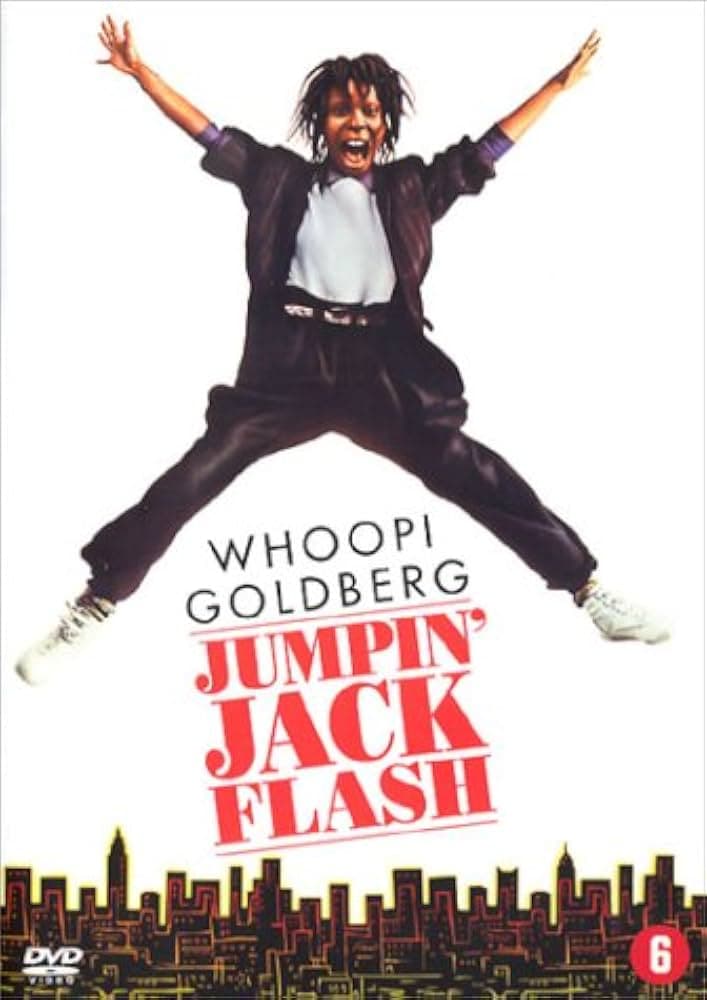
1986
Jumpin' Jack Flash
Jumpin' Jack Flash: our relationship with technology and freedom, and why this 1986 movie still matters.
Read our take →
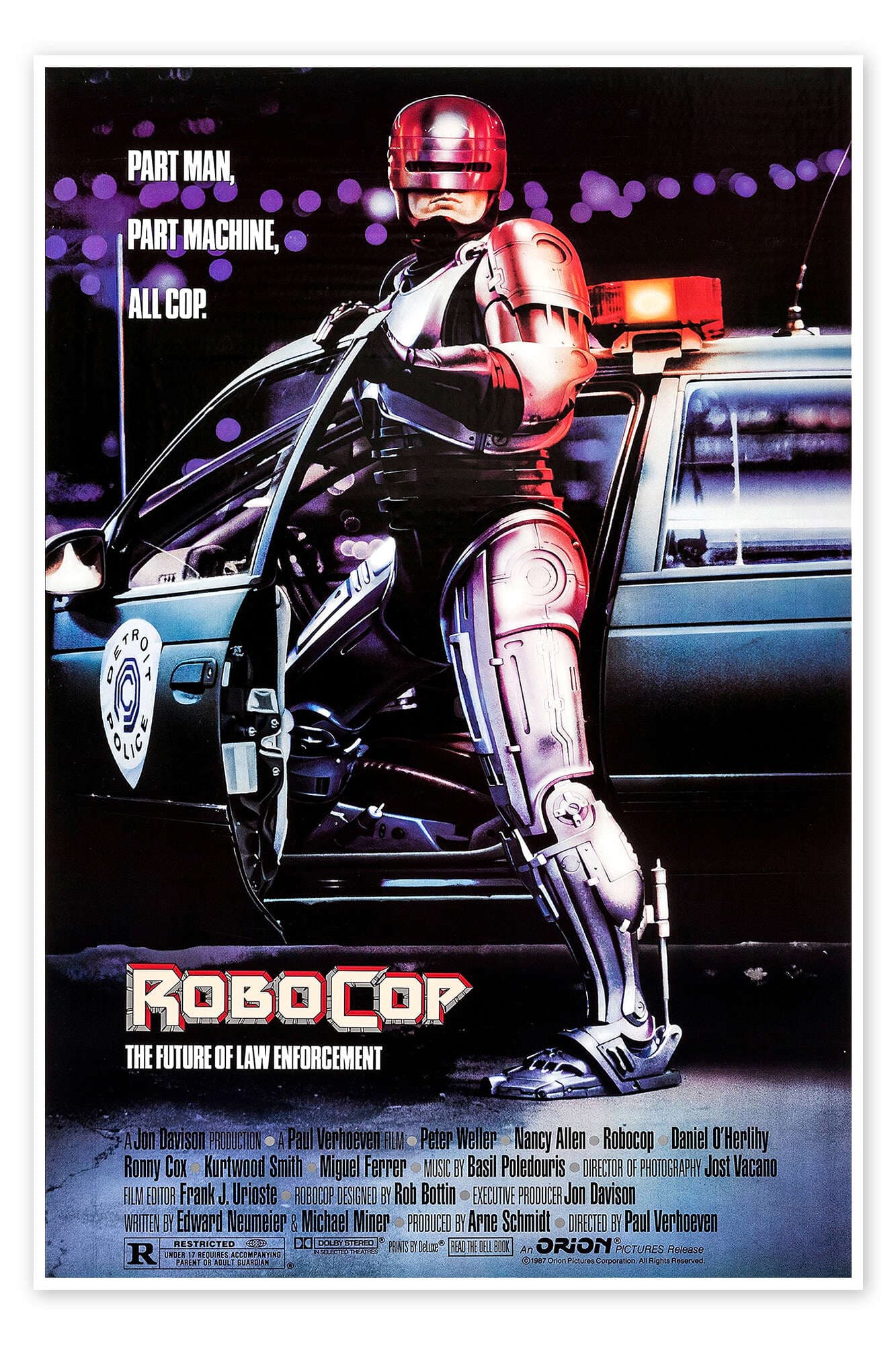
1987
RoboCop
A murdered cop rebuilt as a product — RoboCop still asks who gets to sell justice.
Read our take →
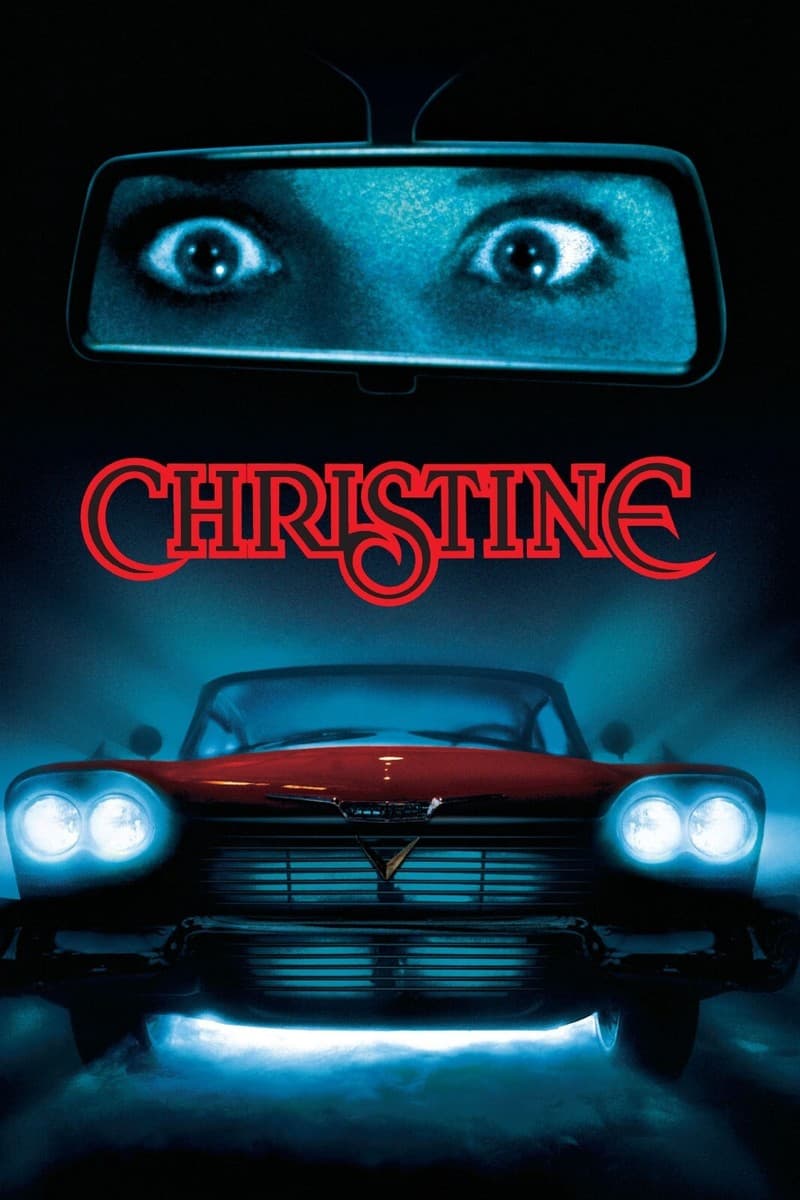
1983
Christine
Obsession, adolescence and a car that won't let go.
Read our take →